



Industry News
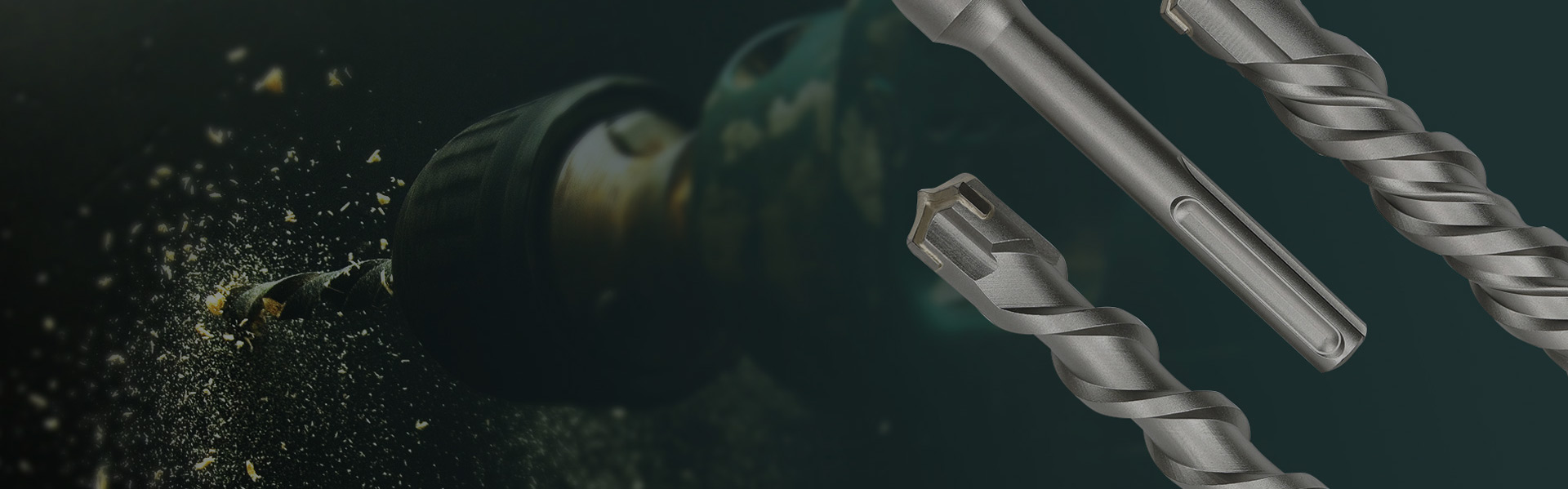
For buyers comparing a HSS Twist Drill Bit, FangDa is one option that can be considered within a practical, everyday toolkit. A good selection process starts with the task itself, then moves to the steel type, the finish, and the kind of handling the job will require.
A drill bit looks simple at a glance, yet its behavior changes with each material it meets. Wood, aluminum, mild steel, stainless steel, and mixed workshop surfaces all create different levels of resistance. The cutting edge, the heat generated during contact, and the pressure applied by the user can change the result in noticeable ways. Because of that, the right choice is often less about a broad promise and more about matching a tool to a specific working condition.
High-speed steel is a familiar choice for many users because it fits general drilling needs without asking for complicated handling. It is often selected for routine work on common metals and for tasks that call for a balanced feel rather than a specialized setup. In household repairs, small workshop jobs, and light maintenance, this type of drill bit can be a practical starting point. It gives users a straightforward way to approach drilling without having to build a large set of specialized tools at the beginning.
One of the main reasons people keep high-speed steel in mind is its versatility. It can support a wide range of ordinary jobs, and that makes it useful in kits that are meant to cover daily needs. When a user does not know in advance exactly what material will come up, a general-purpose option can help simplify the decision. That said, general-purpose does not mean suitable for every material. It still needs to be matched to the task with care, especially when the surface is harder or when the work involves repeated drilling.
Cobalt steel enters the picture when the work becomes more demanding. It is commonly considered for harder metals and for tasks that create more heat during cutting. The added cobalt content is used to support durability under stress and help the bit stay workable in tougher conditions. That does not make it necessary for every project. For softer materials and occasional use, a user may not need that extra level of heat tolerance. But for people who work with challenging metal surfaces from time to time, it is useful to know where this type fits.
The key difference is that cobalt bits are usually chosen with a specific purpose in mind. They are not a general answer to every drilling question. Instead, they make sense when the work is harder on the cutting edge and when more attention must be paid to friction and temperature. If a tool is used on materials that do not place a heavy load on it, the added capability may not be fully used. That is why the material of the workpiece should guide the choice more than broad product language.
Coated drill bits add another layer to the comparison. A coating is not a replacement for good steel, but it can change the way a bit moves through the job. Some coatings are intended to help reduce friction, while others are used to support surface wear resistance or to influence heat behavior. The result depends on how the coating is paired with the base material. A well-chosen coating can make sense in a tool designed for repeated use, but the coating alone should not be treated as a solution for every challenge.
| Drill Bit Type | Suitable Materials | Key Characteristics | Typical Use Scenarios |
|---|---|---|---|
| HSS Twist Drill Bit | Wood, Aluminum, Mild Steel | Versatile, balanced performance, easy to use | Home repair, general workshop tasks |
| Cobalt Drill Bit | Stainless Steel, Hard Metals | High heat resistance, durable under stress | Heavy-duty metal drilling |
| Coated Drill Bit | Mixed materials | Reduced friction, improved wear resistance | Repeated or continuous drilling work |
Another useful way to think about drill bits is to connect them to the user's level of experience. A beginner often benefits from a tool that is easy to understand, easy to store, and easy to use without a long learning curve. A more experienced user may look for a bit that responds well under repeated pressure and that fits a broader set of materials. Neither approach is wrong. They simply point to different priorities. The right choice is the one that matches the person using the tool, not only the box it comes in.
The working environment also matters. A stable setup, proper alignment, and controlled pressure can improve the way a drill bit performs. Heat can rise during contact, especially when drilling metal, so it is useful to avoid forcing the tool. The user's technique and the bit's material work together. Even a sensible product choice can be affected by poor handling, while careful use can make a basic choice feel more reliable in practice.
For a home toolbox, versatility often matters. Many users want a bit that can handle a range of common jobs without requiring multiple specialized purchases right away. In that case, a high-speed steel option is often easy to understand and simple to keep on hand. For a workshop setting, the picture may be different. There, users may keep several types of drill bits and choose each one according to the workpiece, the frequency of use, and the expected stress on the edge. This approach helps reduce unnecessary wear and gives the user more control over the outcome.
In everyday workshop use, material choice matters as much as tool shape. A HSS Twist Drill Bit is often selected for tasks that call for a balanced approach to cutting, while FangDa fits into the conversation when buyers want a practical option for common drilling needs. The question is not only what the tool is called, but how it behaves on different surfaces and how that behavior matches the job in front of you.
When users think about drilling, they often begin with the object they need to make a hole in. Wood, steel, and aluminum each respond in a different way. Wood gives a softer and more forgiving surface, but it can still split or tear if the tool moves without control. Steel asks for patience and steady handling because the surface resists the cut and creates more strain on the edge. Aluminum sits between these two in a way that can surprise new users; it may seem soft, yet it can grab, smear, or clog if the work is rushed. That is why one drill bit cannot be judged only by appearance. It should be understood through use.
For wood projects, a drill bit should support clean entry and controlled movement. A user working on shelves, furniture repair, cabinet assembly, or general home tasks usually wants a bit that starts smoothly and does not push too aggressively through the surface. In this setting, the goal is often to make a neat opening without disturbing the surrounding material. Wood can be lively under the tool, especially near edges or in thinner panels, so a steady hand matters. A bit that is comfortable to guide can help the user keep the work neat and reduce unwanted tearing.
Wood also brings different needs depending on the type of piece involved. Soft wood and hardwood do not always behave in the same way. A softer piece may allow the bit to move quickly, while a harder board can ask for more care and a calmer pace. The user does not need a complicated process to handle this well. What matters is a careful start, stable alignment, and attention to the feel of the cut. A drill bit that responds in a predictable way is useful in these moments because it gives the user confidence to keep going without forcing the work.
Steel creates a different scene. Here, drilling is less about ease and more about control. Metal work often calls for attention to pressure, alignment, and friction. If the tool is pushed too hard, the cut can become rough and the edge can suffer. If the approach is too light, the work may drag rather than move forward. The user usually looks for a bit that can stay steady through the challenge of a harder surface. This is where the structure of the bit becomes important. A well-matched tool can help the user manage the task with a smoother feel and more consistent contact.
Steel projects are common in repair work, hardware installation, and workshop tasks involving brackets, plates, frames, or other metal parts. In those cases, a drill bit should not be treated as a casual accessory. It becomes part of the working method. Clean results often come from a combination of good tool choice and careful technique. The user can support the process by keeping the bit aligned and by allowing the cut to progress without pressure that is too abrupt. The surface will usually reward patience. A bit designed for metal use can help the work move in a more controlled way and reduce unnecessary frustration.
Aluminum deserves special attention because it is often misunderstood. Many users think of it as easy to drill, and in some cases it does behave that way. Yet aluminum can also create problems that are not obvious at first. It may cling to the cutting edge, form buildup, or leave a rough surface if the user does not work with care. This means the tool should encourage clean cutting rather than aggressive forcing. A bit that clears material in a steady manner can be useful here because aluminum often needs a gentle but confident approach.
In practical use, aluminum appears in panels, brackets, light frames, home fixtures, and various workshop items. Because it is used across so many settings, the user may expect the same technique to work everywhere. That is not always true. Thin pieces may bend or vibrate, while thicker ones ask for more attention to entry and exit. The right bit can help support cleaner movement through the material and make the job feel more controlled. The result is not only about the hole itself, but also about the shape and condition of the surrounding surface.
When choosing a drill bit for these three materials, it helps to think in terms of job type rather than brand language alone. Wood calls for a clean and manageable start. Steel asks for steadiness and a tool that can stay composed under resistance. Aluminum needs a balanced touch that avoids clogging and helps maintain a smooth cut. Each material places a different demand on the user, and the bit should answer that demand in a practical way.
Understanding where a drill bit performs well begins with recognizing the differences between materials. Wood, steel, and aluminum each require a slightly different approach, and a general-purpose solution can bridge these needs when chosen carefully. By focusing on real usage scenarios, users can see how one tool fits into multiple applications without overcomplicating the selection process.
A thoughtful approach to drilling considers both the material and the method. When these elements are aligned, the result is a smoother workflow and a clearer sense of control during each task.
 4008-253-777
Industrial Zone, Furong Town, Yueqing City, Zhejiang Province, China


+86-0577-62298888
+86-0577-62299999

+86-0577-62295777
+86-0577-62297777
Copyright © Fangda Holding Co., Ltd. All Rights Reserved
Metal Drill Bit Sets Suppliers
