



Industry News
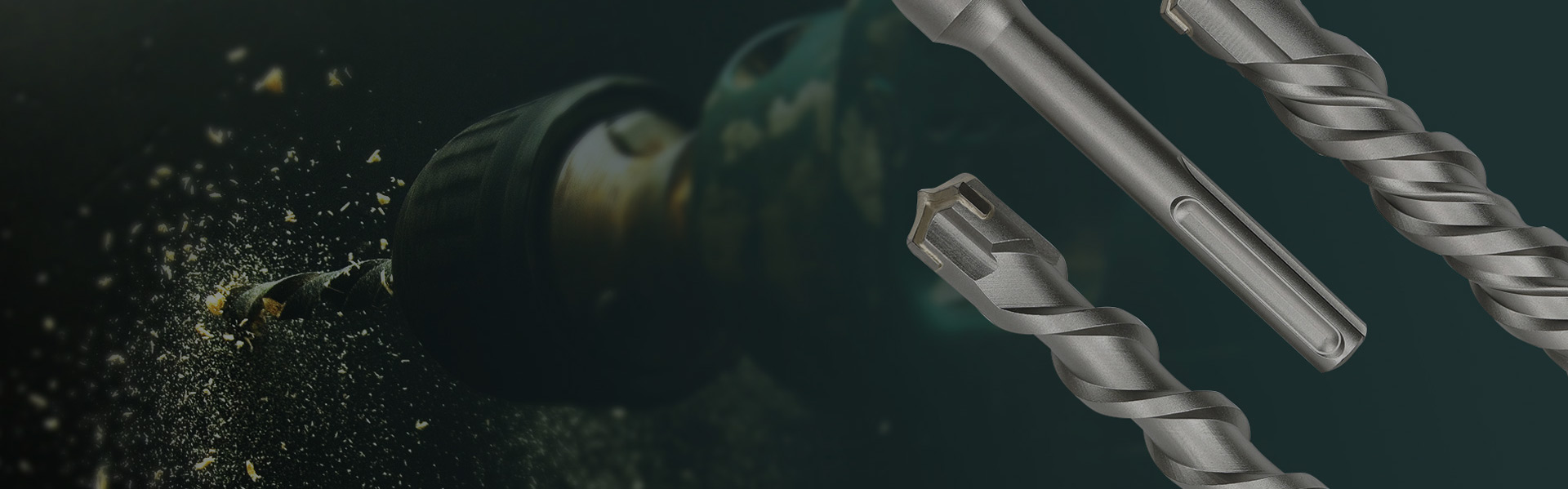
With the continuous growth of demand in construction, renovation, and industrial processing, efficient and durable drilling tools play an indispensable role on construction sites and in industrial production. The hammer drill bit, with its unique impact drilling capability and wear resistance, has become the preferred tool for drilling into hard materials. This article provides a comprehensive analysis of bits, covering their basic concepts, material characteristics, application scenarios, operating precautions, environmental adaptability, maintenance management, cost-effectiveness, and technological development trends, exploring their application value and future prospects in modern engineering.
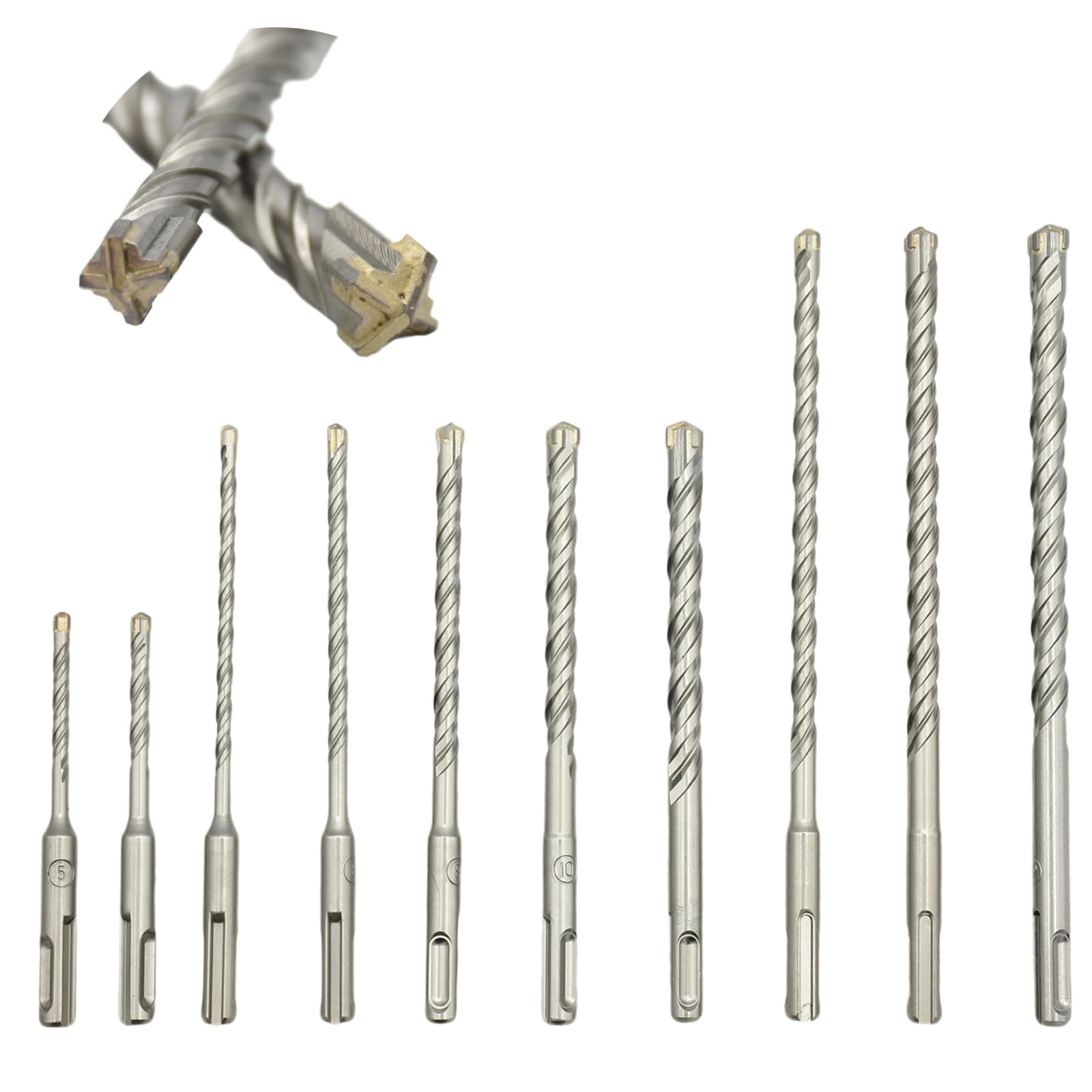
A Bit is specifically designed for use with rotary hammers or impact drills. Its core feature is the ability to deliver strong percussive force while rotating, allowing it to easily penetrate concrete, masonry, stone, and metal.
Compared with ordinary drill bits:
Enhanced impact force: Regular drill bits rely mainly on rotation, making them inefficient for hard materials. The impact mechanism of bits greatly improves drilling efficiency.
Superior wear resistance: The materials and structure of drill bits are reinforced to withstand high-speed friction and impact, extending service life.
Different application scenarios: Ordinary drill bits are mainly used for wood, light metals, or plastics, while drill bits are suitable for concrete, masonry, and reinforced concrete.
Bits are generally made from High-Speed Steel (HSS), Tungsten Carbide, and Carbide, each offering different hardness, wear resistance, toughness, and suitable applications:
| Material Type | Hardness | Wear Resistance | Toughness | Suitable Materials | Characteristics |
|---|---|---|---|---|---|
| High-Speed Steel (HSS) | Medium-High | Medium | Medium | Wood, light metals, plastics | Economical, suitable for low-hardness materials |
| Tungsten Carbide | High | High | Medium-High | Concrete, masonry, reinforced steel | Fast drilling, strong wear resistance |
| Carbide | Very High | Very High | High | High-strength concrete, stone | Extremely durable, suitable for industrial/high-strength scenarios |
As the table shows, the material choice directly affects drilling efficiency and service life. Projects should select drill bits based on the target material.
Due to the combined rotation and impact mechanism, drill bits perform differently depending on the material. Drilling efficiency, hole quality, and drill bit longevity vary with material hardness. Below is a detailed analysis by material type:
Hard concrete is one of the most common high-strength materials in construction and requires highly durable drill bits.
Drilling efficiency: Tungsten carbide or carbide hammer bits can penetrate concrete quickly due to combined rotational and impact forces, achieving faster drilling than ordinary bits.
Hole quality: Impact drilling reduces wall cracking and fragmentation, ensuring a clean, precise hole.
Precautions: For deeper holes, drill in stages to avoid overheating the bit or cracking the concrete.
Materials like bricks and sandstone are brittle and prone to localized breakage.
Drilling efficiency: Carbide or tungsten bits deliver precise impact force, maintaining stable drilling and preventing brick breakage.
Hole accuracy: Suitable for installing pipes or mounting brackets, ensuring correct positioning and dimensions.
Technique: Avoid tilting or excessive pressure; let the bit's impact do the work.
In metalworking, bits are used for drilling light metals or thin steel plates.
Drilling efficiency: HSS or coated bits can cut metal quickly while rotating, but impact mode should be carefully controlled to prevent chipping.
Hole quality: Using cutting fluid or lubricant reduces friction and heat, improving precision and surface finish.
Applications: Suitable for pipe installation, mechanical equipment, and steel structures, but not recommended for thick, high-hardness steel.
Modern construction often involves composite walls or layered materials, e.g., concrete + masonry, masonry + metal.
Drilling efficiency: Carbide composite bits maintain continuous drilling across different materials, reducing the need for frequent bit changes.
Hole uniformity: High-precision design ensures hole alignment across material boundaries.
Technique: Drill in stages or adjust impact frequency to prolong bit life and maintain hole quality.
| Material Type | Recommended Material | Drilling Efficiency | Hole Quality | Usage Notes |
|---|---|---|---|---|
| Hard Concrete | Tungsten / Carbide | High | High | Drill in stages to prevent overheating or cracking |
| Masonry Materials | Carbide | High | Medium-High | Control pressure, avoid tilt or breakage |
| Light Metal / Thin Steel | HSS / Coated Bits | High | High | Use lubricant, control impact mode |
| Multi-layer Composite | Carbide Composite Bits | High | High | Drill in stages, adjust impact frequency |
The performance of bits on different materials directly affects construction efficiency, hole precision, and bit lifespan. Choosing the right material and drilling method ensures high-efficiency drilling even in hard or complex materials, prolongs tool life, and reduces construction costs.
To ensure optimal drilling performance and prolong the life of a drill bit, the following operational precautions should be observed:
1.Proper Installation: Ensure the drill bit is securely mounted in the chuck of the hammer or impact drill. Loose installation can cause breakage.
2.Appropriate Speed Selection: Adjust the drill speed according to the material hardness. Hard materials require lower-speed impact drilling, as high-speed rotation may cause overheating.
3.Cooling and Lubrication: When drilling metals, use cutting fluid or lubricants to prevent overheating and excessive wear.
4.Moderate Pressure: Avoid applying excessive force. Rely on the drill bit's weight and impact force; too much pressure can damage the bit or the equipment.
5.Regular Inspection: For prolonged use, periodically check for wear and replace the bit as needed to maintain drilling accuracy.
Hammer drill bits must operate under high-temperature, high-load, and humid conditions in complex construction environments. Their performance under these conditions is as follows:
High Temperature: Continuous high-speed impact can generate heat. Wear-resistant materials and coatings reduce thermal damage.
High Load: Tungsten carbide or carbide bits maintain efficient drilling under continuous operation.
Humidity and Wet Conditions: Rust-resistant or coated bits can withstand humid or wet environments, preventing corrosion.
| Environmental Condition | HSS | Tungsten Carbide | Carbide |
|---|---|---|---|
| High Temperature | Medium | High | Very High |
| High Load | Medium | High | High |
| Humid / Wet | Medium | High | High |
Proper storage and maintenance significantly extend the lifespan of drill bits:
Storage: Keep in a dry, ventilated area to prevent moisture and corrosion.
Cleaning: Remove residual dust, concrete, or metal debris after use.
Coating Inspection: Regularly check the integrity of coated bits.
Replacement Cycle: Determine replacement frequency based on drilling frequency, material hardness, and hole depth. Replace immediately if wear or cracks appear.
Compared with ordinary drill bits, bits have the following advantages and disadvantages in construction and industrial applications:
| Evaluation Dimension | Advantages | Disadvantages |
|---|---|---|
| Drilling Efficiency | Percussive drilling quickly penetrates hard materials | Higher initial purchase cost |
| Wear Resistance | Tungsten and carbide materials are durable | High-load usage requires periodic replacement |
| Application Range | Suitable for concrete, masonry, and reinforced steel | May over-damage soft materials |
| Overall Cost-Effectiveness | Saves labor and time in high-value projects | Less cost-effective for small/light projects |
Hammer bits are particularly suitable for medium to large construction projects or high-intensity industrial applications, where their efficiency and durability provide clear advantages.
With the diversification of construction materials and the demand for higher drilling efficiency, drill bit technology continues to evolve:
Coating Technologies: Titanium, nitride, and other coatings improve wear resistance, heat resistance, and corrosion resistance.
Composite Drill Bits: Combining multiple high-strength materials balances hardness and toughness.
Smart Drilling Assistance: Sensors and automatic speed control enable more precise monitoring of the drilling process.
Sustainable Design: Regrindable or recyclable drill bit materials reduce cost and environmental impact.
Hammer drill bits, with their unique impact drilling capability, material versatility, and environmental adaptability, have become indispensable tools for modern construction and industrial drilling. From hard concrete to metal processing, their high-efficiency drilling and durability greatly enhance construction productivity and quality. With the development of coating technologies, composite materials, and intelligent drilling assistance, drill bits'application value will continue to grow, playing a central role in future engineering projects and industrial production.
 4008-253-777
Industrial Zone, Furong Town, Yueqing City, Zhejiang Province, China


+86-0577-62298888
+86-0577-62299999

+86-0577-62295777
+86-0577-62297777
Copyright © Fangda Holding Co., Ltd. All Rights Reserved
Metal Drill Bit Sets Suppliers
