



Industry News
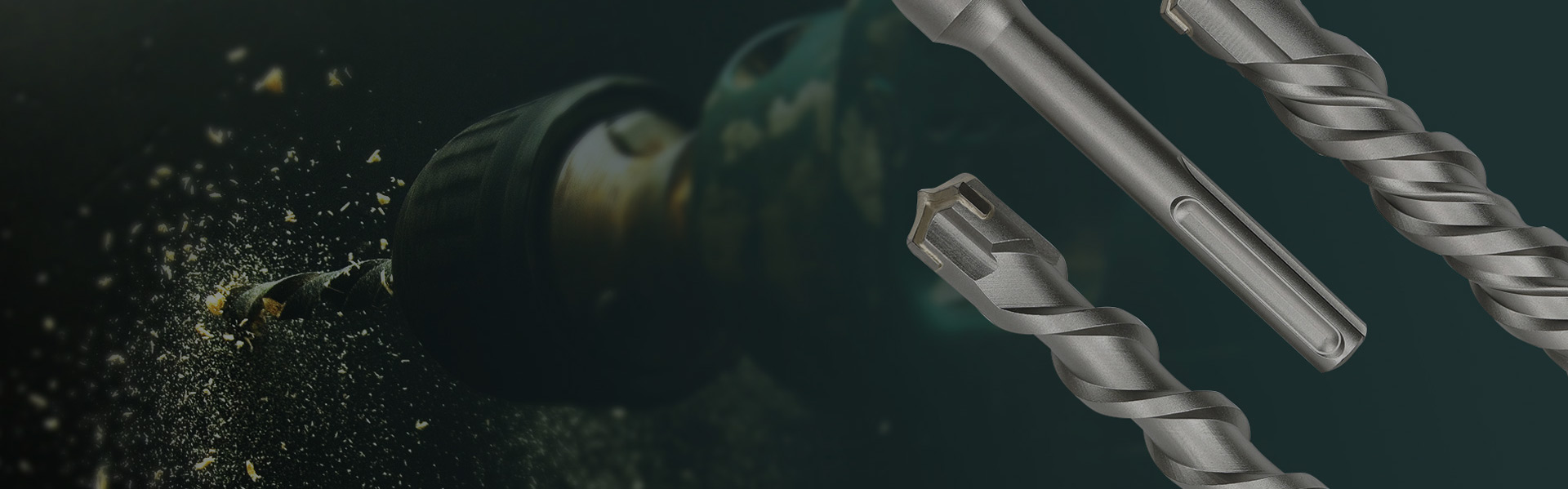
Choosing a drill bit for metal is not only about making a hole. It is also about matching the cutting tool to the material, the surface condition, and the working pace of the job. A bit that performs well on one metal may struggle on another, especially when the workpiece is hard, smooth, thin, or likely to heat up during drilling. For many workshops, repair tasks, and general fabrication jobs, a carefully made high-speed steel twist drill can serve as a flexible option for common metal materials.
When users ask which metals this type of tool suits, the answer is often found in the balance between material hardness and work stability. Some metals are soft and easy to cut, while others are tougher and need more controlled feed, stable clamping, and proper lubrication. The same drill can behave differently depending on the condition of the sheet, plate, pipe, or block being drilled. That is why selecting the right tool is part of the work process, not just a purchase decision.
Metal is not a single category. Each metal has its own resistance to cutting, heat behavior, and chip formation. Some materials create long chips that can wrap around the tool. Others produce fine chips and leave a cleaner path. Some surfaces are easy to start, while others allow the drill point to wander if the center is not marked properly.
In many ordinary drilling tasks, the tool is expected to cut through sheet metal, sections, brackets, and structural parts. When the material is not too hard and the operation is managed with proper speed and pressure, a general-purpose metal drill can do useful work. The important point is to avoid forcing the tool. Controlled pressure, steady alignment, and timely chip removal usually matter more than rushing through the task.
A good drilling routine also includes checking the workpiece thickness, the machine speed, and the hole size before starting. Thin sheets may catch or deform if unsupported. Thick plates may retain heat and slow the cut. Curved surfaces can cause the point to slip if the start position is not marked. These details shape the final result just as much as the tool itself.
Stainless steel is one of the more demanding materials in routine drilling work. Its surface can feel smooth, but the internal resistance during cutting is often higher than that of mild steel or aluminum. Heat builds quickly, and if the bit is allowed to rub instead of cut, the cutting edge can lose performance sooner than expected.
For this reason, stainless steel calls for a patient approach. The work should be fixed firmly so that vibration does not affect the hole. A center mark helps keep the point from drifting. The user should apply steady pressure rather than a fast push. Cooling or lubrication is often useful because it reduces friction and helps carry away heat from the cutting zone.
This type of metal is not the place for hurried work. It benefits from stable machine control and consistent feed. When the drilling is handled in this way, the tool can be used on many routine stainless steel tasks such as appliance parts, brackets, panels, and fabrication pieces. The key is to respect the material rather than try to overpower it.
If the stainless steel is especially thick or the hole is large, the job may need additional attention such as pilot drilling or a pause to clear chips. These small steps can help keep the cut cleaner and reduce stress on the tool and machine.
Aluminum is often easier to drill than many harder metals, but it has its own challenges. The material can be soft and sticky at the same time. Instead of breaking away cleanly, chips may cling to the cutting edge or pack into the flute if the drilling process is not managed well. That can affect hole quality and make the tool work harder than expected.
A twist-style drill is often useful on aluminum sheets, plates, housings, and frames because the cutting action is direct and the chip path is familiar. A sharp cutting edge and proper speed help the drill move through the metal with less resistance. However, soft metal should not be treated as a reason to hurry. Too much feed can pull the tool forward, leave a rough edge, or enlarge the hole more than planned.
Support under the workpiece matters here. Thin aluminum can bend or lift during drilling, especially if the piece is not fully clamped. A backup board or stable fixture helps prevent chatter and improves the entry and exit of the hole. For larger holes, a pilot hole may also help the tool stay on track.
Aluminum is common in brackets, machine covers, sign structures, frames, and general hardware parts. In such applications, this type of drill can offer a practical balance between ease of use and clean cutting when the operator keeps the movement steady and clears chips as needed.
Iron plate is one of the most familiar drilling materials in workshops and construction-related jobs. It is widely used, and it appears in many thicknesses and surface conditions. In ordinary fabrication work, a twist drill often has a clear place here because the material is consistent and the cutting path is straightforward when the setup is correct.
For iron plate, the main concerns are alignment, clamping, and hole accuracy. If the plate moves even slightly, the drill point may wander or the edge may become uneven. Marking the center and making a steady start are useful habits. Once the tool has entered the surface, consistent pressure usually helps the hole progress with less interruption.
This material is common in brackets, mounting plates, machine frames, guards, and repair panels. The drilling task may be simple, but the quality still depends on care. Thin iron sheet can tear if the bit is too aggressive. Thicker plate can heat up and slow the process if chips are not removed. In both cases, controlled movement makes a noticeable difference.
One reason this kind of drill is widely used on iron plate is that the material often presents a balanced drilling condition. It is not as soft as aluminum, and it is usually less demanding than hard stainless steel. That makes it a practical choice for everyday maintenance, assembly, and shop fabrication.
Copper is another material that many users ask about. It is soft, conductive, and easy to mark, but that does not mean drilling is always simple. Because copper can deform under pressure, the hole may lose shape if the feed is too heavy. The material can also grab the tool if the start is not controlled.
A metal drill can be used on copper parts, rods, plates, and fittings when the operator works with a light hand and stable alignment. The cutting action should stay smooth rather than forceful. Sharp edges help reduce dragging, and a secure setup helps prevent the bit from slipping at the start.
Copper'softness means the user should pay attention to the exit side of the hole as well. If the workpiece is thin, the material may lift or bend near breakthrough. Support from underneath can help preserve the shape. When working on copper components, clean entry and measured pressure usually matter more than speed.
Because copper often appears in electrical parts, fittings, and custom shop work, a dependable drill can be useful across many small tasks. The aim is not only to make the hole, but also to keep the surface and edge in usable condition.
Although different metals respond in different ways, several habits support better results across the board. The first is secure clamping. A moving workpiece is one of the most common reasons for inaccurate holes. The second is proper center marking. A marked start point helps the bit enter with less wandering. The third is reasonable speed. Too much speed generates heat, while too little speed may cause rubbing instead of cutting.
Lubrication can also help in many metal-drilling scenes, especially where heat or chip buildup is a concern. The choice of lubricant depends on the material and the machine setup, but the general idea is the same: lower friction, better chip flow, and more stable cutting.
Hole size matters too. Smaller holes may drill smoothly with less stress, while larger holes often benefit from pilot steps. This is especially helpful in tougher materials or thicker plates. By adjusting the method to the task, the user can improve hole quality and reduce the chance of unnecessary wear.
It is also wise to inspect the tool before use. A worn cutting edge can affect the start point, the hole wall, and the amount of heat generated during drilling. Replacing or maintaining the tool at the right time is part of normal workshop discipline.
| Metal Material | Drilling Characteristics | Key Considerations | Typical Applications |
|---|---|---|---|
| Stainless Steel | Higher resistance, heat builds quickly | Use steady pressure, apply lubrication, avoid excessive speed | Kitchen equipment, industrial panels, structural parts |
| Aluminum | Soft but may stick to the tool | Control chip removal, avoid overfeeding, ensure support | Frames, housings, lightweight structures |
| Iron Plate | Stable cutting behavior | Secure clamping, accurate positioning, consistent feed | Brackets, mounting plates, machinery parts |
| Copper | Soft and ductile, may deform | Apply light pressure, support exit side, maintain alignment | Electrical components, fittings, custom parts |
For users who work with common metals on a regular basis, FangDa offers a practical drilling option that can fit many everyday needs. The tool is suitable for a range of familiar materials when used with the right speed, pressure, and workholding method. Stainless steel may need more care, aluminum may need attention to chip flow, iron plate may call for firm alignment, and copper may require light, controlled pressure. In each case, the result depends on how the tool and material are matched.
That is why this type of drill is often valued in workshops, maintenance rooms, and fabrication settings. It is not about chasing dramatic claims. It is about having a reliable cutting tool that can respond to ordinary metal-drilling tasks with sensible handling and consistent technique.
Metal drilling becomes easier to manage when the tool is matched to the material. Stainless steel asks for patience and cooling. Aluminum needs clear chip removal and stable support. Iron plate benefits from steady alignment and controlled feed. Copper calls for light pressure and careful breakthrough. Across these common scenes, a well-made general metal drill can play a useful role in daily work.
For users looking for a practical drilling solution for routine metal materials, this type of tool can serve as a familiar part of the workshop process. With proper setup and careful handling, it supports clean, stable drilling across many common applications without unnecessary complexity.
 4008-253-777
Industrial Zone, Furong Town, Yueqing City, Zhejiang Province, China


+86-0577-62298888
+86-0577-62299999

+86-0577-62295777
+86-0577-62297777
Copyright © Fangda Holding Co., Ltd. All Rights Reserved
Metal Drill Bit Sets Suppliers
