



Industry News
Home / News / Industry News / What Safety Precautions Should Be Taken When Using Wood Cutting Saw Blade
Wood cutting saw blades are common tools in woodworking shops, construction sites, and furniture production areas. They are designed to cut through different wood materials with speed and consistency. At the same time, their fast rotation and direct contact with solid material mean that safety needs to be part of every step, not something considered only after problems appear.
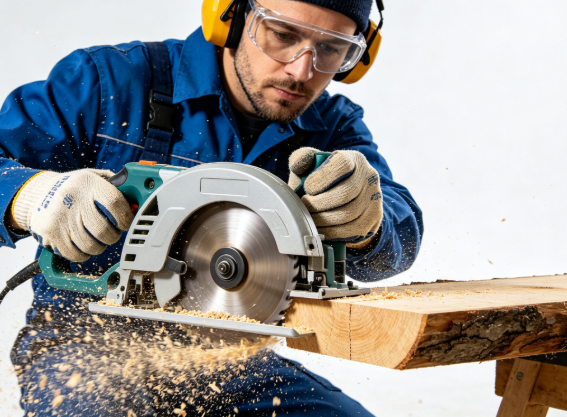
In real work environments, many issues do not come from the tool itself, but from small habits that are easy to ignore during routine tasks. A stable working method, proper preparation, and awareness of surroundings all contribute to safer cutting work.
A wood cutting saw blade works by rotating at high speed and directly engaging with the material. This creates strong cutting force, which is useful but also requires control. If the material shifts or the blade is not handled properly, the cutting path can change quickly.
Safety is not only about avoiding accidents. It also supports smoother operation. When movement is steady and predictable, cutting results are more consistent. In busy environments, where repeated tasks are common, maintaining focus becomes part of safe practice rather than an extra step.
Before cutting begins, a short inspection helps reduce unexpected problems. The blade surface should be checked for visible wear or damage. Even small irregularities can affect how the blade moves through material.
The material itself also needs attention. Loose or unstable wood can shift during cutting, which may affect control. A stable base or support helps keep everything in place.
Workspace condition matters as well. A clear area without unnecessary objects around the cutting zone allows smoother movement and reduces distraction during operation.
Handling plays a direct role in control. A steady grip and balanced movement help guide the blade through the material without sudden changes in direction. Applying uneven pressure may cause resistance or affect the cutting path.
Body position also matters. Standing too close or at an awkward angle can reduce visibility. A comfortable stance allows better awareness of both tool and material during operation.
It is also important to let the blade move naturally through the wood instead of forcing it. Controlled movement is more stable than speed-driven pressure.
A well-organized workspace helps reduce avoidable risks. The cutting area should be kept clear so that movement is not blocked. Good lighting also helps improve visibility, especially when working with detailed cuts or uneven materials.
Tools and cables should be placed in a way that does not interfere with motion. Even small obstacles can affect balance during operation. In busy environments, maintaining order in the workspace often makes a noticeable difference in safety and efficiency.
Material stability is one of the most important factors during cutting. If the wood is not fixed properly, it may move during operation. This movement can affect cutting direction and create uneven resistance.
Using proper support helps keep the material steady. Different wood types behave differently, so attention is needed depending on density and surface condition. Softer wood may shift more easily, while harder wood may require stronger holding support.
Protective equipment adds an extra layer of safety during cutting tasks. It does not replace proper handling, but it helps reduce exposure to dust, debris, and accidental contact.
| Safety Equipment | Function in Use |
|---|---|
| Eye protection | Helps reduce exposure to flying dust |
| Hand protection | Supports grip and reduces contact |
| Ear protection | Useful in noisy work environments |
| Dust control tools | Helps improve air quality |
| Protective clothing | Reduces surface exposure |
Each item plays a small role, but together they help create a safer working environment.
Cutting technique has a direct effect on control. Smooth and steady movement helps maintain a stable cutting line. Sudden force changes can affect balance and increase resistance.
A small but important point is patience during cutting. Letting the blade pass through material at a natural pace helps avoid unnecessary stress on both tool and operator.
Some habits increase risk during use. Cutting unstable material without support is one of them. Movement during cutting can easily affect direction.
Interrupting the cut suddenly is another point to avoid. It may disturb balance and create uneven edges. Also, using a worn or damaged blade can reduce control and increase resistance during operation.
Distractions in the working area should also be minimized. Focus plays a major role in maintaining safe handling.
A worn blade does not only reduce cutting quality. It also changes how the tool behaves during use. Small edge damage can create uneven resistance, which affects stability during cutting. This is why checking blade condition before work is not just maintenance, but part of safe operation. A stable blade helps maintain predictable movement through material, especially during longer cutting tasks.
Cutting direction is closely linked to safety because it affects how force is distributed during operation. When movement is controlled and steady, pressure remains balanced across the blade. If direction changes suddenly or pressure becomes uneven, resistance can increase quickly. This may cause loss of control. A consistent cutting path helps keep both the material and tool stable throughout the process.
Maintenance helps keep the blade in stable working condition. Cleaning after use removes dust and residue that may affect performance. Regular inspection helps identify early signs of wear before they become a problem during cutting.
Proper storage is also important. Keeping the blade in a dry and protected space helps maintain its condition over time. These small habits contribute to more reliable and safer operation in daily work.
Wood cutting saw blades are widely used in many working environments, and their safe operation depends on both preparation and handling. Stable material setup, controlled movement, regular inspection, and simple work habits all contribute to safer cutting performance in everyday tasks.
 4008-253-777
Industrial Zone, Furong Town, Yueqing City, Zhejiang Province, China


+86-0577-62298888
+86-0577-62299999

+86-0577-62295777
+86-0577-62297777
Copyright © Fangda Holding Co., Ltd. All Rights Reserved
Metal Drill Bit Sets Suppliers
