



Industry News
Door moulding is more than a finishing detail around a doorway. It can influence how a room feels, how a door connects with surrounding walls, and how different wood elements work together. A simple profile can create a quiet appearance, while a shaped profile can add depth and character.
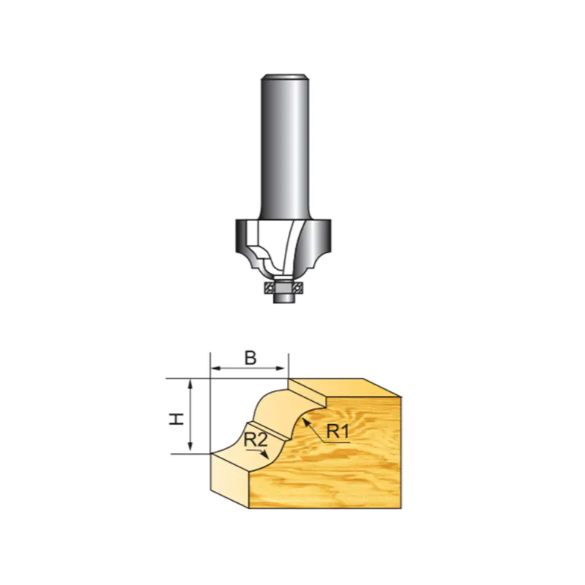
Behind many of these profiles is a woodworking tool designed to shape edges and surfaces. Door moulding router bits are commonly used when woodworkers need to create decorative or functional shapes along door trim. They can be used in custom woodworking, renovation work, furniture-related projects, and interior finishing.
The growing interest in personalized interiors has also created more room for custom trim designs. Instead of using the same appearance throughout every project, woodworkers can adjust the shape of the molding to suit the room.
Understanding where router bits are commonly used can make it easier to connect the tool with practical woodworking tasks.
Router bits are used to shape wood surfaces into specific profiles. The cutting form of the bit determines the appearance of the finished edge or section.
A flat piece of wood can be transformed into a more detailed trim component. The edge may become rounded. A section may be recessed. Another area may be raised. Several shapes can also be combined to create a layered appearance.
These changes are useful because door trim does not have a single standard style.
Some projects call for clean and simple lines. Others need decorative details that match traditional interiors. Renovation work may require a profile that resembles existing trim.
Router bits give woodworkers a way to create these differences directly from suitable pieces of wood.
The tool is therefore closely connected with both design and practical woodworking. The intended profile needs to be considered before the cutting process begins.
Router bits can appear in several areas of woodworking. Their use is not limited to one type of door or one interior style.
1. Door Casings
Door casings are one of the most familiar applications.
The casing surrounds the door opening and creates a transition between the door frame and the wall. A shaped edge can give this area more visual definition.
Simple casings may use a modest profile. More decorative projects can include curved or raised sections.
Because casing is highly visible, the profile needs to fit the overall interior design. A heavily shaped casing may suit a decorative room, while a simple edge may work better in a modern space.
2. Door Frames
Door frames can also benefit from shaped wood components.
The frame provides structural support around the door, but visible sections may also contribute to the appearance of the room. A router bit can help create an edge or decorative transition on suitable wooden frame components.
This is especially useful when a project requires more than a plain rectangular surface.
3. Decorative Door Trim
Decorative trim provides another common application.
Woodworkers may create molding with curved edges, raised sections, recessed lines, or layered shapes. These details can make the area around a door appear more distinctive.
The purpose is not always to add a complex pattern. Sometimes a small change along an edge is enough to create a noticeable difference.
4. Custom Interior Woodwork
Custom woodworking often involves unusual dimensions or design preferences.
A customer may want door trim that matches cabinets, wall panels, furniture, or other wooden features. A standard profile may not provide the desired appearance.
In such cases, router bits can support the creation of a custom shape from suitable material.
5. Renovation Projects
Renovation work presents a different challenge.
Older homes and buildings may contain door trim with a particular shape that is difficult to replace with a generic product. A woodworker may need to reproduce or adapt an existing profile.
Router-based shaping can provide more flexibility when matching replacement pieces with surrounding trim.
This makes profile cutting useful when visual consistency matters.
Custom door trim begins with the desired appearance.
A woodworker may start with a basic piece of wood and decide how its visible surfaces should be shaped. The profile can then be planned around the door opening and the surrounding interior.
A single piece of trim may contain several visual sections.
| Profile Feature | Visual Effect | Typical Application |
|---|---|---|
| Flat surface | Clean and simple | Modern door trim |
| Rounded edge | Softer appearance | Casual interiors |
| Recessed section | Creates visual depth | Decorative molding |
| Raised detail | Stronger visual outline | Traditional trim |
| Layered profile | Adds several levels | Detailed door surrounds |
This flexibility is useful for custom work.
For example, a woodworker may create a broad flat section near the center of the casing. A curved edge can then soften the transition toward the outside. Another recessed line can separate the two areas.
The finished piece can look much more detailed than the original block of wood.
The process also allows designers to keep several pieces visually related. Different sections of a doorway can use similar curves or edge details. This creates a more consistent appearance without making every component identical.
Router bits are useful in projects where the appearance of the wood matters as much as its basic function.
Custom homes are one example. A homeowner may want the doors to reflect the style of the rest of the interior. Matching trim can help connect the door with nearby cabinets, flooring, or wall details.
Renovation projects are another area.
When an existing piece of molding is damaged, simply replacing it with a different profile can make the repair noticeable. Creating a matching or closely related piece may provide a more consistent result.
Furniture and interior woodworking can also involve door molding.
Some workshops produce coordinated wood components for doors, cabinets, wall panels, and built-in features. A shared profile can help these elements look like part of the same design.
Small custom projects may also benefit.
A homeowner working on a single room may not need a large quantity of molding. The ability to shape suitable wood for a particular project can provide more design freedom.
These applications show why profile-cutting tools remain relevant even when many ready-made trim options are available.
Interior style has a strong influence on trim selection.
Modern spaces often use restrained shapes. Straight lines and gentle edges can complement simple walls and furniture.
Traditional interiors can accommodate more decorative details. Raised sections, curves, and layered profiles may work naturally with classic door designs.
Transitional spaces can use a balance between the two. The trim may have some shaping without becoming heavily decorative.
Rustic interiors often benefit from a more natural appearance. The profile can remain relatively modest so that the character of the wood remains visible.
Renovation projects have another requirement. The new trim may need to match what is already present.
| Interior Direction | Suitable Profile Approach |
|---|---|
| Modern | Simple lines and gentle edges |
| Traditional | Raised and decorative details |
| Transitional | Balanced curves and clear sections |
| Rustic | Natural surfaces with modest shaping |
| Renovation | Profile matched to existing trim |
These categories are not strict rules. Personal taste and the architecture of the space still matter.
The main point is that door molding does not need to look the same in every project. Router bits provide options for adjusting the shape according to the desired visual effect.
The wood itself has an important role in the final appearance.
Different types of wood have different grain patterns and surface characteristics. Some materials show natural variations clearly. Others provide a more uniform surface.
The profile should work with these characteristics.
A detailed molding may need material that can hold the shape clearly. A simple profile may place more attention on the natural appearance of the wood.
Grain direction also deserves attention. The direction of the grain can influence how the surface looks after shaping. Careful preparation can help reduce unwanted surface issues.
The condition of the material matters as well. Wood with cracks, uneven areas, or other defects may require additional preparation before it is shaped into visible trim.
Finishing changes the appearance too.
Paint can create a consistent surface and make the overall profile look more uniform. Stain or a clear finish can keep more of the natural wood character visible.
This means the router bit should not be considered separately from the material and finishing process. The desired appearance comes from the combination of these choices.
The choice should begin with the finished design rather than the tool itself.
A few practical questions can help guide the decision:
What style should the door have?
A modern doorway may need a simple profile. A traditional interior may allow more decorative shaping.
Does the trim need to match existing woodwork?
This is particularly important for renovation projects. A new profile should not look disconnected from nearby molding.
How much detail is appropriate?
More shaping does not always mean a better result. The profile should support the room rather than dominate it.
What material will be used?
The selected wood should be suitable for the intended shape and finish.
Will several pieces need to match?
If the project includes multiple sections of trim, consistency becomes important. The profile should be planned across the entire doorway.
How will the finished surface look?
Paint, stain, or a natural finish can affect how visible each part of the profile becomes.
These questions help connect the cutting tool with the actual needs of the project.
Large-scale production is not the only setting where profile-cutting tools have a role.
Small woodworking shops often handle custom requests. A customer may ask for a specific door surround or a replacement piece that is not readily available in a standard style.
Creating the profile in the workshop can provide greater flexibility.
A woodworker can work from a design sample, an existing piece of trim, or a new profile created for the project. This approach can be useful when the required shape is unusual or when several interior elements need to share a visual feature.
Custom work also creates opportunities for small changes.
A traditional profile can be simplified. A plain casing can receive a subtle curved edge. An existing design can be adapted to suit a different room.
Door moulding router bits support this kind of adjustment because the shape of the cutting tool is directly connected to the shape of the finished wood.
Their application therefore extends beyond basic door construction. They can be part of a broader woodworking process that includes design, renovation, interior finishing, and custom woodwork.
As demand for personalized interior details continues, the ability to shape door trim according to a specific design remains a practical part of woodworking.

 4008-253-777
Industrial Zone, Furong Town, Yueqing City, Zhejiang Province, China


+86-0577-62298888
+86-0577-62299999

+86-0577-62295777
+86-0577-62297777
Copyright © Fangda Holding Co., Ltd. All Rights Reserved
Metal Drill Bit Sets Suppliers
