



Industry News
Try cutting a clean, round hole through a steel plate with the wrong tool, and you'll quickly understand why hole saws built specifically for steel exist in the first place. Steel doesn't forgive sloppy technique the way softer materials do — push too hard with an underpowered blade and you get a ragged edge, excessive heat, or a tool that just gives out halfway through. That's exactly the gap steel plate hole saws are built to close.
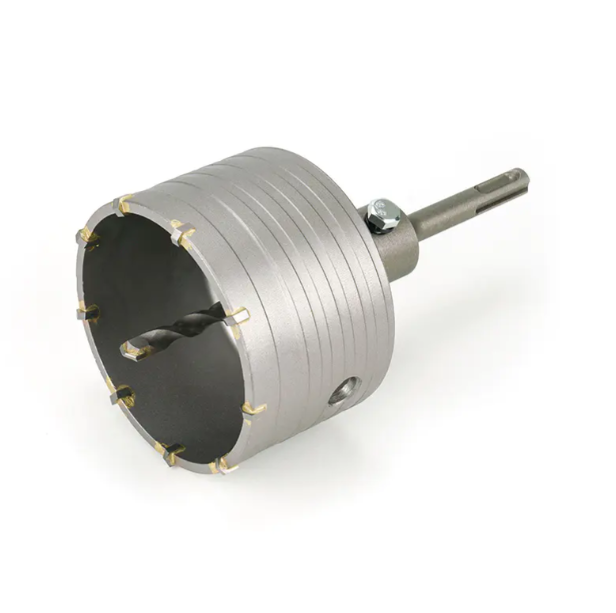
These tools have become a genuine staple across construction sites, manufacturing floors, maintenance shops, and fabrication workshops, largely because they turn what used to be a slow, finicky process into something workers can handle with real control and consistency. Whenever a project calls for a clean circular opening in steel — for wiring, piping, equipment mounts, structural connections — a good hole saw makes that task noticeably more manageable.
Knowing where and how these tools actually get used helps a lot when it comes to picking the right one for a specific job, since not every application demands the same features or specs. Here's a closer look at where steel plate hole saws show up most and what makes them worth reaching for.
Steel earns its place in countless structures and products because it's strong and durable — but that same toughness is exactly what makes cutting clean openings into it genuinely difficult without the right equipment.
Hole saws built for steel plate work are engineered to handle that resistance, giving workers a controlled way to cut circular openings for installation, assembly, or connection purposes without resorting to more complicated processing methods.
| Application Area | Common Usage |
|---|---|
| Construction projects | Creating openings for installation and assembly |
| Manufacturing processes | Supporting metal component preparation |
| Equipment maintenance | Helping with repair and replacement work |
| Workshop operations | Handling different metal cutting tasks |
| Fabrication projects | Preparing steel parts for further processing |
Picking the right tool really comes down to the material at hand, what the project actually needs, and the environment the work's happening in. Getting that match right upfront tends to save a lot of frustration down the line.
Steel structures are everywhere in construction, and a lot of them need additional openings cut in during installation — for connections, equipment mounting, or other build-specific requirements. That's where hole saws earn their keep on job sites.
Construction crews reach for these tools when working on structural components, support pieces, and general installation tasks. Being able to cut openings directly into steel on-site cuts out unnecessary processing steps and keeps projects flexible when plans shift mid-build.
They come in just as handy for renovation and repair work, where existing structures often need modification and workers need something portable enough to adapt to whatever the site throws at them.
Steel framework adjustments
Frameworks often need extra openings cut in when layouts change or new components get added partway through a project — hole saws make that kind of on-the-fly adjustment manageable.
Installation preparation
Wiring, piping, and equipment connections almost always need dedicated openings, and steel plate hole saws help prep exactly the right space for them.
Repair and upgrade projects
Older structures inevitably need work over time, and having a reliable cutting tool on hand makes those repair jobs a lot smoother to execute.
Manufacturing runs on precisely prepared components, and steel parts destined for machines, equipment, or finished products often need clean openings cut before assembly can even begin.
Hole Saw Cutter Supplier turn to hole saws during production prep, customization work, and ongoing maintenance — their flexibility fits naturally into workshops juggling multiple different projects rather than running one repetitive process all day.
Typical manufacturing uses include:
Not every job calls for heavy industrial processing equipment, either. Plenty of manufacturers deal regularly with small-batch or custom projects, and a good hole saw gives them exactly the kind of adaptable support those situations demand.
Maintenance work has a way of throwing unexpected problems at technicians, and having the right cutting tool on hand often makes the difference between a quick fix and a frustrating delay.
Steel plate hole saws work particularly well here because they support on-site repairs — technicians can cut openings directly into existing metal surfaces without hauling equipment somewhere else entirely.
| Maintenance Field | Application Example |
|---|---|
| Industrial equipment | Adjusting metal covers or components |
| Transportation equipment | Supporting repair-related modifications |
| Building facilities | Preparing openings during upgrades |
| Workshop tools | Handling replacement part preparation |
That portability really pays off when repair conditions keep shifting from job to job. Maintenance teams need tools flexible enough to handle whatever comes up, and hole saws deliver exactly that kind of adaptability.
Fabrication work revolves around shaping steel for custom purposes, which means flexibility isn't optional — it's basically the whole job.
Hole saws fit naturally into fabrication workshops, prepping steel plates for whatever structure or product a design calls for, particularly when openings are baked into the plan from the start.
Common fabrication applications include:
Fabrication demands real attention to detail, and a well-suited hole saw helps keep that cutting work organized and consistent throughout a project. Smaller and mid-sized fabrication shops especially benefit here — a good hole saw lets them handle varied customer requests without needing to invest in large, expensive processing systems for every job.
Steel's strength and versatility have made it a go-to material across a huge range of industries, and steel cutting tools have followed right along into all those different sectors.
Automotive and transportation
Vehicle-related work frequently involves metal components needing adjustment, repair, or custom processing — hole saws support a lot of that preparation work.
Energy and infrastructure
Infrastructure projects lean heavily on steel structures and equipment, and cutting tools help crews manage both installation and ongoing maintenance.
Agricultural equipment
Farm machinery often includes metal parts that need periodic repair or modification, and reliable cutting tools make that upkeep genuinely easier.
General industrial production
Factories and workshops working with steel components across various products find hole saws useful for both prep work and mid-process adjustments.
The sheer breadth of these applications says a lot — steel plate hole saws aren't a niche tool for one narrow field. Their real value comes from how well they adapt across such different metalworking environments.
Picking the right hole saw isn't something to rush through — different projects genuinely call for different tool characteristics, and getting the fit wrong costs time and money down the line.
Project purpose
Construction, manufacturing, and maintenance work all place different demands on a tool, and the intended application should drive the choice from the start.
Working environment
A controlled workshop setting and an exposed outdoor construction site come with pretty different practical requirements worth thinking through beforehand.
Material requirements
Steel plates vary quite a bit in form and thickness, and matching the tool to the actual material at hand makes a real difference in cutting efficiency.
Frequency of use
Someone handling occasional repairs has different needs than a shop running production cutting daily — usage frequency genuinely shapes what equipment makes sense.
Safety awareness
Metal cutting demands proper handling and safe working practices every time — cutting corners here isn't worth the risk, regardless of how routine the task feels.
Working through these factors carefully tends to lead users toward a tool that actually fits their real application, rather than one chosen based on price alone or general assumptions.
Metalworking keeps trending toward flexible, workflow-friendly solutions, and as construction, manufacturing, and maintenance needs continue evolving, practical cutting tools remain a genuine fixture of daily operations across all three.
Steel plate hole saws earn their staying power by combining real convenience with genuine adaptability — supporting everything from structural prep work to unplanned repair jobs, all without demanding a completely different setup for each new task.
Looking ahead, the metalworking environments that get the most value out of these tools will likely keep favoring options that support organized workflows, flexible applications, and genuinely practical day-to-day operation — exactly the qualities that have made steel plate hole saws so useful across such a wide range of industries already.

 4008-253-777
Industrial Zone, Furong Town, Yueqing City, Zhejiang Province, China


+86-0577-62298888
+86-0577-62299999

+86-0577-62295777
+86-0577-62297777
Copyright © Fangda Holding Co., Ltd. All Rights Reserved
Metal Drill Bit Sets Suppliers
