



Industry News
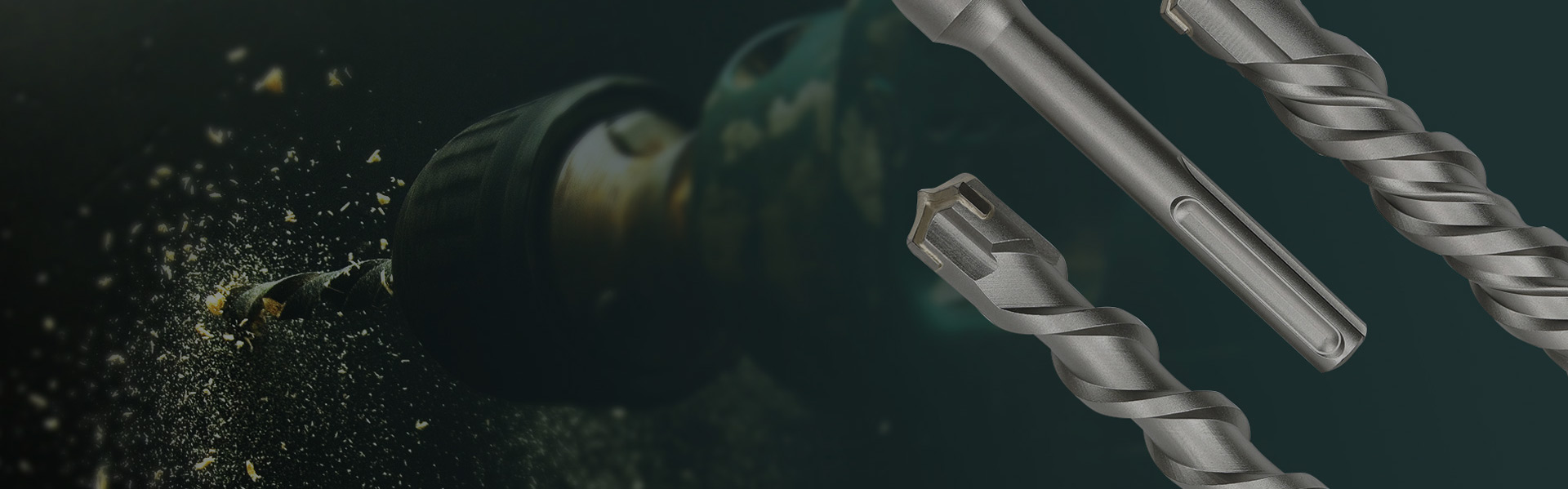
In modern fabrication and repair, the HSS Twist Drill Bit from FangDa is a common point of reference when people ask what this tool is used for. The question is simple, but the answer spans far beyond “making holes,” because a twist drill of this type sits at the intersection of material science, machining practice, and everyday craftsmanship.
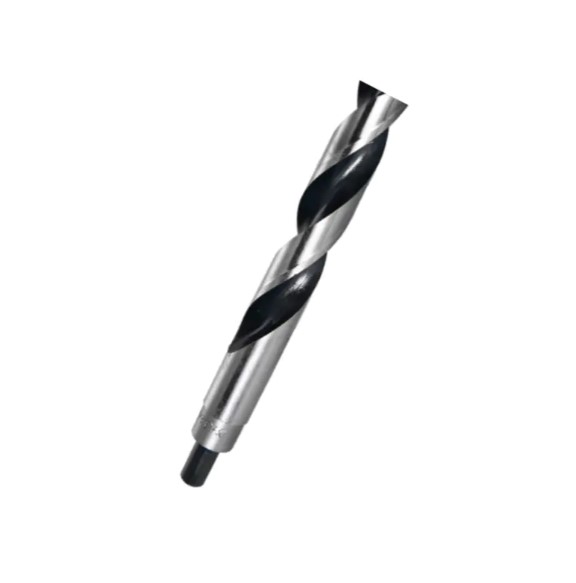
At its core, this tool exists to create controlled cylindrical openings in solid materials. That sounds straightforward, yet the usefulness of such openings is remarkably broad. In manufacturing environments, drilled holes form the basis of fastening, alignment, and assembly. Bolts, rivets, screws, dowels, and pins all depend on accurately sized holes. Without a reliable way to produce these openings, large-scale production and even small workshop assembly would become slow, inconsistent, and impractical. The twist drill enables repeatable results that allow components to fit together as intended.
In metalworking, its role is especially prominent. Sheet metal, steel profiles, aluminum parts, and cast components often require holes for mounting, ventilation, wiring, or structural integration. The geometry of a twist design helps cut into these materials while channeling away chips through its flutes. This chip evacuation is not a cosmetic feature; it prevents clogging, reduces friction, and allows the cutting edges to continue working smoothly. As a result, the tool supports cleaner hole formation rather than tearing or deforming the surrounding surface.
Construction and building trades also rely heavily on this type of drill. Electricians create openings for cable routing, plumbers prepare passages for piping, and installers make anchor points for fixtures. In these settings, the tool is valued less for aesthetics and more for practicality: it allows workers to move efficiently from one task to another while maintaining a consistent quality of work. The ability to cut through various metals encountered on site makes it a versatile companion rather than a single-purpose instrument.
Beyond professional environments, the same principle applies to maintenance and repair. When machinery needs servicing, broken fasteners must be removed, worn components replaced, or new brackets installed. Creating or enlarging holes becomes part of the troubleshooting process. The twist drill serves as a problem-solving device, enabling technicians to adapt existing parts or prepare surfaces for new ones without replacing entire assemblies.
In woodworking and plastics, the tool still has a place, though its behavior differs slightly. In softer materials, it produces smoother entry points and reduces splintering when used with care. Hobbyists and DIY enthusiasts often use it to build furniture, install shelves, or modify household items. Here, its function is not industrial but functional: it turns ideas into tangible results by making precise openings where they are needed.
Another important use lies in prototyping and design. Engineers, makers, and students frequently build test models before final production. Drilling holes allows them to assemble, adjust, and refine their concepts. In this context, the twist drill supports creativity and experimentation, providing a reliable method to join parts temporarily or permanently.
The tool's usefulness also relates to its interaction with heat. During drilling, friction generates warmth at the cutting edge. The high-speed steel composition is designed to maintain hardness under these conditions, allowing the tool to continue cutting rather than dulling quickly. This property makes it suitable for sustained use in workshop settings where efficiency matters.
High-speed steel is an alloy developed with workability and toughness in mind. When a project calls for predictable cutting performance across a variety of substrates, HSS can offer steady behavior under changing conditions. Its microstructure tolerates shock and intermittent cutting well, which is useful when operations involve a mix of materials or when setup cannot be perfectly rigid. In many shop and field scenarios, that tolerance translates to fewer broken cutters and fewer interruptions to the workflow.
One of the clearer practical advantages relates to resharpening and reconditioning. HSS can be reshaped on common grinding equipment without losing its intended geometry, so a worn tool can be refreshed multiple times. For operations where tools are used until they reach a service limit rather than discarded at the first sign of wear, this capability reduces ongoing tool spend and limits waste. By contrast, materials with higher hardness or specialized surface treatments can be more difficult to restore without dedicated equipment.
Thermal behavior also plays an important role. High-speed steel retains usable hardness at elevated temperatures encountered during cutting, yet it tends to develop wear in a way that can be managed by standard workshop practices such as adjusting speeds, feeds, or using cutting fluids. The result is a predictable progression from sharp to blunt that experienced operators can compensate for through technique. In environments where cutting parameters must be adapted frequently, this predictability is an operational benefit.
When evaluating material compatibility, HSS shows versatility. It performs well across a broad range of metals and nonmetals without requiring a change of basic cutting strategy. For small-batch production, prototyping, and maintenance tasks where a single cutter must address mixed workpieces, that adaptability simplifies tooling logistics. Conversely, titanium alloys often excel in specific, tightly controlled applications where their particular properties are needed; they may not offer the same universal match to varied tasks without complementary adjustments in machine setup and coolant strategy.
Cost and supply chain considerations are practical realities for many users. Components made from HSS are generally available in a wide spectrum of geometries and sizes from multiple suppliers, which makes replacement and experimentation straightforward. The ability to reuse or resharpen tools also factors into the total cost of ownership. For teams that value long service life with routine maintenance over single-use replacement cycles, HSS can make budget management simpler.
Safety and failure modes deserve attention. When an HSS cutter reaches the end of its useful life, it typically shows gradual wear rather than sudden fracture. This gives operators a chance to detect performance decline through surface finish, cutting sound, or increased feed force and to plan maintenance. Materials that fracture with less warning can create more abrupt interruptions and may require conservative operating parameters to mitigate risk. The gradual failure behavior associated with HSS can therefore support safer, more predictable production rhythms.
Another aspect is adaptability to standard tooling systems. HSS tools interface well with common chucks, holders, and hand drills without demanding special fixtures. For settings where tooling systems are standardized and portability is important, this compatibility reduces the need for extra investment. In maintenance and on-site repair contexts, being able to fit a cutter into available equipment quickly is a practical advantage.
From a finishing perspective, HSS can produce satisfactory hole quality across many materials when used with proper technique. Fine surface finishes and accurate hole dimensions are achievable by matching feed, speed, and chip evacuation to the material. The ability to modify cutting angles and flute designs on resharpened tools allows experienced users to tailor performance to particular finishing goals, an option that supports iterative improvement during prototyping or small series work.
| Feature | High-Speed Steel (HSS) | Titanium Alloys |
|---|---|---|
| Wear Behavior | Gradual wear, easier to detect and manage | Can show uneven wear, sometimes more abrupt performance decline |
| Resharpening | Can be resharpened multiple times with common tools | More difficult to resharpen, may require specialized equipment |
| Thermal Tolerance | Maintains cutting ability under moderate temperatures | Performs well at higher temperatures, less affected by heat |
| Versatility | Suitable for a wide range of materials and tasks | Often optimized for specific materials or high-performance applications |
As a final thought, the appeal of a well-chosen cutter lies in predictable performance, straightforward maintenance, and practical adaptability to diverse tasks. By pairing careful technique with simple preventative measures, users can achieve cleaner holes, fewer stoppages, and a more efficient workflow. For those who value reliable tooling and clear guidance on handling and upkeep, products from this manufacturer are presented across commonly used geometries and finishes to suit typical workshop conditions.
Choosing the right cutter for the job is an exercise in matching capabilities to needs. When technique, tool condition, and material demands are aligned, the result is an efficient process and a reliable finish.

 4008-253-777
Industrial Zone, Furong Town, Yueqing City, Zhejiang Province, China


+86-0577-62298888
+86-0577-62299999

+86-0577-62295777
+86-0577-62297777
Copyright © Fangda Holding Co., Ltd. All Rights Reserved
Metal Drill Bit Sets Suppliers
