



Industry News
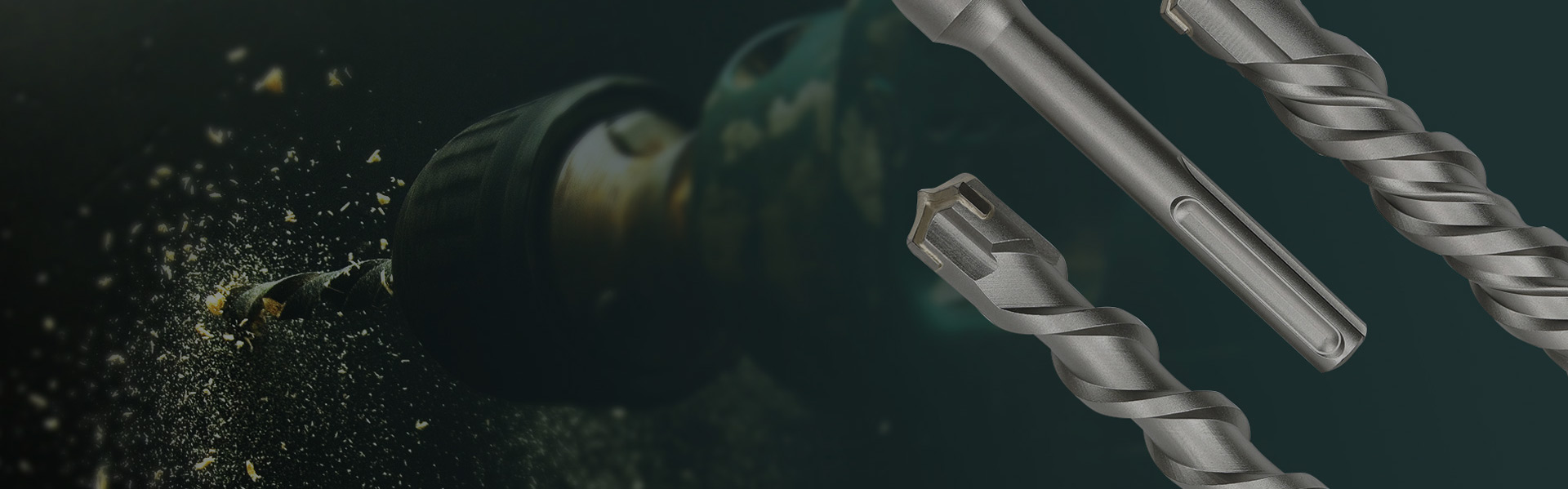
Metalworking asks for tools that behave predictably under pressure. A drill bit must enter the workpiece cleanly, keep its path steady, move chips away without causing unnecessary heat, and remain usable across different materials and job conditions. In daily workshop work, these needs are not abstract. They shape whether a task feels controlled or difficult, whether edges stay clean or become rough, and whether the operator can continue with confidence from one hole to the next.
This is where the value of a well-made drilling tool becomes clear. When a project involves steel, stainless steel, or aluminum, the demands are not the same. Each material responds in a different way to cutting force, speed, heat, and chip flow. A tool that handles one material only in a limited way can slow the whole process. A more balanced design gives users room to work across a wider range of jobs without constantly changing tools or adjusting expectations too often.
The following five advantages explain why this type of drill bit is often discussed in metalworking contexts. The focus is practical use, steady performance, and a clean result that supports everyday production rather than dramatic claims.
| Advantage | Key Benefit | Suitable Materials |
| Stable Cutting Performance | Consistent, predictable drilling action | Steel, stainless steel, aluminum |
| Clean Hole Formation | Smooth edges, less rework, better assembly | All common workshop metals |
| Effective Chip Flow | Reduces clogging, heat and surface scratches | Stainless steel, aluminum |
| Reliable Heat Management | Protects tool and workpiece during repeated use | High‑resistance metals |
One of the main reasons metalworkers choose this type of tool is its ability to handle different metals with a stable feel. Steel demands firmness and control. Stainless steel creates more resistance and can generate more heat. Aluminum is softer, but it can still create issues such as grabbing, built-up material on the cutting edge, or irregular hole walls if the tool is not suited to the task.
A balanced drill bit helps reduce these problems by keeping the cutting action more consistent. In steel, it can support a smooth entry and a controlled cut without forcing the operator to push too aggressively. In stainless steel, the tool's behavior matters even more, because the material tends to resist cutting and reward patience over speed. In aluminum, a steady edge and proper chip removal can help produce a cleaner finish and reduce the chance of material sticking to the tool.
For workshops that work with mixed materials, this kind of dependable response is useful because it simplifies the workflow. Instead of treating each metal as a separate challenge requiring a completely different setup, the operator can rely on one familiar drilling approach and make only the necessary adjustments in speed, pressure, and feed.
Hole quality is not only about whether the drill goes through the material. It is also about how the hole looks and behaves afterward. In fabrication, assembly, and repair work, a rough entry point, uneven edge, or damaged rim can create more work later. Threads may not start well, fasteners may sit poorly, and the final part may need extra finishing before it can move to the next stage.
A good twist-style drilling tool is valued because it helps create a cleaner cut and a more orderly hole wall. This matters in steel, where the cut edges should remain controlled rather than torn. It matters in stainless steel, where surface condition is often important and heat-related discoloration or edge damage can become an issue. It also matters in aluminum, where a smooth result can make the part easier to assemble and more visually consistent.
Clean hole formation also supports efficiency. When the first cut is tidy, there is less need for rework. That saves time and helps maintain a more consistent production flow. In practical terms, the operator can move from drilling to the next step with fewer interruptions and less correction work.
Drilling metal produces chips, and those chips need to move away from the cutting zone. If they remain trapped near the edge, they can interfere with the cut, create heat, or scratch the surface of the hole. Chip flow is especially important in stainless steel and aluminum, where material behavior can make chip removal more sensitive.
A well-designed twist form supports chip evacuation by guiding material away from the point of contact instead of letting it accumulate. This does more than keep the work area tidier. It also improves the feel of the drill during use. When chips are moving out smoothly, the tool tends to run more evenly. The operator experiences less sudden resistance, and the cut becomes easier to manage.
In stainless steel work, this can help reduce the stress that often comes with repeated drilling. In aluminum, it helps keep the cutting area from clogging. In steel, it supports more stable progress through the material. Good chip flow is not dramatic, but in real workshop conditions it is one of the details that separates a manageable task from a frustrating one.
Heat is one of the central concerns in metal drilling. As the tool cuts, friction increases. If heat builds too quickly, the edge can lose its effectiveness faster, and the workpiece can show unwanted marks or wear. Stainless steel is especially known for creating heat-related challenges, while aluminum can present its own issues when the material begins to stick or smear under poor cutting conditions.
A drill bit built for metalwork is expected to help the user manage this heat more effectively through stable cutting and steady chip movement. The tool should not encourage unnecessary friction, nor should it force the operator into a harsh cutting rhythm. Instead, it should allow the drilling process to remain controlled and calm enough for repeated use.
This is useful in production settings, repair environments, and general fabrication work where multiple holes may need to be made in sequence. Each hole benefits from the same type of disciplined handling. By supporting more even cutting behavior, the tool helps the operator keep the process under control without constant disruption.
Heat management also contributes to comfort. When a drill bit runs in a steadier manner, the user can concentrate more on alignment and finishing rather than on correcting a tool that feels unstable. Over time, that can improve the overall working rhythm of the shop.
A major advantage in metalworking is versatility. Many users do not work with only one material. They may need to drill structural steel one day, stainless components the next, and aluminum parts soon after. Each change in material can affect speed, pressure, and surface behavior. A drill bit that performs only in a narrow setting can make the process less efficient and force the operator to switch tools more often.
This kind of drill bit is useful because it offers a practical balance across common workshop materials. It can serve machine shops, maintenance teams, fabrication businesses, and technical users who want a dependable drilling solution for regular jobs. It also fits well into environments where tool selection must be straightforward rather than complex.
Versatility does not mean ignoring material differences. The operator still needs to adjust technique for each metal. Steel may call for a firmer and more deliberate approach. Stainless steel may need additional attention to heat and speed. Aluminum may reward cleaner feed control and careful chip removal. But a single tool that can travel between these tasks with confidence reduces setup friction and supports a smoother day-to-day workflow.
That flexibility has value beyond convenience. It can also simplify inventory, improve training, and reduce uncertainty for users who want a practical tool rather than a specialized one that is limited to a narrow application.
In metalworking, useful tools are the ones that support steady work without drawing unnecessary attention to themselves. They cut cleanly, stay manageable, and help the user adapt to different materials with less friction. When steel, stainless steel, and aluminum all need to be handled within the same environment, those qualities matter even more.
The five advantages discussed above show why this style of drill bit continues to hold attention in workshop and production settings: it offers consistent cutting behavior, cleaner hole formation, improved chip flow, more manageable heat during repeated use, and the kind of versatility that suits practical metalwork. Taken together, these qualities make it a sensible choice for users who value control, reliability, and a straightforward drilling process.
For companies and professionals looking to present their metalworking tools with clarity, the message is simple: strong results often come from balanced design, careful material handling, and a product that fits into real working conditions without making the job harder than it needs to be.
 4008-253-777
Industrial Zone, Furong Town, Yueqing City, Zhejiang Province, China


+86-0577-62298888
+86-0577-62299999

+86-0577-62295777
+86-0577-62297777
Copyright © Fangda Holding Co., Ltd. All Rights Reserved
Metal Drill Bit Sets Suppliers
