



Industry News
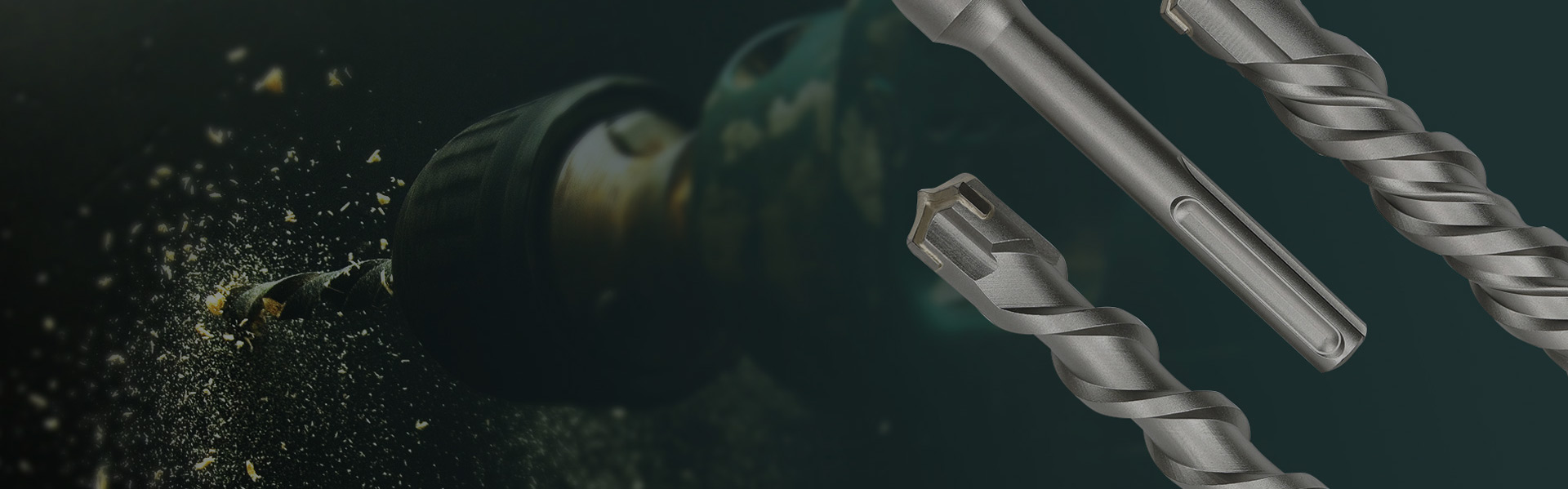
For construction, woodworking and general workshop jobs, cutting neat holes isn't always as easy as drilling straight down. Lots of jobs demand extra flexibility, especially when tight spaces, awkward mounting spots or tricky material setups limit how you can cut.
That's when angled hole cutters really come into their own.
Regular cutting bits only work well for straight cuts, but it give you far more control when space and positioning are tight. Both professional tradespeople and DIY hobbyists can finish tricky cutouts much easier with them.
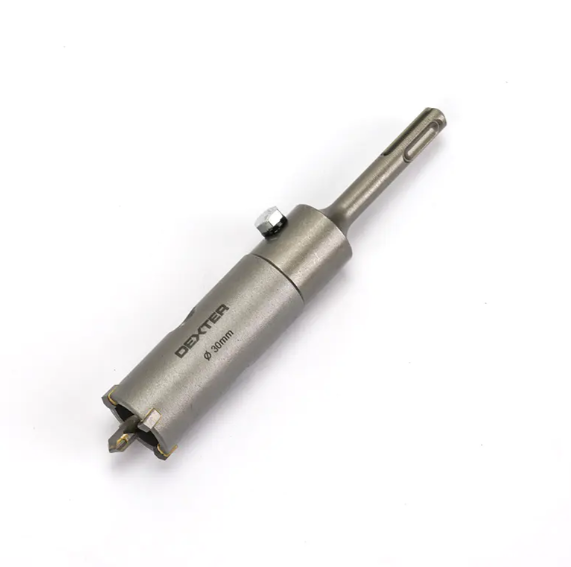
These days, project specs keep getting more diverse, so people put a lot more thought into which tools they buy. Shoppers don't just grab anything that can punch a hole anymore. They also weigh up their workspace, the materials they're cutting, how simple the tool is to operate, and what they actually need to get the job done.
If you learn how hole cutters operate, what jobs they're built for, and which details matter when picking one, you'll be able to pick the perfect model for your work.
It is specialty cutters made for drilling holes in spots where regular straight drill bits can't reach comfortably.
On site, tight spaces and mounting constraints often complicate cutting work. You might need to bore holes close to edges, in corners, or anywhere your drill can't sit straight.
The angled head design solves these awkward working scenarios perfectly.
You'll see these tools widely used across many lines of work:
This cutter isn't meant to replace all your standard drilling gear. It's simply a handy backup for tricky jobs that demand extra maneuverability.
Picking the right specialized tool turns an otherwise tough cutting job into something straightforward.
The application range of hole cutters depends on the type of project and the materials involved.
In woodworking, they may be used when creating openings for fittings, connections, or customized structures. Woodworkers often deal with unique designs where standard cutting methods may not always match the project requirements.
In construction and renovation work, angled cutting can be useful when working around existing structures. Repair projects, in particular, may involve areas where access is limited.
Workshops also use these tools for custom projects. When each job has different requirements, having flexible cutting options can make the workflow easier.
| Application Area | Common Use |
|---|---|
| Woodworking | Creating openings for custom designs |
| Construction | Supporting installation and modification work |
| Renovation | Handling cutting tasks in existing structures |
| Workshop Projects | Producing customized components |
The wide range of uses shows why different users may have different expectations from a hole cutter.
A tool selected for a professional workshop may not be the same choice as one used for occasional home projects.
Choosing a hole cutter involves more than looking at the product shape. Several details can influence how suitable the tool is for a particular application.
Cutting Design
The overall design affects how the tool performs during different cutting situations. A practical design can make handling easier, especially when working in challenging positions.
Material Compatibility
Different projects involve different materials. Buyers should consider whether the tool matches the materials they commonly work with.
Handling Convenience
Comfort during use is important. Tools that are easier to control may help users complete tasks more smoothly.
Application Range
Some users need a tool for one specific purpose, while others prefer a more flexible option for different projects.
| Feature Consideration | Why It Matters |
|---|---|
| Tool Design | Influences cutting approach |
| Material Suitability | Matches different project needs |
| Ease of Handling | Affects daily operation |
| Application Range | Supports different tasks |
The right features depend on how and where the tool will be used.
Standard hole cutters are widely used for general cutting tasks. They work well when the cutting direction is simple and access is not a concern.
A hole cutter provides another approach.
The difference mainly appears when the working environment becomes more complicated. Limited space, unusual positions, or specific project designs may require a different cutting method.
| Comparison | Angled Hole Cutter | Standard Hole Cutter |
|---|---|---|
| Cutting Approach | Suitable for angled or flexible applications | Commonly used for direct cutting |
| Working Conditions | Useful in restricted areas | Better for simple access situations |
| Application Style | More specialized tasks | General cutting needs |
| Project Flexibility | Supports customized work | Designed for common applications |
Neither option is suitable for every situation.
A standard tool may be enough for regular tasks, while a hole cutter may provide more flexibility when project conditions become more complex.
Selecting a cutting tool requires understanding the actual working environment.
Many buyers make decisions based only on appearance or price. However, a tool should match the tasks it will perform.
Several points are worth considering.
Project Requirements
Think about the type of work involved. A workshop handling different projects may need a different solution compared with someone completing occasional repairs.
Material Type
The materials being cut can influence tool selection. Different materials create different working conditions.
Usage Frequency
A tool used regularly may require different considerations from one used only from time to time.
Working Space
The available workspace can affect whether an angled cutting solution is suitable.
Maintenance Needs
Tools used frequently require practical care and storage planning.
| Buying Factor | Question to Consider |
|---|---|
| Project Type | What tasks will the tool handle? |
| Material | What surfaces need cutting? |
| Frequency | How often will it be used? |
| Workspace | Is access limited? |
| Maintenance | How will the tool be stored and maintained? |
A careful evaluation helps buyers choose a tool that fits their real needs.
Nowadays, most jobs are built around custom requests.
Home renovations, interior refits and custom construction work rarely fit old standard ways of doing things.
Basic drilling methods handle simple jobs fine, but custom builds always throw up awkward, unforeseen obstacles.
Hole cutters fill that gap whenever workers need more freedom to work around obstructions.
Take renovation work for instance: you're often working around pre-existing walls and frames with no clear straight line to drill. Custom woodwork also calls for holes positioned to match unique design layouts.
As clients ask for more tailor-made results, tradespeople are starting to value specialist tools far more.
Instead of relying on a single universal tool for every job, pros put together a varied set of tools suited to different site conditions.
Using the right tool is only part of achieving good results. The way the tool is selected, prepared, and handled also matters.
Before starting a project, users should understand the cutting requirements and prepare the working area properly.
Some practical considerations include:
A good working process often begins before the cutting starts.
Experienced users usually focus on preparation because small details can influence the overall workflow.
The goal is not simply to create an opening. It is to complete the task in a controlled and practical way.
The tool industry continues to adapt as users look for more flexible solutions.
Projects are becoming more diverse, and many workers face situations where traditional tools may not fully meet their requirements.
Hole cutters represent this change. They are part of a wider movement toward tools designed for specific applications.
For professionals, the choice of tool can influence daily workflow. For buyers, understanding application needs can help avoid unsuitable purchases.
As construction, woodworking, and renovation projects continue to develop, specialized tools such as angled hole cutters are gaining attention among users who need more adaptable cutting options.

 4008-253-777
Industrial Zone, Furong Town, Yueqing City, Zhejiang Province, China


+86-0577-62298888
+86-0577-62299999

+86-0577-62295777
+86-0577-62297777
Copyright © Fangda Holding Co., Ltd. All Rights Reserved
Metal Drill Bit Sets Suppliers
