



Industry News
In woodworking, the final appearance of a product is often decided by small details. A plain wooden board can become part of a carefully designed cabinet, a decorative shelf, or a custom piece of furniture after proper shaping and finishing.
Edge design is one area where many woodworkers spend extra attention. The shape of a wooden edge can change the feeling of a product. A sharp edge may create a simple modern look, while a curved profile can bring a softer and more traditional style.
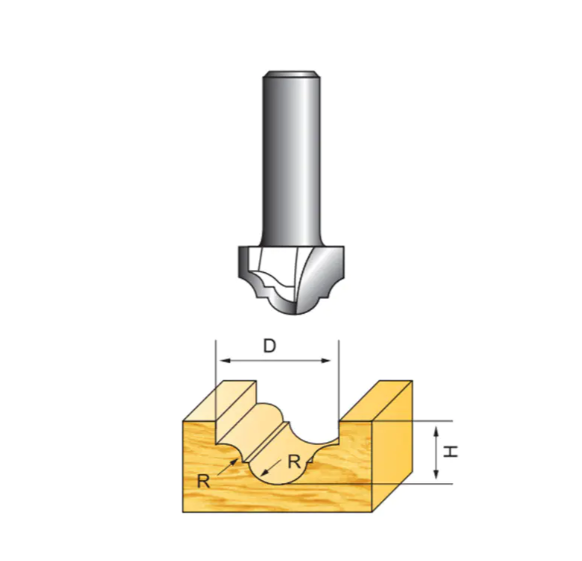
Double Roman router bits are commonly used for this purpose. They help create decorative edge profiles that add character to wood surfaces. These tools are found in furniture workshops, cabinet production, and custom woodworking projects where appearance and craftsmanship matter.
As interior design preferences continue to move toward personalized spaces, decorative woodworking has gained more attention. Customers are not only looking for practical furniture. They also want products with details that make them feel different.
Understanding the uses of router bits helps buyers and woodworkers choose suitable tools for different projects.
A router bit is a small tool, but its effect on a wooden product can be significant. The edge of a table, cabinet door, or wooden panel may seem like a minor detail. However, it often influences the overall style of the finished product.
Router bits are mainly used to create curved decorative profiles on wood edges. The design allows woodworkers to add a more detailed appearance without changing the basic structure of the material.
Many woodworking projects begin with simple boards or panels. Through shaping, sanding, and finishing, these basic materials become finished products with a stronger visual identity.
Typical applications include:
| Application | Purpose |
|---|---|
| Furniture Making | Adding decorative edges to wooden components |
| Cabinet Production | Creating shaped details on doors and panels |
| Interior Woodwork | Improving the appearance of trims and features |
| Custom Projects | Developing unique design elements |
The popularity of this type of router bit comes from its balance between practicality and creativity. It is not only used for cutting wood. It is also used for creating a specific look.
For many craftsmen, the edge profile becomes part of the product design.
Shaping decorative borders is a regular task in woodworking.
Adding molded edges to timber surfaces instantly elevates the finished look of wooden goods. Furniture craftsmen have relied on this trick for decades, since edge detailing directly shapes how buyers judge a piece's quality and overall style.
Router bits carve smooth, flowing curved contours along woodwork. Designers turn to this profile to skip plain flat edges on all kinds of furniture pieces.
You'll spot this edge style everywhere:
Craftsmen can work with identical lumber yet create entirely distinct aesthetics just by switching edge profiles. Tweaking the curve shape alone shifts a piece's vibe—leaning classic, gentle, or heavily ornamental.
This adaptability shines for custom woodwork orders. When clients ask for one-of-a-kind furniture layouts, woodworkers mix and match edge profiles to hit the exact decorative feel the customer wants.
Furniture production is one of the areas where decorative router bits are widely used.
Modern furniture design includes many different styles. Some products focus on clean lines, while others include decorative elements that highlight craftsmanship.
Router bits are often selected for furniture projects that require more visual detail.
Examples include:
| Furniture Type | Common Application |
|---|---|
| Dining Tables | Creating decorative tabletop edges |
| Cabinets | Adding style to doors and panels |
| Wooden Frames | Producing curved border designs |
| Storage Furniture | Improving visible edge details |
In handmade furniture production, these small design choices can have a strong influence on the final result.
A customer choosing a custom wooden table may notice the edge shape as much as the overall size or material. The profile becomes part of the furniture's personality.
For furniture makers, having flexible shaping tools allows them to offer more design options.
Cabinet doors and panels often include decorative features.
A cabinet with a plain surface and a cabinet with shaped edges may serve the same purpose, but their appearance can be very different.
Manufacturers use decorative router bits to create details that match different interior styles.
Common cabinet applications include:
The edge profile can help connect the cabinet design with the rest of the room. A traditional kitchen may require warmer decorative details, while a modern interior may use simpler shapes.
For cabinet makers, the challenge is finding a balance between design and production efficiency. The tool needs to create the desired appearance while fitting into the manufacturing process.
This is why router bit selection is an important part of cabinet production planning.
Custom woodwork centers on unique client requirements.
Mass furniture lines stick to fixed templates, but custom jobs follow each buyer's individual requests. Clients might ask for one-of-a-kind table edging, tailored cabinet frames or standout wooden ornaments you won't find on generic goods.
Router bits expand the range of decorative details woodworkers can craft.
Changing the edge contour alters the whole look of a piece, even when working with the same timber stock.
These bits suit all kinds of custom wood projects:
Small independent shops favor this style of shaping tool. They unlock creative design options without needing heavy, large-scale manufacturing equipment.
This cutter works hand in hand with the design workflow, turning clients'design concepts into finished wooden pieces.
The relationship between the tool and the wood material affects the final appearance.
Different woods have different textures and grain patterns. These natural differences can change how a decorative edge looks after shaping.
A strong grain pattern may highlight the curved profile. A smoother wood surface may create a cleaner visual effect.
Before using a router bit, woodworkers usually consider:
| Factor | Reason |
|---|---|
| Wood Characteristics | Different materials respond differently during shaping |
| Design Purpose | The edge style needs to match the product concept |
| Surface Finish | Final appearance depends on shaping and finishing together |
| Project Scale | Production methods may change for different project sizes |
Experienced woodworkers often test the material before working on the final product. Small differences in technique can influence the quality of the finished edge.
This attention to detail is common in professional woodworking because decorative features need accuracy and consistency.
Choosing a router bit requires more thought than simply selecting a decorative shape.
Different users have different needs. A hobby woodworker creating occasional projects may look for different features compared with a furniture manufacturer producing many items.
Several points are often considered:
Project Type
The purpose of the project determines which profile is suitable.
A cabinet maker, furniture producer, and hobby craftsman may all use router bits differently.
Material Choice
The wood being shaped affects tool selection and working methods.
Design Requirement
The desired appearance of the finished product influences the edge style.
Working Frequency
Professional users may pay more attention to tool durability and consistency because the equipment is used more often.
For suppliers and manufacturers, understanding these differences helps provide more suitable solutions for different customers.
The woodworking market has become more focused on design details.
Many customers now want furniture and interior products that feel personal. They pay attention to texture, shape, and craftsmanship instead of only basic function.
This change has created more interest in decorative woodworking tools.
Router bits are part of this development because they allow manufacturers and craftsmen to create more variations in product design.
Large furniture factories may use these tools for selected product lines. Smaller workshops may use them to create customized pieces.
The purpose is different, but the goal is similar: creating wood products with more character.
As design expectations continue to change, tools that support creative possibilities will remain important in woodworking.
Woodworking continues to develop as people look for more personalized home environments.
Furniture design, interior decoration, and handmade products are all moving toward greater attention to detail.
Double Roman router bits fit into this direction because they provide a practical way to create decorative features.
Future applications may continue to appear in areas such as:
The value of these tools comes from their ability to connect simple materials with creative design ideas.
A carefully shaped wooden edge may seem like a small feature, but it can influence the entire appearance of a finished product. For woodworkers and manufacturers, that small detail is often where craftsmanship becomes visible.

 4008-253-777
Industrial Zone, Furong Town, Yueqing City, Zhejiang Province, China


+86-0577-62298888
+86-0577-62299999

+86-0577-62295777
+86-0577-62297777
Copyright © Fangda Holding Co., Ltd. All Rights Reserved
Metal Drill Bit Sets Suppliers
