



Industry News
Home / News / Industry News / Are China Router Bits Changing the Way Woodworkers Approach Cutting Tasks

Woodworking has always been tangled up with the tools that make it possible. From hand planes and chisels to today's power equipment, every shift in tooling has reshaped how craftsmen shape, design, and finish wooden products.
Lately, China router bits have started pulling in real attention from woodworkers and manufacturers alike. Their growing presence has kicked off a broader conversation about how cutting tasks actually get handled these days. Rather than sticking purely to traditional methods, a lot of workshops are now exploring tools that make shaping work feel more organized and a lot easier to manage day to day.
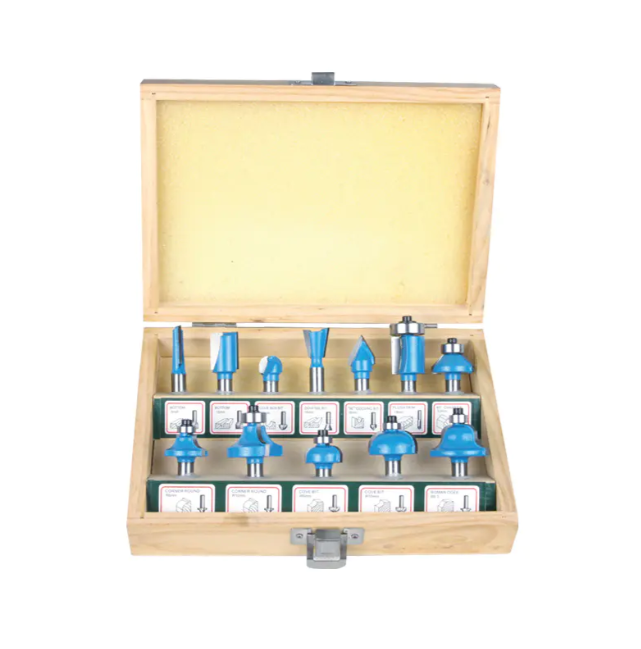
A router bit might look like a minor piece of the whole woodworking process, but its role is genuinely significant. It shapes how edges come together, how designs get built out, and how smoothly a project actually moves from one stage into the next.
The rising interest in router bits isn't purely about the tool itself, either. It reflects something bigger happening in woodworking habits overall — users chasing practical solutions that support creativity, consistency, and the demands of daily production all at once.
Woodworking has always balanced raw skill against the equipment used to apply it. Experienced craftsmen know a good result comes down to careful planning, smart material selection, and proper handling throughout.
But the tools in play genuinely shape how easily that skill translates into a finished piece. When cutting tasks demand too much adjustment or constant correction, the whole workflow starts dragging.
Router bits have become part of that shifting landscape. Plenty of woodworkers are exploring them simply because they offer another route toward shaping wood surfaces, adding decorative details, and knocking out various cutting tasks without extra friction.
None of this is about replacing traditional craftsmanship — it's about handing craftsmen tools that actually fit how modern workshops operate.
A lot of workshops are now focused on:
As woodworking projects keep getting more varied, tools that support real flexibility keep climbing in value.
Cutting wood requires attention and patience. Even simple designs may involve several adjustments before reaching the desired result.
Different projects bring different challenges. A furniture maker may need smooth edges. A custom woodworking shop may need repeated shapes. A renovation project may require matching existing designs.
Some common difficulties include:
| Cutting Challenge | Possible Effect on Work |
|---|---|
| Uneven shaping | Requires additional finishing work |
| Repeated cutting tasks | Can increase workload |
| Complex designs | Needs careful control |
| Changing project requirements | Requires flexible methods |
These challenges are common in both small workshops and larger production environments.
A suitable router bit can help address some of these issues by making shaping tasks more predictable. Instead of creating every detail manually, woodworkers can use tools that support a more structured approach.
This allows craftsmen to spend more time on creative decisions and less time correcting basic cutting problems.
Custom woodworking runs on attention to detail. Unlike standardized production runs, every project here tends to bring its own unique set of requirements to the table.
A customer might ask for a specific edge style, an unusual surface shape, or some custom design element that's never come up before. Meeting those requests demands tools flexible enough to adapt to whatever idea walks through the door.
Router bits show up a lot in exactly these situations, since they support a genuinely wide range of shaping applications. They let woodworkers explore different design directions without blowing up their existing workflow to do it.
For custom furniture makers especially, that flexibility pays off. A single workshop might be juggling different materials, styles, and customer tastes all at once, and tools that flex across multiple tasks let that workshop respond a lot more easily than it otherwise could.
Efficiency in custom work was never just about finishing faster, either. It's just as much about protecting creativity while still keeping time under control.
A cutting process that's genuinely well-organized tends to deliver both at once.
The interest in bits comes from several factors. Modern woodworkers often look for tools that match their working habits and project needs.
One reason is accessibility. Many workshops want practical tools that can support regular operations without making the process complicated.
Another reason is variety. Different woodworking projects require different cutting approaches. Having more options allows users to choose tools based on their specific applications.
The growing attention also comes from the expansion of global woodworking activities. Small workshops, independent makers, and manufacturing businesses are all exploring ways to improve their processes.
For many users, the question is not simply where a tool comes from. The focus is whether the tool can support their daily work.
This shift in thinking has changed how many buyers evaluate woodworking equipment.
Router bits are used in many areas of woodworking. Their applications are not limited to one product type or one working environment.
Different projects may require different shaping methods. Router bits can support tasks involving edges, patterns, profiles, and decorative details.
| Application Area | Common Woodworking Tasks |
|---|---|
| Furniture Making | Creating shaped edges and details |
| Cabinet Production | Supporting panel and surface designs |
| Door Manufacturing | Adding decorative profiles |
| Interior Projects | Creating custom wood features |
| Personal Workshops | Completing creative woodworking tasks |
This range of applications explains why router bits continue to attract attention.
For professional manufacturers, they can become part of a regular production process. For hobby woodworkers, they can provide more opportunities to experiment with designs.
The usefulness of a router bit depends on how it fits into the overall project. The same tool may have different value for different users.
The expectations surrounding woodworking tools are changing. Users are no longer looking only at basic cutting ability.
They are also considering how a tool fits into their entire workflow.
A modern woodworking tool needs to support:
This change reflects a broader movement in the industry. Woodworkers want tools that help them solve practical problems.
Router bits are becoming part of this conversation because they represent a wider selection of options for users around the world.
The decision to choose a certain tool depends on many factors. However, the growing interest shows that woodworking professionals are paying more attention to how equipment influences their creative process.
Small woodworking businesses tend to face their own particular set of challenges. They're often juggling very different project types while working with genuinely limited resources.
For operations like that, every tool choice actually matters. Equipment needs to pull double or triple duty and fit smoothly into daily operations without adding friction.
Router bits offer another practical option for workshops looking to grow what they're capable of. They help businesses manage custom orders, explore fresh designs, and keep production genuinely organized.
A small shop might reach for router bits on furniture detailing one week, home improvement work the next, and custom wooden products after that.
Adaptability matters a lot in this kind of environment. Businesses fielding all sorts of different requests need tools that let them respond quickly, without getting bogged down in unnecessary complications along the way.
The future of woodworking will continue to combine traditional skills with changing tools. Craftsmanship remains important, but the methods used to achieve results continue to develop.
Router Bits Factory represent one part of this development. They show how smaller components can influence larger working processes.
The relationship between woodworkers and tools is always changing. New equipment does not remove the value of experience. Instead, it gives craftsmen more ways to apply their knowledge.
As woodworking projects become more personalized, tools that support flexibility and creativity will continue to attract attention. The focus is moving toward creating a smoother connection between ideas, materials, and finished products.

 4008-253-777
Industrial Zone, Furong Town, Yueqing City, Zhejiang Province, China


+86-0577-62298888
+86-0577-62299999

+86-0577-62295777
+86-0577-62297777
Copyright © Fangda Holding Co., Ltd. All Rights Reserved
Metal Drill Bit Sets Suppliers
