



Industry News
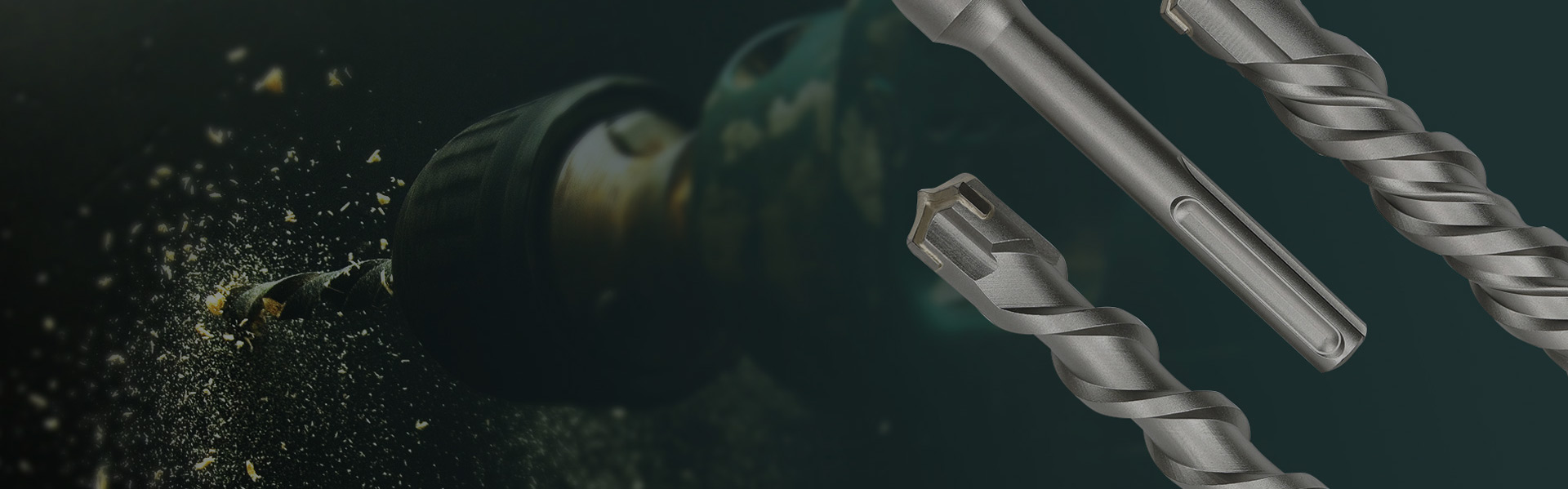
Demand for customized cutting tools has been climbing across a lot of manufacturing fields lately. Buyers aren't just settling for whatever's sitting on the standard shelf anymore. More often than not, they need something that actually matches their production process, the materials they're working with, whatever their specific application calls for. That shift's pushed router bits factories to get more flexible with what they offer and, honestly, talk to customers a lot more than they used to.
A router bits factory sits right in the middle of that whole process, really — connecting whatever idea a customer has in their head with an actual finished tool that does the job. Through customization, factories end up helping customers build products suited to whatever working conditions they're actually dealing with. That means digging into what the customer actually wants, tweaking production methods to fit, and still keeping quality steady the whole way through manufacturing.
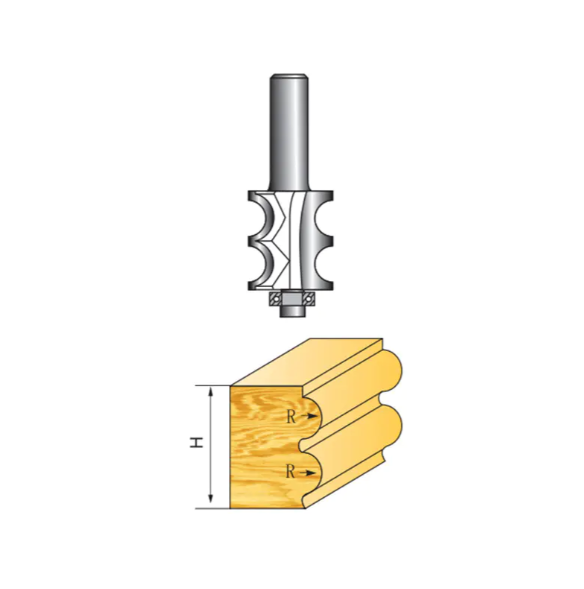
For a lot of businesses, customized router bits have turned into a genuinely practical option — a way to get more control over their own operations without bending everything to fit some generic tool. Instead of forcing their whole production setup to adapt around a standard product, companies get to work directly with manufacturers and land on something a lot closer to what they actually need in the first place.
Different industries often have different cutting needs. A standard router bit may work well for common applications, but some projects require special designs or specific features. Customized solutions allow buyers to choose tools based on their own production goals.
A customized router bits factory can provide support in several areas:
| Customer Requirement | How a Factory Can Respond |
|---|---|
| Different working applications | Develop suitable tool designs |
| Special production needs | Adjust manufacturing solutions |
| Unique project requirements | Provide customized recommendations |
| Long-term supply needs | Offer consistent production support |
Customization is not only about changing the appearance of a tool. It is about creating a product that matches the user's working environment. This can help businesses reduce unnecessary adjustments and improve daily operations.
Many buyers also prefer customized cooperation because it allows better communication. When customers share their needs directly with a factory, manufacturers can understand the actual problems behind a request. This helps create more suitable solutions instead of offering general products that may not fully meet expectations.
A professional router bits factory usually begins customization with detailed communication. Customers may provide information about their applications, preferred tool styles, or expected working results. The factory then evaluates these requirements and develops a suitable production plan.
The customization process often includes several important steps:
Understanding Customer Needs
A factory needs to know what the customer wants to achieve. Different materials, working conditions, and production environments can influence tool selection. Clear communication helps both sides avoid misunderstandings.
Developing Suitable Designs
After understanding the requirements, the factory can create a design based on customer expectations. The design stage allows manufacturers to consider factors such as usage purpose, product structure, and production feasibility.
Producing Customized Tools
Once the design is confirmed, the factory begins manufacturing. Skilled production teams and organized processes help transform ideas into finished products.
Checking Product Results
Before delivery, factories usually review the products to make sure they match customer requirements. This step helps maintain consistency and improves customer confidence.
Customization requires cooperation between buyers and manufacturers. A successful process depends on clear information sharing and effective communication.
Markets these days just aren't uniform anymore, not really. Companies across different fields are running into their own specific production headaches, and a single standard product can't always cover every one of those situations — it just wasn't built to.
A China Router Bit factory that's set up for customization ends up giving buyers a lot more to work with. Businesses tend to go looking for customized tools for reasons like:
For a lot of companies, going custom isn't really a one-off purchase decision — it ties into longer-term planning. They're not just buying a tool off a shelf, they're building an actual working relationship with a manufacturer that gets what they need without having to be told every time.
That's shifted the whole dynamic between factories and buyers too, honestly. Customers now expect more back-and-forth communication, quicker responses, solutions that can flex when things change. Factories that can actually deliver on customization end up in a much better spot to keep up with a market that isn't sitting still.
Customization options can vary depending on the factory's production ability and customer requirements. Some factories focus on product adjustments, while others provide more complete support from design to manufacturing.
Common customization areas include:
| Customization Area | Customer Purpose |
|---|---|
| Tool design | Match specific applications |
| Product appearance | Meet identification or market needs |
| Packaging options | Support different sales requirements |
| Production solutions | Fit different working situations |
A factory may also help customers choose suitable product directions. Some buyers understand their problems but may not know which type of tool can solve them. Professional communication allows the factory to provide useful suggestions.
Customization also helps businesses create product differences. In competitive markets, companies often need solutions that reflect their own production characteristics. Customized router bits can become part of that strategy.
Router bits show up pretty much anywhere cutting or shaping work needs to happen, and that's a wide net of industries — each one bringing its own take on what tool performance, design, even day-to-day usage is supposed to look like.
A factory that's actually flexible can flex its manufacturing approach to keep up with all of that. A few examples of how this plays out:
Every customer's working under different conditions, at the end of the day. A factory that actually pays attention can land closer to what customers really need, instead of just handing over a generic fix.
None of that works, though, without real communication between factory and customer. When a manufacturer actually understands why a customer's asking for something in the first place, the recommendations that come back tend to be a lot more useful — not just technically correct, but actually practical for the job at hand.
Communication is one of the most important parts of customization. A good manufacturing process starts with a clear understanding of customer expectations.
Customers should share important details about their requirements. Factories should provide professional feedback and explain possible solutions. This cooperation helps both sides make better decisions.
Several factors can improve communication:
Clear product information
Customers can describe their working needs, target applications, and expected results. More details help factories understand the project.
Professional suggestions
Factories can use their production experience to recommend suitable options. This creates a more efficient discussion process.
Continuous cooperation
Long-term relationships allow factories to understand customer preferences better. Future orders can become easier to manage.
Customization is not simply a one-time service. It is a process based on trust and cooperation. Strong communication helps create better results for both buyers and manufacturers.
Choosing a suitable factory is an important decision for businesses that need customized tools. Buyers should look beyond product availability and consider the factory's overall support ability.
Important factors may include:
| Consideration | Why It Matters |
|---|---|
| Customization experience | Helps handle different customer requests |
| Communication ability | Supports smoother cooperation |
| Production flexibility | Allows more choices for buyers |
| Quality management | Helps maintain product consistency |
| Service support | Improves the overall purchasing experience |
A factory that understands customization can provide more than a simple product supply service. It can become a partner that supports business growth.
Buyers should also consider whether the factory can understand their market needs. A manufacturer with strong communication skills can often provide more suitable solutions during cooperation.
Customization is becoming an important direction for many manufacturing industries. Customers want products that match their own needs instead of choosing only from standard options.
For router bits factories, customization creates new opportunities. It encourages manufacturers to improve design support, production flexibility, and customer communication.
Future development may focus on:
The relationship between manufacturers and customers is changing. Buyers are looking for suppliers that can understand problems and provide practical solutions. Factories that support customization can better adapt to this changing environment.
A router bits factory is no longer only a place where tools are produced. It can become a source of customized solutions that help businesses handle different production challenges. Through flexible services, clear communication, and customer-focused cooperation, customized router bits can meet a wider range of market needs.
 4008-253-777
Industrial Zone, Furong Town, Yueqing City, Zhejiang Province, China


+86-0577-62298888
+86-0577-62299999

+86-0577-62295777
+86-0577-62297777
Copyright © Fangda Holding Co., Ltd. All Rights Reserved
Metal Drill Bit Sets Suppliers
