



Industry News
Home / News / Industry News / Straight Cut Router Bit vs Spiral Router Bit: What are the Differences
Choosing the right router bit is a common consideration in woodworking production. A small change in tooling can affect how a material is processed, how much finishing work is needed, and how the final product looks.
Straight Cut Router Bit and Spiral Router Bit is often discussed together because both are used for cutting and shaping wood. They may appear similar from a buyer's perspective, but their designs and working methods are different.
For a small woodworking workshop, the choice may depend on the type of projects handled every day. For a furniture manufacturer, the decision may involve production flow, surface requirements, and material conditions.
Neither type is suitable for every situation. Understanding where each router bit works well can help users make a more practical choice.
Woodworkers often weigh straight router bits against spiral ones for their milling jobs.
Different wood projects call for different cuts: some just need basic slots, others need sharp, clean finished edges.
These two bits handle overlapping work, but they cut wood in totally separate ways, which is why craftsmen draw comparisons between them.
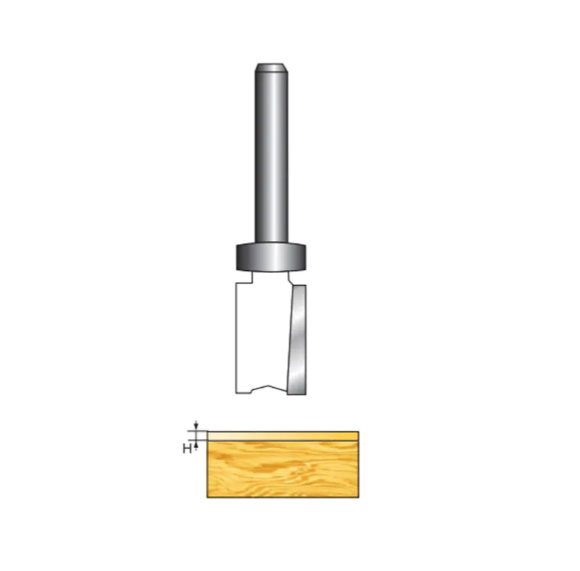
Straight bits carry simple flat cutting blades. Shops use them mostly for regular shaping, slotting and general everyday wood cutting work.
Spiral bits have twisted flutes running along the tool. This spiral shape changes how the tool digs into timber and pushes out wood chips while running.
The difference can influence:
| Comparison Area | Straight Cut Router Bit | Spiral Router Bit |
|---|---|---|
| Cutting Style | Direct cutting movement | Spiral cutting movement |
| Common Uses | Grooves, slots, basic shaping | Detailed cutting and smoother surface work |
| Suitable Users | General woodworking applications | Projects requiring more refined results |
| Typical Projects | Furniture structures, cabinets, woodworking repairs | Custom furniture, panels, detailed designs |
Many workshops keep both options available because woodworking projects rarely involve only one type of cutting.
A cabinet maker may use a straight bit during assembly preparation and choose a spiral bit when working on visible surfaces.
Straight router cutters are staple tools in any wood shop.
Their uncomplicated build fits all kinds of routine woodwork, perfect for stripping away wood along clean, straight lines.
Regular jobs they handle daily:
Furniture makers rely on these bits to machine precise joints before putting pieces together. They easily cover all standard straight cutting work needed during prep.
Cabinet workshops also turn to straight bits to carve out slots meant for shelves, panels and other fitted inserts.
New woodworkers tend to pick these bits first too. Their cutting motion is easy to follow and master quickly.
What makes them indispensable is how multi-purpose they are. One set works across nearly all routine shop tasks.
The design of Spiral Router Bits changes the way cutting happens.
Instead of using straight cutting edges, the tool uses a spiral pattern around the cutter body. This creates a different interaction between the bit and the material.
Many woodworkers choose spiral router bits when the appearance of the cut surface matters.
They are often considered for:
In professional woodworking, reducing extra finishing work can be an important consideration. A cleaner cut may help improve the overall production process.
However, spiral router bits are not a replacement for every straight cut application.
A workshop producing cabinet joints may still rely heavily on straight router bits because the task itself requires direct cutting rather than surface refinement.
Furniture production involves different stages, and each stage may require different tools.
During the early stages of manufacturing, workers often focus on shaping components and preparing connections. Straight Cut Router Bits are commonly used in these situations.
Later processes may involve visible surfaces where appearance receives more attention. Spiral Router Bits may be selected for these areas.
| Furniture Process | Possible Router Bit Choice |
|---|---|
| Preparing joints | Straight Cut Router Bit |
| Creating grooves | Straight Cut Router Bit |
| Processing visible panels | Spiral Router Bit |
| Custom decorative work | Spiral Router Bit |
A dining table, cabinet, or wooden door may require several machining steps. The router bit used at each stage depends on what the manufacturer wants to achieve.
This is why many professional users do not ask which router bit is universally better. They usually ask which tool matches the current task.
Material selection has a strong influence on woodworking results.
Wood is a natural material. Grain direction, density, and surface structure can change the cutting experience.
A tool that works well on one material may require different handling on another.
Woodworkers often consider:
| Material Factor | Why It Matters |
|---|---|
| Wood Texture | Influences the final surface appearance |
| Project Purpose | Determines the required cutting style |
| Surface Visibility | Affects the need for cleaner finishing |
| Production Method | Changes tool selection needs |
Straight Cut Router Bits are often suitable for general woodworking tasks where the cutting path is simple.
Spiral Router Bits may be considered when the project requires more attention to surface quality.
Experienced users usually evaluate the material before choosing the tool. The router bit is only one part of the entire process.
Good results often come from matching the tool, material, and working method together.
Many woodworking businesses choose router bit sets instead of buying individual tools separately.
A Straight Cut Router Bit Set can provide different options for common woodworking operations. This is useful for workshops that handle various projects.
A small furniture repair shop, for example, may need several cutting sizes for different jobs. A production workshop may also keep multiple options available for different manufacturing stages.
Common reasons for choosing a set include:
For users who work on different types of wooden products, having several router bits available can reduce the need for frequent tool changes.
The choice of a set depends on the user's working habits and project range.
Buying a router bit requires looking beyond the product name.
Different users have different expectations. A hobby woodworker and a furniture factory may have completely different priorities.
Several questions can help guide the decision.
What Kind Of Work Will Be Done?
A person making simple wooden shelves may need different tools from a company producing custom furniture.
Is Surface Appearance Important?
Projects with visible edges or decorative surfaces may require more attention to cutting quality.
What Materials Are Being Processed?
The type of wood affects how the tool interacts with the material.
How Frequently Will The Tool Be Used?
Regular production work may require different considerations compared with occasional projects.
These factors help buyers select tools based on actual needs instead of choosing only by appearance or general recommendations.
Woodworking is becoming more diverse. Some manufacturers focus on large-scale production, while others specialize in customized furniture and unique interior products.
These different markets create different demands for tools.
Straight Cut Router Bits remain important because many woodworking tasks still require simple and reliable cutting methods.
Spiral Router Bits are gaining attention in applications where surface appearance and detailed processing are important.
The growth of customized furniture has also influenced tool choices. Customers often want products with personal design features, and manufacturers need tools that support more creative options.
This does not mean one type of router bit replaces another. Instead, both continue to serve different purposes in woodworking.
Tool condition can affect the final outcome of a project.
A router bit that is properly stored and maintained can support more consistent work. Poor storage or incorrect handling may influence cutting results.
Many users pay attention to:
Good tool management is especially important for workshops where router bits are used frequently.
The difference between Straight Cut Router Bits and Spiral Router Bits is not only about design. It is also about how the tool is selected, used, and maintained during real woodworking operations.
As woodworking continues to develop, choosing suitable router bits remains an important part of creating furniture, cabinets, and custom wooden products.

 4008-253-777
Industrial Zone, Furong Town, Yueqing City, Zhejiang Province, China


+86-0577-62298888
+86-0577-62299999

+86-0577-62295777
+86-0577-62297777
Copyright © Fangda Holding Co., Ltd. All Rights Reserved
Metal Drill Bit Sets Suppliers
