



Industry News
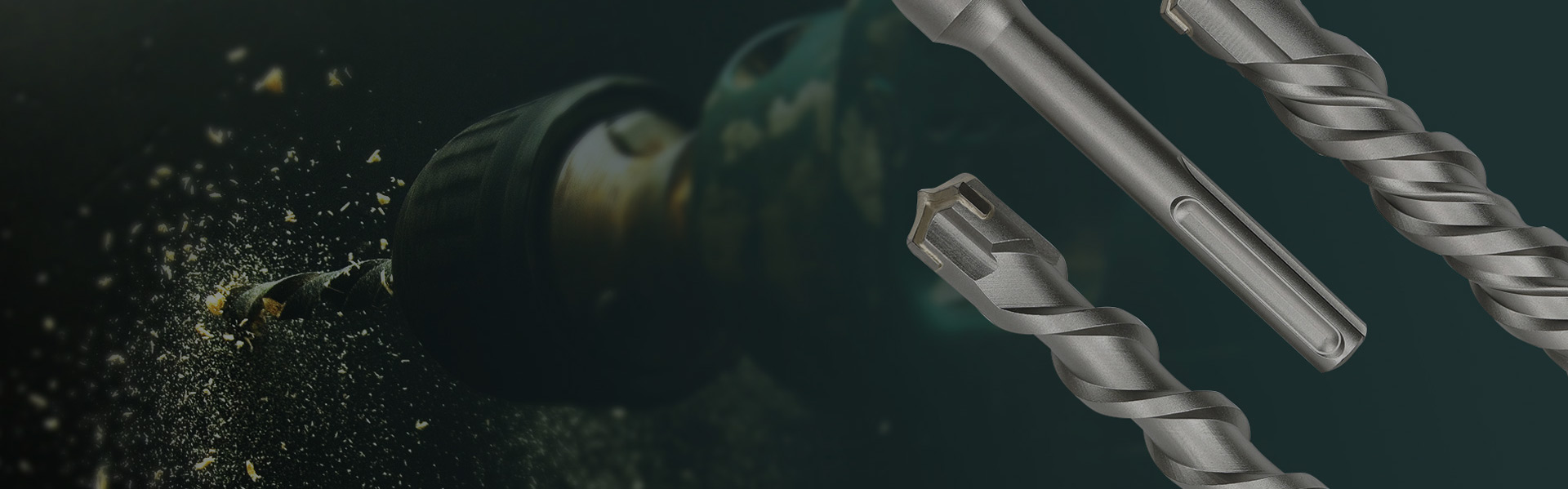
In many workshops, angled hole cutter is treated as a routine step. It looks simple at a glance. Tilt the tool, guide it into the material, and create a slanted opening for fastening or assembly. Yet small details often get overlooked. That is where problems begin to show.
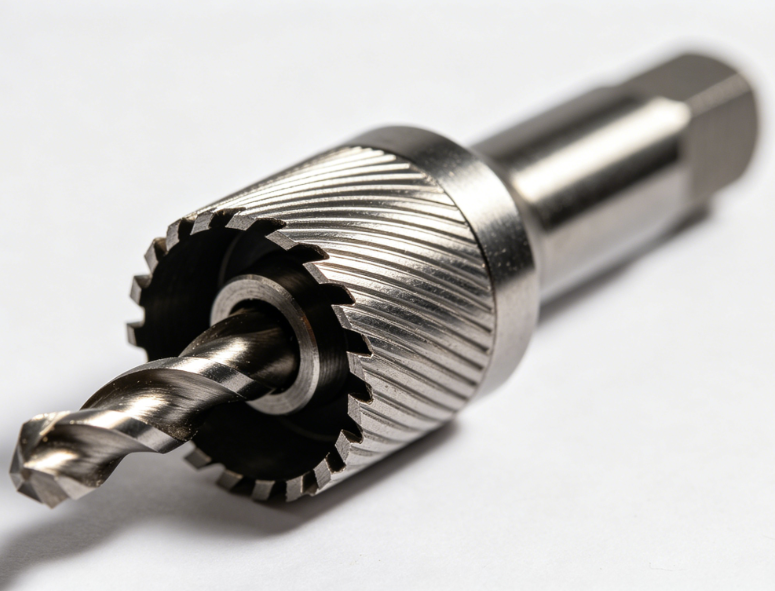
People usually notice the result rather than the process. A joint feels loose. A screw does not sit right. The surface shows marks that were not expected. These issues rarely come from the tool alone. They tend to come from how it is used.
Angled hole cutting sits somewhere between precision work and everyday handling. It does not demand complex setup, but it does require attention. The mistakes are not dramatic. They are subtle, repeated, and easy to ignore until they affect the final outcome.
An uneven angled hole is one of the most common outcomes, especially when the work feels rushed. The entry point may look fine, but the internal path drifts slightly. By the time the cut is complete, the angle is no longer consistent.
This often happens when the tool is not held steady during the entire motion. A small shift at the beginning can change the direction of the cut. The tool may follow that new path without much resistance, especially in softer material.
Another factor is body positioning. If the operator stands at an awkward angle, the movement becomes less controlled. The hand compensates without realizing it, and the hole follows that movement.
Surface contact also plays a role. If the tool does not sit firmly at the starting point, it may slide before it begins cutting. That short slip can affect the entire result.
Alignment is easy to assume and just as easy to ignore. Many users rely on visual judgment rather than checking the angle carefully. In simple tasks, that may seem enough. In repeated work, small alignment errors add up.
A slight tilt difference between holes can affect how parts fit together. When several angled holes are used in one piece, inconsistency becomes more visible.
Some users try to adjust midway through the cut. This usually makes things worse. Once the path is formed, the tool tends to follow it. Forcing a correction can widen the hole or create rough edges.
Keeping alignment steady from the start often makes a bigger difference than trying to fix it later.
There is a tendency to push harder when progress feels slow. It seems like a simple way to move faster. In reality, it often creates more problems than it solves.
Excess force can cause the tool to bite too deeply at once. That may lead to a rough interior surface. It can also make the tool harder to control, especially when cutting at an angle.
Another issue is loss of direction. When pressure increases, the tool may shift slightly off its intended path. That shift may not be visible immediately, but it affects how the hole develops.
Gentle and steady pressure usually keeps the cut more predictable. The process may feel slower, but the result tends to be cleaner.
Material stability is often underestimated. If the workpiece is not secured properly, even a small movement can change the angle of the cut.
This is especially noticeable when working with lighter or thinner pieces. The tool enters at an angle, and the material reacts to that pressure. A slight shift is enough to misalign the hole.
Some users try to hold the material by hand while cutting. That approach works for very small tasks, but it introduces risk. The hand cannot always counter the force applied by the tool.
A stable setup reduces unexpected movement. It allows the tool to follow a consistent path without interruption.
Rough edges are not always caused by the tool itself. They often result from how the cut begins or ends.
At the entry point, the tool may not engage smoothly. If it skips or vibrates slightly, the surface can become uneven. At the exit point, the material may not support the cut fully, leading to minor chipping.
The angle of entry affects this as well. A sharper angle can increase stress on the surface fibers. Without careful handling, that stress shows up as roughness.
Tool condition also plays a part. A worn edge does not cut as cleanly. It may drag instead of slicing through the material.
Drilling or cutting the same angled hole once or twice, tiny differences hardly matter at all. But when you have to repeat the operation many times, those small errors start to stand out clearly.
Every cut can drift a little in angle, depth or placement. Do this over and over, and those small differences add up, making parts fit poorly. Assembly no longer goes smoothly, and you end up needing constant tweaks and fixes.
Worker fatigue also ruins consistency. As the job drags on, steady hand control begins to slip, and tiny misalignments start showing up one after another.
Some people do a quick visual check after each cut. It helps a little, but still misses those faint, subtle deviations. Real steady consistency all comes down to keeping the exact same hand motion and setup from start to finish.
Good tool handling is more than just how you hold the tool. It covers body movement, balance, and keeping your direction under full control.
Gripping too tight doesn't boost precision at all. It locks up your movement, makes your hand rigid, and easily causes sudden shifts mid-cut. Holding the tool more relaxed actually lets you move far more smoothly.
Wrist posture also plays a big role. If your wrist tilts or shifts while cutting, the tool follows right along with it. Keeping your wrist locked and stable keeps the cutting path consistent.
Pacing matters too. Rushing through the work greatly raises the chance of going off track. Moving at a slower, steady pace gives you time to make tiny corrections and stay perfectly aligned.
A lot of serious work quality issues start with little bad habits that seem totally harmless at first. They don't cause obvious mistakes right away, so people keep doing them without thinking.
Common bad routines include:
None of these small mistakes will ruin a single piece on their own. But over time, they pile up into major inconsistency, and drag down the overall finish and quality of your work.
| Mistake | What tends to happen | Why it matters |
|---|---|---|
| Unstable starting point | Tool slips slightly before cutting | Alters the intended angle early |
| Misaligned positioning | Hole direction shifts | Affects joint fit |
| Excess pressure | Rough interior and poor control | Reduces precision |
| Moving material | Inconsistent hole path | Creates mismatch during assembly |
| Worn cutting edge | Less clean finish | Increases surface damage |
| Rushed repetition | Variation between holes | Leads to uneven results |
Most of these issues are not caused by lack of knowledge. They come from routine. When a task feels familiar, attention tends to drop slightly.
Time pressure also plays a role. When speed becomes the focus, small checks are skipped. The process becomes less controlled.
There is also a tendency to rely on correction instead of prevention. People assume that small mistakes can be fixed later. With angled hole cutting, that is not always easy.
The process rewards consistency more than correction. Small adjustments made early have a larger effect than changes made afterward.
More experienced users often move in a quieter, more controlled way. The process may look slower, but it is usually more stable.
They tend to:
These actions are not complicated. They are subtle, but they reduce variation across repeated work.
The angled path changes how force is distributed. Instead of moving directly into the material, the tool moves along a slanted direction. That introduces sideways pressure.
This sideways component makes control more sensitive. Small shifts have a larger effect compared to straight cutting.
It also affects how the material reacts. The surface fibers may respond differently when cut at an angle. That is why entry and exit points require more attention.
Because of these differences, habits from straight cutting do not always transfer well. Adjustments are needed, even for experienced users.
Most problems begin at the start of the cut. That moment sets the direction, angle, and initial contact.
If the tool is slightly off at the beginning, the rest of the cut follows that path. Corrections become difficult once the tool is engaged.
The starting position, the angle of entry, and the stability of the material all come together at this point. Small details matter more than expected.
Speed can feel productive, but it often hides small variations. Those variations show up later during assembly or finishing.
Consistency, on the other hand, creates predictability. Each hole behaves in a similar way. Parts align more easily. Less adjustment is needed.
In many cases, slowing down slightly reduces the need for rework. The overall process becomes more efficient, even if each step takes a bit longer.
Angled hole cutting is not difficult, but it is sensitive to small changes. The tool responds directly to movement, pressure, and positioning.
Most mistakes are not dramatic. They build gradually through repeated actions. A slight misalignment here, a small shift there, and the result becomes less reliable.
Paying attention to the start of the cut, maintaining steady control, and keeping the setup stable often changes the outcome more than expected.
The process remains simple on the surface, yet it rewards careful handling in ways that are easy to overlook.

 4008-253-777
Industrial Zone, Furong Town, Yueqing City, Zhejiang Province, China


+86-0577-62298888
+86-0577-62299999

+86-0577-62295777
+86-0577-62297777
Copyright © Fangda Holding Co., Ltd. All Rights Reserved
Metal Drill Bit Sets Suppliers
