



Industry News
In busy workshops and calm home studios alike, the right blade can change how a project feels from start to finish. The Wood Cutting Saw Blade from FangDa is positioned as a practical choice for makers who want consistent, predictable performance across a range of woodworking tasks. This article explores realistic applications, safe handling, and selection tips so woodworkers can decide which blade use fits each job in their shop.
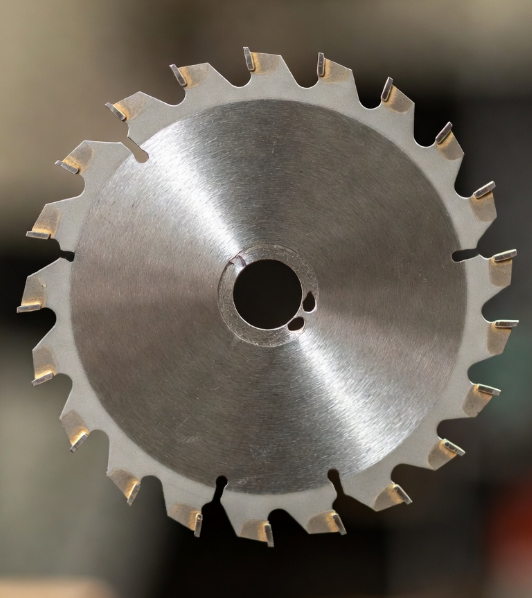
Woodworking covers a broad range of techniques — from rough dimensioning to fine finish work. Choosing a blade requires matching tooth geometry, gullet size, and plate thickness to the cut you need. For fast ripping cuts through wide stock, blades with fewer, deeper gullets and larger tooth spacing help clear chips and avoid burning. For crosscuts or surface work on finished pieces, a blade with a higher tooth count and alternate top bevel or triple-chip grind will tend to leave a cleaner edge. For composite materials and veneered boards, look for tooth designs that reduce chipping and provide a steadier feed.
Dimensioning and milling: When removing large amounts of material with a table saw or panel saw, a blade that balances chip clearance and stability helps avoid overload on the motor and reduces the chance of overheating. A stable blade with a moderate body thickness resists wobble and keeps cuts square.
Crosscutting and finishing: For cabinetry and furniture parts that require smooth end grain or mitred joints, a finer-toothed blade reduces tear-out and minimizes sanding. This makes it easier to glue and finish without extensive post-processing.
Resawing and thicknessing: Slicing thin veneers or reducing board thickness on a bandsaw or large circular saw calls for a blade with appropriate kerf width and tooth set. A narrower kerf minimizes material waste but must still provide strength to prevent flex under load.
Cutting engineered boards and laminates: Engineered woods present unique challenges. Blades designed with special carbide grades or anti-friction coatings can help with heat management and reduce gumming on glue-rich boards, yielding neater edges and fewer edge splinters.
Joinery and decorative cuts: Dado heads, grooves, and slot cutting require attention to blade profile and rake. Using stacked dado blades or specialized cutters gives predictable results when building shelves, drawer components, or inlay features. For decorative work where edge appearance matters, a blade that produces smooth kerfs decreases the need for filler or patching.
A blade is only as effective as the setup around it. Always confirm the saw is powered off and unplugged before changing blades. Inspect arbor nuts and flange faces for damage; a clean, flat seating surface prevents runout that causes vibration and poor cut quality. Use correct blade speed for the saw and material, and ensure fences and miter gauges are set square to the blade.
Personal protective equipment remains essential. Push sticks, featherboards, and anti-kickback devices protect hands and keep the workpiece under control. Clear the work area of offcuts and maintain good lighting so sightlines remain clear during the cut.
Regular maintenance increases blade consistency and serviceable life. Keep blades free of pitch and resin build-up by using appropriate cleaning methods; this helps maintain sharpness and reduces heat-related issues. Periodic inspection for chipped teeth or loose carbide tips will signal when it is time to sharpen or replace a blade. When sharpening is appropriate, follow the original tooth geometry to preserve intended cutting behavior.
Thin-kerf blades reduce waste and ease the load on smaller motors, making them suitable for portable table saws and jobsite equipment. Heavier-plate blades will be more stable on stationary saws where torque and precise tracking matter. Consider the saw's RPM and recommended blade sizes when selecting a replacement to preserve safe operating limits.
For workshop professionals who rotate through varied jobs, having a small selection of blades matched to common tasks reduces time spent switching tools or correcting errors. Hobbyists will find that learning how different tooth patterns affect the cut pays dividends in finish quality and safety. In both settings, choosing blades that are compatible with existing saws, and maintaining them with a modest care routine, offers better long-term value than repeatedly buying lower-grade replacements.
Carbide formulations have evolved beyond simple hardness increases. Engineers now balance carbide grain size, binder composition, and matrix treatments to create tips that retain sharpness while resisting chipping under impact. Refinements in carbide chemistry reduce micro-fractures and support predictable wear patterns, so cutters keep a useful edge through extended cycles of use. These nuanced changes matter especially when working with dense hardwoods, laminated panels, or abrasive additives found in some engineered boards.
How the carbide tip is joined to the steel body affects both durability and repairability. Modern brazing processes focus on clean, uniform joints that avoid voids and maintain concentricity. Improved pre-treatment of tip and plate surfaces, along with controlled brazing atmospheres, reduce the risk of weak joints. Some manufacturers have also explored brazing alloys that provide better thermal expansion match, reducing stress at the joint during rapid heating and cooling in heavy use.
Tooth design remains a core area of innovation. Rather than simply increasing tooth count, designers model how each tooth engages the workpiece at a microscopic level. Subtle changes in rake angle, hook, and relief reduce vibration and lower cutting forces. Variable tooth spacing and hybrid grinds help to minimize noise, reduce chip packing, and produce cleaner edges on diverse materials like veneered boards and melamine. These designs often let a single blade perform well in multiple tasks without dramatically sacrificing finish quality.
Coatings that reduce friction and resist adhesive build-up help blades run cooler and cut cleaner. Modern thin-film coatings can be applied to both tips and the substrate to reduce resin accumulation and lessen heat transfer during prolonged cuts. In addition, anti-corrosion finishes and passivation steps protect the steel body during storage and in humid environments, extending the time between maintenance cycles.
Beyond the teeth, the blade body itself has seen improvements. Laser-cut stabilizing vents, tensioned flatness control, and selective annealing reduce wobble and minimize harmonic vibration. These features increase cut accuracy and reduce the perceptible strain on the saw motor. A more stable blade also reduces the need for repeated alignment checks, which benefits daily productivity in both small shops and professional settings.
Selecting a carbide-tipped blade involves matching saw capacity, typical material mix, and desired surface finish. Consider blade diameter and bore compatibility, recommended RPM, and whether thin-kerf or heavier-plate designs suit the saw motor. For those who alternate between jobsite equipment and stationary machines, keeping a compact set of blades that covers the common materials in your workflow reduces downtime and simplifies inventory.
Innovations in TCT and carbide-tipped woodworking blades combine advances in materials science, precision assembly, and practical design to improve consistency and user experience. While no single feature replaces sound setup, good feed technique, and regular maintenance, modern blades offer a broader range of workable solutions for varied wood materials. Choosing the right blade for a given saw and application, and then caring for it according to manufacturer guidance, helps convert technical gains into better everyday outcomes in the workshop.

 4008-253-777
Industrial Zone, Furong Town, Yueqing City, Zhejiang Province, China


+86-0577-62298888
+86-0577-62299999

+86-0577-62295777
+86-0577-62297777
Copyright © Fangda Holding Co., Ltd. All Rights Reserved
Metal Drill Bit Sets Suppliers
