



Industry News
Selecting the appropriate cutting tool can influence the quality of a finished part, the time a task requires, and the experience of the operator. When faced with a variety of options, focusing on how the blade interacts with the material and the saw setup will help you make a sensible choice. This article outlines practical considerations and straightforward guidance to help you match a blade to common cutting tasks. The brand FangDA appears here as an example of a manufacturer that offers a range of products intended for different uses.
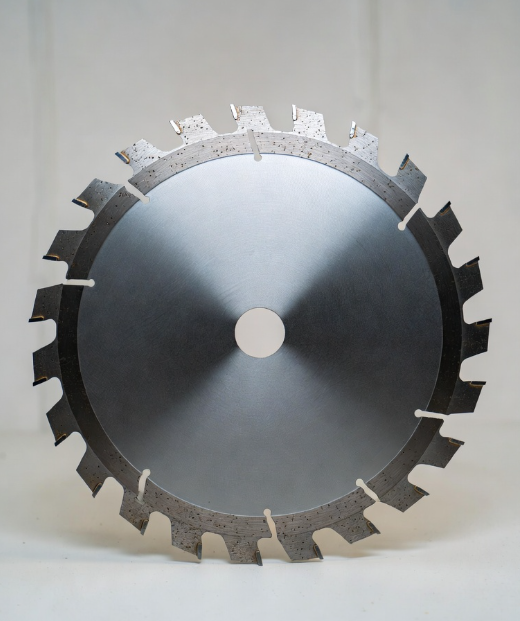
Every material behaves differently under a saw. Natural wood tends to be forgiving but can chip on crosscuts; engineered boards may have glue lines that dull teeth faster; plastics can melt or chip depending on feed rate; and non-ferrous metals require teeth designed to remove chips without binding. Start by identifying whether your priority is a clean finish, fast removal of material, minimal waste, or long service life. That priority will determine the type of tooth geometry and the blade construction that suit your work.
Tooth shape affects chip formation and edge finish. For example, alternate top bevel styles produce small, clean chips on wood and laminates, while trapezoidal or triple-chip grind shapes are common where more material must be removed from harder substrates. Tooth size and spacing influence how the blade clears material — closely spaced teeth often yield a smoother cut but can increase friction; wider spacing clears chips more readily but may leave a rougher edge. Consider the nature of the cut: trimming and finish cuts favor finer geometries, whereas heavy ripping or metal cutting calls for more robust tooth forms.
A blade's thickness and the resulting kerf affect both the cut and the load on the saw. Thinner kerfs reduce material loss and can lower power demand, which may be helpful on smaller machines. Wider kerfs can provide additional stiffness for long or heavy-duty cuts. Choose a blade thickness that fits the saw's capabilities and the tolerances required for the job. If the saw or the workpiece requires very tight dimensional control, prioritize a blade that maintains stability throughout the cut.
Blade diameter must be compatible with the saw's arbor and the clearance available in the machine housing. While specific sizes are a mechanical consideration, ensure that the selected blade can be safely mounted and that guards and fences function correctly with it in place. Proper seating on the arbor and secure fastening are fundamental to safe operation and consistent results.
Blade performance is tied to how the saw is used. Pushing material too quickly can cause tearing or overheating; moving too slowly can burn the workpiece or blunt teeth. Match feed rate and speed to the material and blade type. For thin or flexible materials, support the workpiece to avoid vibrations that may cause chipping. For dense or abrasive substrates, adopt a steady, controlled feed to reduce stress on the cutting edge.
Certain materials and prolonged cutting sessions can produce high temperatures that affect tooth integrity. Where appropriate, consider cooling or lubrication methods recommended for the type of cutting being performed. Effective dust extraction keeps the work area clear, reduces airborne particles, and can prevent buildup on the blade that would otherwise impede cutting performance. Regular cleaning of the blade body and teeth also helps maintain cutting quality.
Correct installation is a critical step often overlooked. Ensure that the blade is mounted in the correct orientation and that the saw's guard, riving knife, and fence align with the blade's plane. Check for wobble or runout before use; slight misalignment can lead to uneven cuts and faster wear. Use protective equipment and follow the saw manufacturer's safety instructions. A secure, well-adjusted setup protects both the operator and the material.
A well-maintained blade will serve more predictably. Keep teeth free of resin or adhesive deposits and inspect them before each use for chips or missing tips. When the cutting edge dulls or shows damage, consulting a sharpening service can restore geometry and extend life. If the blade repeatedly generates poor finishes despite sharpening, it may be time to replace it. Indicators that replacement is appropriate include persistent chipping, excessive noise, or a consistent need to increase feed force.
Some materials present unique challenges and benefit from specific blade choices. Laminates and veneered boards can benefit from a blade designed to minimize tearout on the face side. Thin sheet materials and plastics require blades that resist melting and maintain a fine edge. For non-ferrous metals, select tooth forms and grades that accommodate the metal's hardness and chip-forming tendencies. When in doubt, seek guidance from the blade's technical literature or from a supplier familiar with the application.
Choosing the right cutting blade affects the outcome of a project and the experience of the operator. When various blade types are presented, the differences are not always obvious. This article compares three common blade technologies and offers practical guidance on matching a blade to a material and a workflow. The phrase TCT Circular Saw Blade is included once below to meet the request; the rest of the discussion uses concise terms and practical descriptions.
Blades are defined by the material used for the cutting edge and the way that edge is attached to, or formed from, the body. One approach uses a hard metal tip brazed or welded to a steel body; another uses a high-speed steel edge made from a uniform alloy; a third produces cutting edges from sintered carbide material. Each arrangement affects wear behavior, toughness, heat tolerance, and how the blade responds to resharpening. Rather than focus on absolute labels, consider how the blade's construction aligns with the demands of the workpiece and the operating environment.
| Feature | TCT Blades | HSS Blades | Solid Carbide Blades |
| Cutting Edge Structure | Carbide tips attached to steel body | High-speed steel throughout | Fully carbide construction |
| Wear Resistance | Suitable for repeated cutting tasks | Moderate wear resistance | High resistance to abrasion |
| Toughness | Balanced toughness and hardness | Good toughness | Lower impact tolerance compared to steel |
| Heat Tolerance | Designed to handle sustained cutting heat | Performs well at moderate speeds | Maintains hardness at elevated temperatures |
Cutting involves abrasion, impact, and heat. Some edge materials resist abrasion well but can be affected by impact; others tolerate deformation but wear faster under abrasive conditions. The type of chips produced and how they are evacuated also influence edge life. For materials that generate fine, abrasive dust, an edge material that resists abrasive wear will generally keep a sharper profile for longer. For operations with repeated impacts against hard inclusions, an edge that offers greater toughness may resist tip breakage.
Different edge materials tolerate heat differently. Under continuous cutting or in applications where cooling is limited, the geometry and material choice influence how quickly the edge softens or dulls. A blade designed to handle higher temperatures will maintain geometry longer under those conditions. In practice, matching cutting speed and feed method to the blade and material reduces heat buildup and enhances performance.
Beyond the edge material, tooth shape and spacing shape the finished surface. Fine geometries often produce cleaner edges on wood and laminates, while more aggressive tooth profiles help clear chips when cutting dense or compact materials. If surface appearance is a priority, select a tooth form that minimizes tearout for that substrate. For cuts where chip removal and fast material reduction are the goals, choose a configuration that clears abraded material efficiently.
Some substrates present specific challenges. Laminated boards and veneered surfaces need attention to both face and back tearout. Plastics may soften and smear if feed rates or blade temperatures are inappropriate. Non-ferrous metals require teeth and grades that form and evacuate chips without binding. When a blade is matched to the material family and the desired finish, waste is reduced and cycle consistency improves.
A blade's lifecycle is influenced by its ability to be resharpened and by how many times that process can be repeated without compromising geometry. Some edge materials allow multiple resharpening operations while maintaining cutting form; others can be restored only a limited number of times before dimensions or tooth geometry drift beyond acceptable limits. Consider the ease and cost of resharpening when estimating total cost of ownership and when planning for blade rotation in production.
Selecting a blade is a balance of material compatibility, desired finish, machine capability, and maintenance strategy. By clarifying the primary goal for each task, testing candidate blades in realistic setups, and following sound mounting and maintenance practices, shops and individual users can achieve consistent outcomes with less downtime. Keep safety and compatibility central to every choice, and rely on practical trials and technical guidance to validate selections.
Choosing an appropriate cutting tool is a pragmatic activity grounded in material science, machine dynamics, and operator practice. Thoughtful selection, routine care, and real world testing help align expectations with day to day performance. When considering options, consult technical resources and verify fit with machine requirements before placing an order.
 4008-253-777
Industrial Zone, Furong Town, Yueqing City, Zhejiang Province, China


+86-0577-62298888
+86-0577-62299999

+86-0577-62295777
+86-0577-62297777
Copyright © Fangda Holding Co., Ltd. All Rights Reserved
Metal Drill Bit Sets Suppliers
