



Industry News
Construction and installation work often depends on openings that may seem small but serve an important purpose. A cable may need to pass through a panel. A pipe may need a route through a cabinet. A fixture may require a prepared opening before it can be installed. These tasks appear simple, yet the way an opening is created can affect the work that follows.
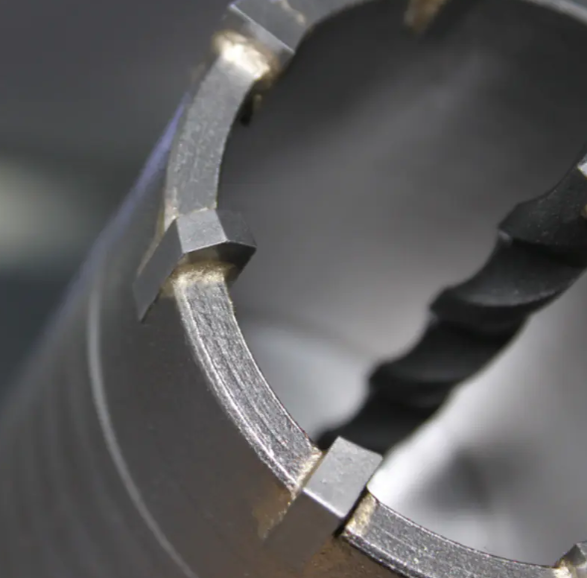
This is where hole saws have a practical role. China Hole Saw are available for different materials and working situations, making them part of many tool selections used in construction, renovation, maintenance, and installation. Their value is closely connected to application. A tool designed for one material should not automatically be used for another.
For installers, the choice often starts with a basic question: what needs to be cut, and what will happen after the opening is made? Looking at the complete installation process can make hole saw selection more sensible and can help workers avoid unnecessary cutting or rework.
Many construction tasks do not require a large section of material to be removed. They need a defined opening for another component. A hole saw is designed around this type of work, which makes it useful when installing pipes, cables, fittings, handles, vents, and other components.
The circular cutting format can also fit naturally into installation planning. Instead of making a larger cut and adjusting the material afterward, workers can prepare an opening around the area where the component will be positioned. This can be particularly useful when the finished surface needs to remain relatively neat.
Hole saws can appear in several areas of construction and workshop work:
The actual tool should always match the material and intended application. A hole saw suitable for wood, for example, should not simply be assumed to be appropriate for metal or finished tile surfaces. The manufacturer's application guidance remains important when making that choice.
Wood is common in construction, furniture, cabinet, and interior installation work. Openings may be needed for cables, pipes, fittings, handles, or other components. In these situations, a hole saw can become part of the preparation process before the final installation takes place.
Cabinet work provides a simple example. A worker may need to create an opening through a cabinet panel so a cable or pipe can pass through without requiring a larger section of the panel to be removed. The location of the opening matters because it needs to work with the components around it.
Wood products are not all identical. Solid wood, engineered boards, laminated panels, and other materials can behave differently during cutting. Surface finishes can also influence the appearance of the finished opening. For that reason, the cutting tool should be selected according to the actual material rather than simply being labeled as a general wood tool.
Before cutting, workers can consider:
This approach keeps the cutting task connected to the final installation rather than treating it as a separate operation.
Metal panels and housings can also require planned openings. Electrical cabinets, equipment covers, fixtures, frames, and other metal components may need space for cables, fittings, or related parts. A hole saw intended for metal applications can be useful when a circular opening is required.
The type of metal matters. Different materials can respond differently to cutting, and a tool designed for one application may not be suitable for every metal surface. Workers should therefore check the intended application before using a particular hole saw.
Access can also change the situation. A metal panel on a workbench is relatively different from a panel that has already been installed in a narrow area. The installer may need to consider the available working space, the position of nearby components, and how the tool can be handled without interfering with the rest of the installation.
A practical selection check can include:
These questions can help reduce unnecessary tool changes and make the preparation stage easier to plan.
Electrical installation often involves cables, conduits, cabinets, panels, and fittings that need carefully positioned openings. A hole saw may be used to prepare these passages before the cable or related component is installed.
The cutting stage needs to be planned around the complete electrical layout. An opening that looks convenient from the outside may not be suitable if it interferes with existing wiring or another component behind the surface. Workers should inspect the area and follow the safety procedures that apply to the particular installation.
Hole saws can also be useful when modifying existing equipment. During maintenance or renovation, an installer may need to add a new cable route without replacing the entire panel. A controlled opening can provide a practical path while keeping the modification focused on the required area.
Several factors deserve attention during this type of work:
The hole saw handles the opening task. The wider electrical installation still requires professional planning and safe working practices.
Plumbing work can involve passing pipes through cabinets, panels, walls, and other structures. When the required passage is circular, a suitable hole saw can simplify the preparation stage.
Cabinet installation is one example. A pipe may need to pass through the side or back of a cabinet before connecting with another part of the system. The opening needs to be positioned correctly so that the pipe can reach its intended location without creating unnecessary interference with shelves, fittings, or other components.
Renovation work can make this more challenging. Existing structures may already contain pipes, cables, or other hidden elements. Workers need to inspect the area before cutting and should follow the procedures required for the particular project.
The material also influences the choice of hole saw. A wooden cabinet, metal panel, plastic component, and finished surface should not automatically be approached in the same way. The selected tool should be intended for the material being cut.
For plumbing-related work, installers can pay attention to:
The purpose is to create an opening that supports the next installation step without introducing unnecessary changes to the surrounding structure.
Ventilation work can require openings through panels, ceilings, boards, equipment housings, and other building materials. Some vents and related components use circular connections, making a hole saw a natural option for certain preparation tasks.
The work often involves more than simply cutting a surface. Installers need to understand where the opening belongs and what lies behind it. A ceiling or panel may contain other systems that cannot be seen from the working side.
This is particularly relevant during renovation. Existing buildings can contain electrical wiring, plumbing, insulation, structural elements, and previously installed equipment. Before creating a new opening, workers should confirm that the planned location is appropriate.
A useful preparation process may include:
This keeps the cutting process connected to the ventilation system rather than treating the opening as an isolated task.
Renovation projects often require changes to existing structures. A new cable route, pipe connection, cabinet fitting, or ventilation component may need an opening that was not part of the original installation.
This is where controlled cutting can be useful. Instead of removing a larger section of material, an installer can create an opening around the area required for the new component. The approach can be practical when the surrounding structure needs to remain in place.
Existing surfaces also require more attention before cutting. A finished wall, panel, or cabinet may contain hidden services. The visible surface does not always reveal what is behind it. Inspection should therefore be part of the preparation process.
Renovation teams can consider the following points:
| Consideration | Why It Matters |
|---|---|
| Existing structure | Helps identify possible obstacles |
| Surface material | Guides hole saw selection |
| Hidden services | Helps avoid unwanted damage |
| Opening location | Keeps the new component aligned |
| Finished appearance | Influences how the opening should be prepared |
| Access | Determines how comfortably the tool can be used |
The tool should support the renovation plan rather than determine it. The required opening comes from the installation need, and the hole saw is selected to suit that need.
Material compatibility is one of the main factors in hole saw selection. Construction projects can involve wood, metal, plastic, panels, tile, and other surfaces. A tool that works for one material should not automatically be treated as a universal option.
The cutting method can also depend on the condition of the material. A loose panel on a workbench creates different working conditions from a finished surface that is already part of a building. The location and accessibility of the job can influence the practical choice.
For buyers and installers, it can help to consider the following:
China Hole Saws can be found across different application categories, so selection should focus on the actual work rather than the country of manufacture alone. Product range can be useful when a project involves several materials, but each individual tool still needs to be matched with its intended task.
A hole saw is a relatively small part of a construction project, but preparation can influence the result. Before cutting, workers should understand the material, confirm the location, inspect the surrounding area, and make sure the selected tool is appropriate for the task.
Tool condition also deserves attention. A hole saw that has been stored in a damp location or mixed loosely with other tools may need cleaning and inspection before use. Construction environments can expose tools to dust, moisture, and other residue, so post-use care should be included in the normal workflow.
A practical checklist can include:
These habits can make hole saw use more consistent across different construction and installation environments.
The role of China Hole Saws is closely tied to the need for prepared openings. From cabinet work and electrical installation to plumbing, ventilation, equipment assembly, and renovation, the tool can become part of many different workflows when its application matches the material and installation requirement.

 4008-253-777
Industrial Zone, Furong Town, Yueqing City, Zhejiang Province, China


+86-0577-62298888
+86-0577-62299999

+86-0577-62295777
+86-0577-62297777
Copyright © Fangda Holding Co., Ltd. All Rights Reserved
Metal Drill Bit Sets Suppliers
