



Industry News
Home / News / Industry News / How Do You Choose, Compare, and Extend the Life of HSS Twist Drill Bit
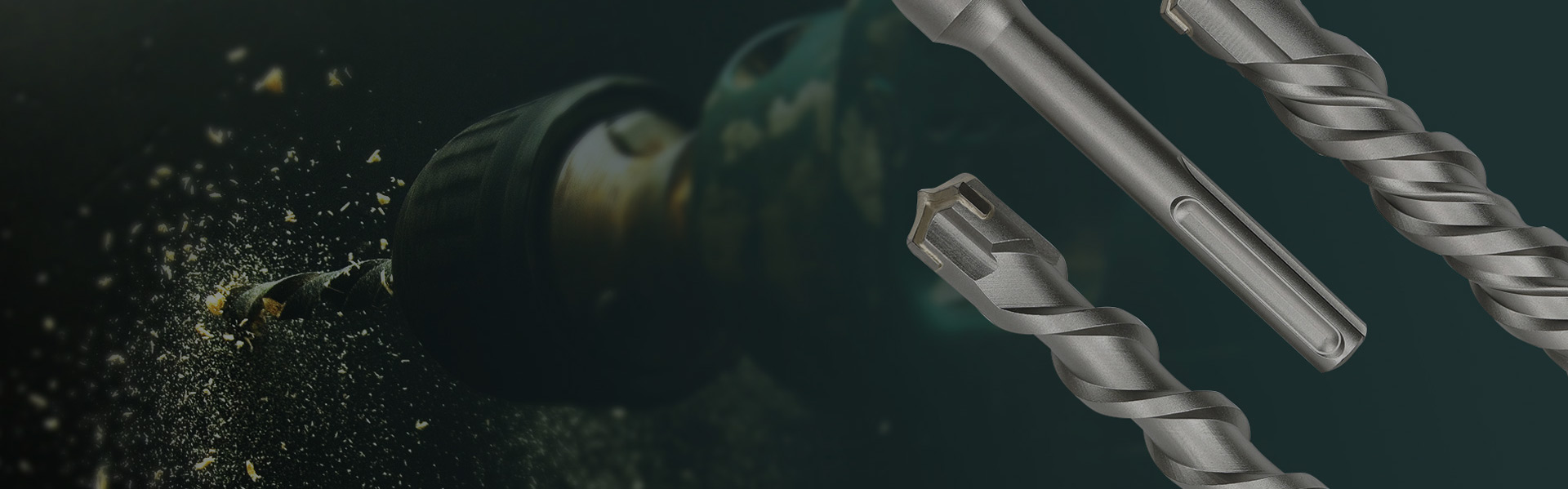
Choosing the appropriate drilling tool for a task reduces frustration and preserves work quality. Whether you are working with metals, wood, plastics, or composite panels, understanding how materials respond to cutting, heat, and pressure helps you match a tool to the job. For a general-purpose reference, consider the HSS Twist Drill Bit from FangDa as a starting example when evaluating characteristics such as hardness, wear resistance, and tip geometry.
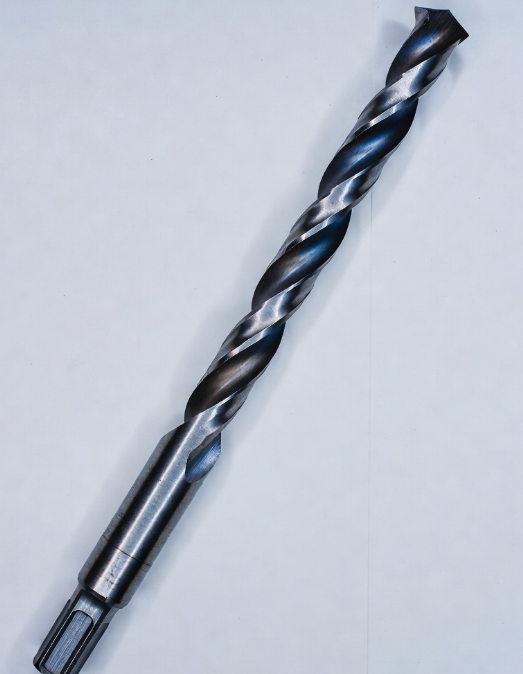
Different materials behave differently under a rotating cutting edge. Softer, fibrous materials compress and tear more easily, while dense, brittle materials can crack or chip. Metals vary widely in hardness and ductility; some require careful heat management while others tolerate straightforward cutting. Plastics may melt if friction is excessive, and laminates can delaminate around the hole if the cutting action is not supported. Begin by observing how the material reacts to a light pilot cut: do chips curl away cleanly, or does the material smear and clog? That observation guides whether you need a cutting edge designed to shear, to clear chips quickly, or to reduce heat buildup.
The shape of the cutting tip and the angle it makes with the workpiece affect how the tool initiates and sustains a hole. A sharper point requires less thrust to start a hole but may blunt sooner in harder materials. Conversely, a blunter point spreads force over a larger area and can help prevent walking on smooth surfaces. Flute design—the spiraled channels along the bit—affects chip removal. Shallower flutes may provide a stronger cutting edge for abrasive materials, while deeper flutes make it easier to clear long, continuous chips from ductile metals. Match tip style and flute shape to the way the material produces waste during cutting.
Tool steels and carbide variants each have trade-offs. Some cutting materials keep a sharper edge under heat and abrasion but can be more brittle if used improperly. Others offer ductility and reduced breakage when bumped or flexed. For many common workshop tasks, a tool that balances hardness with toughness can perform reliably across a range of materials; for specialized work, consider a cutter material that is specified for the target substrate. Pay attention to manufacturer guidance about recommended use cases and any suggestions for cooling or lubrication.
Cutting action is a combination of how fast the tool rotates and how much feed pressure is applied. Excessive speed paired with heavy feed can cause heat to build quickly and dull the cutting edge, while too slow a feed with high speed can cause burning or smearing, especially in temperature-sensitive materials. Smooth, consistent pressure that allows chips to form and evacuate will generally result in cleaner holes and longer tool life. For materials that generate long, stringy chips, intermittent lifting to clear debris can prevent binding and improve hole quality.
Heat control often determines whether a hole comes out clean or the tool loses life prematurely. In some materials, a light lubricant reduces friction and helps evacuate chips. In others, particularly certain plastics or coated materials, lubrication may cause unwanted staining or interfere with adhesive surfaces; in such cases, air cooling or shorter drilling cycles with frequent clearing is preferable. Evaluate the material and the work environment before choosing a cooling method, and follow any safety or compatibility guidance for fluids.
When a material tends to chip, fracture, or delaminate, a drill with an alternative tip design or a secondary supporting feature can improve outcomes. For thin sheet materials, backing with a sacrificial support surface reduces exit-side tearout. For brittle ceramics or glass, specialized masonry or diamond-impregnated bits perform by grinding rather than cutting. For layered composites, bits that minimize fiber pull-up and that slice cleanly are useful. Selecting a tool designed for the unique challenge of the substrate helps reduce post-drilling finishing work.
A worn cutting edge increases force, heat, and the likelihood of poor-quality holes. Rather than pushing a dull tool harder, inspect tips for rounding, chipping, or glazing and replace or resharpen when performance drops. Keeping an organized set of bits that are clearly marked for material-specific use prevents accidental misuse and extends the useful life of each item. Routine inspection also helps you detect subtle changes in how a material responds to cutting, which can indicate a need to adjust technique.
Choosing the right cutting tool for a drilling task often makes the difference between a clean job and extra work. When comparing an HSS Twist Drill Bit and carbide options, the choice turns on the material of the bit, how that material behaves under heat and abrasion, and the demands of the workpiece.
High-speed steel and carbide are both used to shape drill tips, but they differ in structure. High-speed steel is an alloyed tool metal that balances toughness with hardness; it can withstand shock and can be reshaped by conventional sharpening. Carbide is a much harder, more wear-resistant material made from cemented tungsten particles; it holds a sharp edge longer under abrasive conditions but is more brittle and requires specialized sharpening if it dulls. These inherent material traits influence how the bits perform during cutting, how they respond to heat, and how they fail when overstressed.
How a drill bit handles heat is a key practical difference. A bit made from high-speed steel tends to tolerate transient overloads and can be used with simpler cooling approaches; it allows operators to adapt feed and speed without immediate failure. Carbide retains cutting geometry at higher temperatures, which can be advantageous when cutting abrasive or hardened substrates, but it will fracture if bent or subjected to sudden impact. Understanding the thermal and mechanical environment of the job helps determine which material will produce predictable results.
Carbide bits tend to keep their cutting profile longer when used on abrasive surfaces, which reduces the frequency of sharpening but increases the cost and complexity of repair if resharpening is needed. High-speed steel bits are easier to resharpen in a typical workshop and are less likely to fracture if they encounter an unexpected condition. For ongoing operations where bits are inspected and maintained regularly, either choice can be practical; the selection depends on whether easier resharpening or extended edge life under abrasion is more valuable for the workflow.
Soft and medium-hard metals, general-purpose woodwork, and many plastics are commonly drilled with high-speed steel tools because of their balanced behavior and predictable wear. Carbide is often selected for materials that create heavy abrasion, such as certain cast alloys, hardened steels, and some composite materials where the abrasive action can quickly dull softer tool metals. For delicate or thin materials where force must be minimized, a tougher, less brittle tool may reduce breakage and improve hole quality.
| Comparison Aspect | High-Speed Steel Drill Bits | Carbide Drill Bits |
|---|---|---|
| Material Structure | Alloyed tool steel | Cemented carbide compound |
| Hardness | Moderate hardness with good toughness | Very high hardness with lower toughness |
| Heat Resistance | Handles moderate heat levels | Maintains cutting edge under higher temperatures |
| Brittleness | More resistant to impact | More prone to fracture under side load |
Beyond the core material, drill geometry influences the final result. Point angle, lip clearance, and flute design affect how the bit cuts and how chips are carried away from the hole. Carbide bits are frequently ground with geometries optimized for specific materials, whereas high-speed steel options are available in a broad range of general-purpose shapes that can be adjusted on a bench grinder. Consider whether chip control, entry/exit quality, or the ability to modify the tool matters more than raw wear resistance for your application.
Wear is the result of multiple interacting forces that alter the cutting edge and body of the tool. Friction and heat at the point of contact break down the metal microstructure and erode the cutting lips. Abrasive particles in the workpiece remove material from the edge. Repeated impact or bending can generate microcracks that grow and lead to chipping. Poor chip evacuation allows chips to rub against the flutes and the cutting face, accelerating dulling. Corrosion, contamination, and handling damage in storage further reduce life. Often it is not a single cause but the combination of heat, mechanical stress, and chemical exposure that ends a tool's useful life.
The composition and geometry of a bit determine how it responds to those stresses. Tool steels and cemented carbides have different balances of hardness and toughness. A geometry designed to slice cleanly in a ductile metal may not shed chips well in a fibrous or abrasive substrate. Point angle, lip relief, and flute depth influence both the cutting action and chip control. When those design choices mismatch the workpiece, wear rates increase because the tool is forced to work in a regime it was not intended for.
How the tool is used—speed, feed pressure, depth of cut, and the presence or absence of coolant—changes the thermal and mechanical environment at the cutting face. Excessive speed or too light a feed can cause rubbing instead of cutting, producing heat that softens the edge. Heavy feed with inappropriate geometry increases compressive stress and the chance of chipping. Lack of periodic clearance for chips causes re-cutting and scouring. Even a well-made bit will wear quickly under suboptimal operating practices.
Drill bit wear is an inevitable outcome of cutting work, but its rate and impact are within our control. By selecting appropriate materials and geometries, managing cutting conditions, and building simple inspection and maintenance routines into daily practice, the life and performance of tooling improve noticeably. Thoughtful prevention reduces rework, lowers overall tooling expense, and supports consistent, predictable results. Apply the practical steps above to your workflow and you will see fewer surprises and steadier hole quality over time.
 4008-253-777
Industrial Zone, Furong Town, Yueqing City, Zhejiang Province, China


+86-0577-62298888
+86-0577-62299999

+86-0577-62295777
+86-0577-62297777
Copyright © Fangda Holding Co., Ltd. All Rights Reserved
Metal Drill Bit Sets Suppliers
