



Industry News
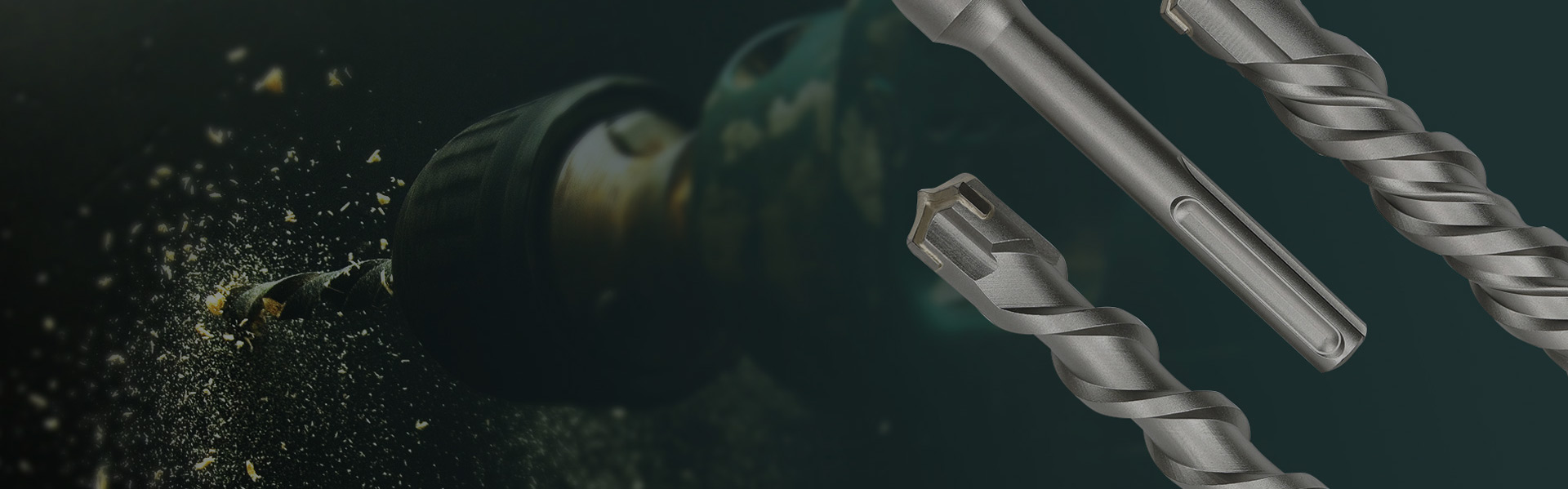
In recent months the construction sector has shown renewed attention to tool choices that balance predictable performance with consistent lifecycle economics. One product line drawing notice on manufacturer's pages and distributor catalogs is the hammer drill bit range offered through the FangDa channels.
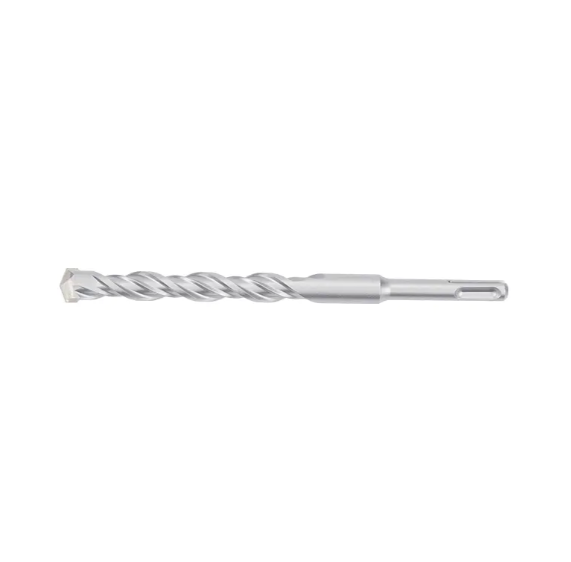
Groundworks, retrofit projects and mechanical installations place frequent, repeated demands on bits and cutting heads. Labor time, downtime waiting for replacement parts, and rework caused by inaccurate holes all accumulate as project costs. As attention on schedule and resource optimization grows, so does scrutiny of consumables that historically have been bought by lowest upfront cost. The conversation has shifted toward evaluating total cost of ownership: lifespan under heavy use, predictable removal of spoil, and compatibility with modern hammer drills and SDS systems. These trends create space for deeper looks at specific product geometries, tip materials, and shank standards.
A hammer drill bit is designed to work with percussion-enabled drills: the tool imparts both rotary motion and rapid impact force so the cutting edge fractures brittle materials like concrete and brick rather than plastically deforming them. Design elements that distinguish masonry bits include specialized flute geometry for chip evacuation, carbide-tipped cutting faces to resist abrasive wear, and shank profiles that match hammer tool chucks such as SDS-plus or SDS-max. FangDa's product pages list several variants—U flute, LD flute, W flute and dual-cutter heads—each aimed at different combinations of drilling speed, dust extraction and bit life.
When evaluating a masonry bit, practitioners should focus on measurable attributes rather than marketing hyperbole. Consider:
These aspects affect labor time, re-drilling rates, and the frequency of bit rotation or replacement. FangDa materials present different geometries and tip grades intended to address those variables; inspection of sample parts and short field trials are useful steps before wide deployment.
The selection process benefits from matching the bit geometry to installation conditions rather than picking purely on advertised speed claims.
Advertising and specification language must stay within regulatory boundaries. Claims about "lifetime" or "indefinite" durability should be avoided unless certified test data supports them. Likewise, guarantee wording must be careful: warranties can be valid but should be explicit about what they cover—manufacturing defects versus normal wear, for example. For safe operation, industry practice calls for eye protection, dust suppression or extraction during masonry drilling, and routine checks for bit straightness and tip integrity. Manufacturers typically include usage guidance on their technical pages; installers should follow both tool and consumable recommendations to remain within workplace safety expectations.
These practices help extend the useful life of consumables while maintaining hole quality.
Storing bits clean and dry reduces corrosion risks and preserves tolerances. Where possible, keep records of bit life by application: logging how many holes or hours a particular geometry withstands in a given material mix creates a repeatable procurement plan. For procurement teams, evaluating consumables should include sample testing within typical site conditions to confirm expected performance metrics such as hole accuracy, mean time to replacement and failure modes.
Project managers should request representative samples, test them on typical substrates and document the outcomes. Compare lifecycle costs—purchase price plus replacement frequency—rather than unit price alone. Also check compatibility with the fleet of hammer drills on site and confirm that supply lead times match project cadence. Manufacturing partners often publish technical notes about intended uses of different flute and tip combinations; these can be a starting point for pilot selection.
These are operationally relevant points that reduce surprises after deployment.
Shank standardization, dust control regulations, and the demands of dense urban retrofits push manufacturers toward modular choices: tip grades specific to abrasive mixes, flute variants for dust flow, and shank options for different tools. Product listings from reputable manufacturers typically include a matrix of recommended uses for each model; purchasers can use that matrix to match features to the intended job.
Innovations that affect day-to-day use are likely to come from incremental improvements in tip metallurgy, more refined flute profiles for cleaner extraction, and shank designs that reduce interface wear. Equally important will be data: contractors who collect empirical bit-life metrics across tasks will be better positioned to evaluate new products and to quantify procurement decisions.
Choosing the right masonry bit is a decision of trade-offs: cutting rate versus tip longevity, chip clearance versus alignment, and shank fit versus universal compatibility. Evaluating these trade-offs in realistic on-site conditions produces the most useful procurement signals. FangDa’s masonry lineup spans multiple flute geometries and tip grades intended to serve varied applications; the firm's catalog and product descriptions can serve as a starting point for selection and trial. Where measurable field data are lacking, short pilot tests help translate manufacturer descriptions into site-ready expectations

 4008-253-777
Industrial Zone, Furong Town, Yueqing City, Zhejiang Province, China


+86-0577-62298888
+86-0577-62299999

+86-0577-62295777
+86-0577-62297777
Copyright © Fangda Holding Co., Ltd. All Rights Reserved
Metal Drill Bit Sets Suppliers
