



Industry News
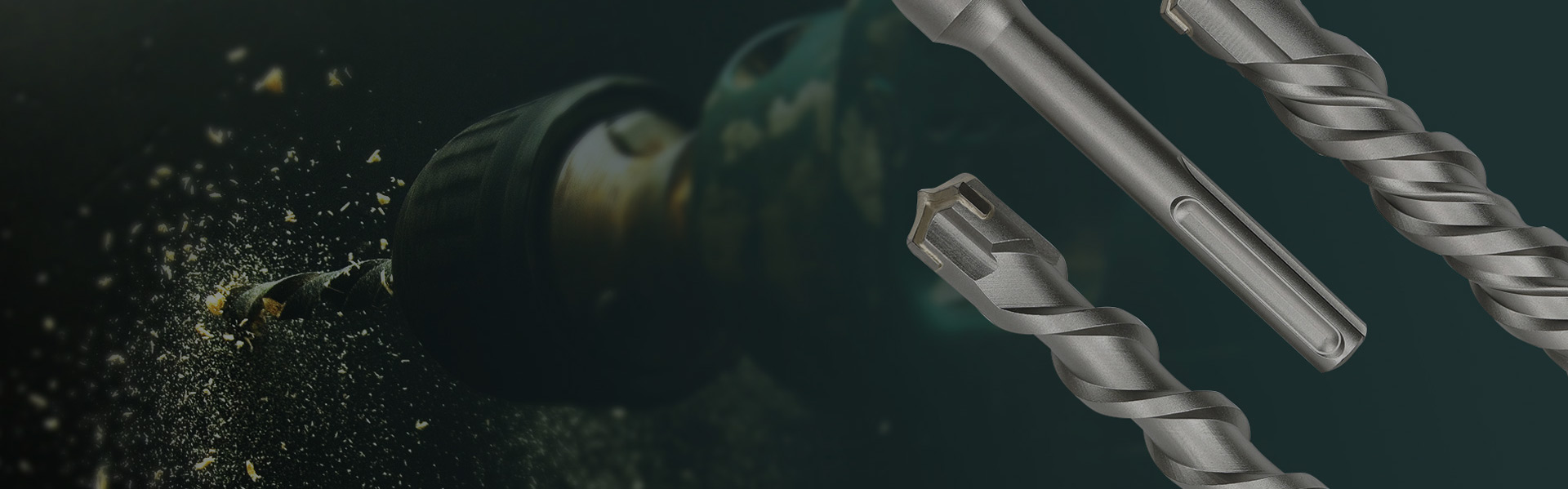
In recent months the construction and renovation sectors have seen renewed attention on tools that balance manageability with performance. One model attracting industry discussion is the FangDa SDS Plus Hammer Drill, a rotary-percussion tool positioned for routine drilling tasks into concrete, brick, and similar substrates. The device is built around the SDS Plus fastening system, a widely adopted interface that simplifies bit changes and stabilizes the transfer of percussive energy from tool to bit. Product literature from the manufacturer describes a focus on secure bit retention and consistent impact transmission, traits that contractors and installers often cite when evaluating jobsite gear.
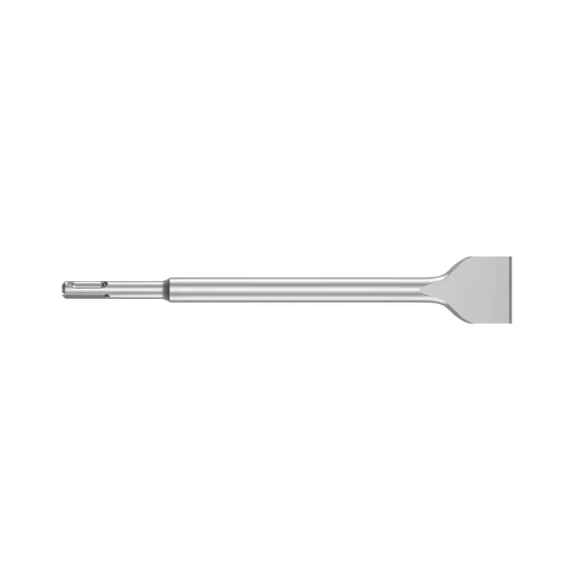
SDS Plus is not a marketing label but an engineering standard. It denotes a slotted drive system that allows bits to slide into the chuck and lock without additional adapters, while still permitting a degree of axial float that supports the hammering action. That arrangement supports fast accessory swaps and helps keep alignment under impact loads, which is why SDS Plus remains common for handheld rotary hammers used in residential and light commercial work. Guides for trade professionals note that the system is especially useful where frequent tool changes and serial hole drilling are routine.
The unit from FangDa is described by the maker as occupying this familiar category: it uses the SDS Plus shank standard and is targeted at drilling into hard masonry materials while offering a user-oriented interface for bit interchange. This positioning makes it a contender for crews seeking a balance between portability and the kind of percussive action needed to negotiate concrete and block.
At its core a rotary hammer converts rotary motion into a rapid series of percussive strikes, while the SDS Plus interface keeps the bit engaged and aligned. For users this means less time wrestling with chuck keys or adapters and more time on task. The mechanism can also reduce the operator force needed to maintain penetration compared with a standard rotary drill operating in hammer mode, especially when working in dense or layered masonry.
Manufacturers often emphasize the design choices that improve energy transfer, bit retention, and durability of wear parts. For example, attention to the fit between the shank and the chuck, use of hardened components where the bit meets the tool, and internal impact systems engineered for consistent stroke delivery all play into real-world drilling rhythm and labor costs. FangDa's documentation highlights those same practical goals without listing numeric ratings, framing the tool as one built for repeated use in common construction scenarios.
Below are the operational functions and practical strengths typically associated with SDS Plus rotary hammers of this class, contextualized around how they are presented for the FangDa unit.
These are functional descriptions rather than performance claims, and they align with standard expectations for the category. They are useful for maintenance planners, procurement staff, and site supervisors who judge tools on how they affect crew throughput, safety, and lifecycle costs.
Trade guidance and buyer resources for SDS Plus tools point to a clear set of use cases: installing anchors and fixings, drilling for conduit and piping penetrations, setting anchor bolts, and preparatory work in renovation projects where masonry must be bored rather than fully demolished. The system's convenience in repeated drilling sequences makes it a common sight on retrofit and rehabbing jobs where quick, repeatable holes are needed across walls and floors. FangDa positions its SDS Plus model for these same workstreams, citing utility in both new-build and refurbishment contexts.
| Dimension | SDS Plus (handheld rotary hammers) | Heavier shank systems |
|---|---|---|
| Typical use | General masonry, retrofit, and light commercial | Large-scale demolition and deep drilling |
| Bit interchange | Fast and tool-less | Heavier, often requires adapters |
| Portability | Handheld, easier to carry | Bulkier, often needs extra handling |
| Suitability for serial holes | Well suited | May be overpowered and less efficient for small holes |
This comparative view is intended to help decision makers choose a tool class rather than to recommend a specific model. For many everyday tasks, the compact interface and operational flexibility of SDS Plus tools make them attractive; for heavy demolition the industry often moves to larger shank designs.
Industry practice emphasises three safety vectors for percussive drilling tools: dust control, vibration management, and operator technique. Dust mitigation is central when drilling into concrete because silica dust poses respirable hazards; many jobsite programs recommend local exhaust ventilation, dust shrouds, or certified respiratory protection during serial drilling. Vibration control—through handles, damped grips, and work-rest scheduling—helps reduce long term exposure linked to hand arm vibration. Finally, correct technique and secured workpieces reduce the chance of tool kickback or loss of control. Publications that guide professionals on SDS tools underline these measures and note that consistent worksite procedures help keep downtime and injury risk low. FangDa's materials for the SDS Plus model reference appropriate safe operation and the importance of routine checks for wear and secure connections.
For procurement and maintenance teams the most meaningful considerations are straightforward: keep bits sharp, inspect shank and chuck interfaces for wear, replace worn accessories, and follow manufacturer guidance on lubrication and cleaning. A well-serviced unit sustains consistent hole quality and reduces the likelihood of sudden failures that halt production. FangDa's product pages encourage regular inspection and note the value of using compatible consumables to preserve interface fit and service life. These are routine practices in any trade shop and should form part of scheduled preventive maintenance.
Recent roundups of rotary hammers and trade reviews show that buyers are balancing cordless convenience, dust control, and ergonomics when choosing tools. Cordless systems are gaining ground where mobility matters, while corded units remain attractive where continuous power and serial drilling are priorities. Buyers often weigh total cost of ownership, accessory compatibility, and the strength of local aftersales support when comparing brands. FangDa participates in that competitive landscape with products and accessory ranges that are aimed at established trade uses; decision makers frequently factor in warranty, parts availability, and supplier relationships alongside the tool's mechanical attributes.
When considering an SDS Plus option, site teams commonly ask about bit compatibility, availability of chisel accessories, how the tool handles dust extraction attachments, and what maintenance parts are easily sourced. They also evaluate how a unit fits with their existing drill bits and whether switching suppliers introduces additional tooling cost. Meeting these logistical questions is often as decisive as the mechanical features themselves.
From an industry news perspective the FangDa SDS Plus Hammer Drill fits the expectations for a mid-category rotary-percussion tool: it emphasizes practical ergonomics, an SDS Plus interface for rapid accessory change, and design choices aimed at stable drilling into masonry. That description avoids absolute or unverifiable claims and focuses on how the unit is likely to affect workflow, maintenance planning, and safety practices on the jobsite. Manufacturer material supports the qualitative traits described, while broader trade resources place SDS Plus tools in a well-understood role across construction and renovation tasks.
Selecting the right rotary hammer is a decision about fit rather than hype. For many contracting teams the SDS Plus tool class offers an attractive balance of convenience, repeatability, and portability. The FangDa model is one of several on the market that aim to serve that middle ground, and it should be judged on how it plugs into crews' existing hardware, consumables, and safety programs. Readers tasked with procurement or site supervision should pair hands-on trials and maintenance planning with questions about local service and accessory compatibility before committing to fleet purchases.
 4008-253-777
Industrial Zone, Furong Town, Yueqing City, Zhejiang Province, China


+86-0577-62298888
+86-0577-62299999

+86-0577-62295777
+86-0577-62297777
Copyright © Fangda Holding Co., Ltd. All Rights Reserved
Metal Drill Bit Sets Suppliers
