



Industry News
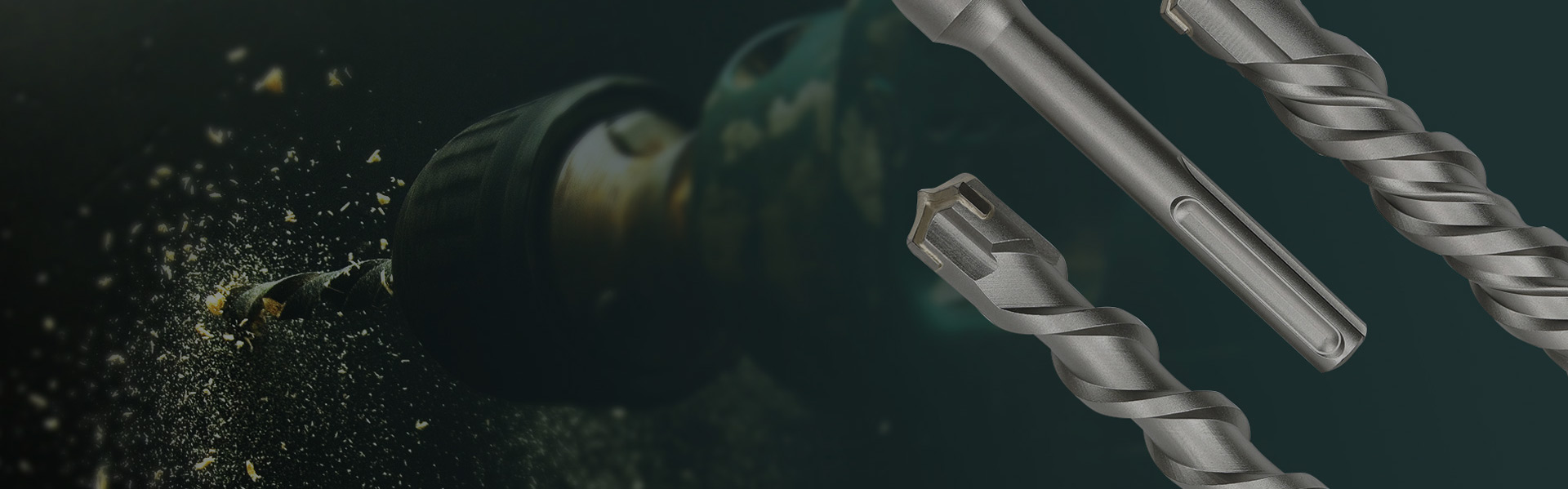
Across the construction, renovation, and industrial maintenance sectors, drilling technologies have continued to evolve in response to new building materials and shifting market expectations. In this environment, the SDS Plus Hammer Drill has become a tool category frequently discussed in jobsite reports, trade publications, and dealer networks. Brands such as fangda-tools have introduced models designed for long service cycles, workplace stability, and compatibility with modern accessories, which has further expanded attention toward this drilling system.

Although rotary drilling is a long-standing practice, recent industry transitions have created renewed demand for solutions that maintain consistent performance while navigating concrete, masonry, and mixed-density surfaces. As project schedules accelerate and builders adopt new composites, teams are prioritizing tools that offer predictable impact mechanisms, secure bit engagement, and efficient transfer of drilling energy. This article examines the broader industrial context driving interest in this category and explores how shifting construction trends are influencing tool development.
Traditional drills served early construction needs well, but as architectural structures grew more complex, teams encountered challenges that standard chuck systems struggled to manage. Vibrations, bit slippage, and material density variations often made progress slower than expected. When workers needed to make repeated holes across large concrete surfaces, conventional systems required significant effort.
As manufacturing capabilities advanced, engineers explored impact-assisted drilling systems. These systems introduced mechanisms that delivered repeated strike motion directly into the bit, helping the drill penetrate denser material layers. Over time, this approach reshaped expectations for how drilling tasks could be completed.
The SDS Plus Hammer Drill emerged as one of the solutions adopted by many work crews. Its shank configuration allowed bits to move with the hammering action more efficiently, which improved energy transfer compared to earlier designs. The system also encouraged interchangeable accessories that addressed various project scenarios, ranging from anchor installation to channel creation for wiring.
Brands such as fangda-tools responded to this shift by expanding bit selections, refining ergonomic features, and designing tools that could withstand long hours on job sites. Their participation contributed to the tool's visibility across multiple global markets.
Although designs vary among manufacturers, several fundamental characteristics have shaped the modern hammer drilling category.
Several trends in the construction and renovation markets have contributed to the growth of this drilling category.
Expansion of Urban Development
Urban projects increasingly rely on reinforced concrete, stone elements, and dense composite panels. Drilling systems capable of handling such materials with consistency have attracted interest from site managers and engineering firms.
Growth of Renovation and Retrofit Projects
Older buildings undergoing modernization often require installation of HVAC systems, updated electrical layouts, and improved plumbing routes. These activities involve frequent drilling through hardened materials, creating demand for tools that manage such tasks efficiently.
Shift Toward Time-Sensitive Building Schedules
Contractors often face accelerated deadlines. Tools that support repeatability and stable performance can help crews maintain tight project timelines.
Increased Focus on Worker Fatigue Reduction
Safety programs continue emphasizing ergonomic awareness. Drills that reduce unnecessary strain allow teams to complete tasks safely and consistently.
Procurement departments and site supervisors often compare key attributes when selecting hammer drilling tools. The table below illustrates typical considerations, presented in neutral and non-comparative language.
Evaluation CategoryExamples of Discussion Topics
Bit Interface StyleCompatibility with accessories, insertion stability
Impact DeliverySmoothness of hammer action during operation
Material HandlingSuitability for concrete, masonry, or mixed surfaces
Ergonomic FeaturesGrip structure, vibration management, handling comfort
Accessory RangeAvailability of chisels, drill bits, or specialized attachments
Durability FactorsComponent resilience under continuous use
Brands such as fangda-tools often highlight several of these aspects to support user decision-making.
Recent shifts in production methods have influenced how hammer drills are designed and assembled.
Algorithm-Assisted Component Design
Manufacturers now use digital modeling to calculate optimal tool geometry, rotational balance, and internal hammering sequences. This technology helps create a smoother drilling experience.
Improved Heat Treatment for Internal Parts
Heat treatment processes allow toolmakers to strengthen key components. These procedures also support long-term reliability by improving each part's resistance to operational stress.
Enhanced Material Coatings
Some surfaces receive wear-resistant layers that reduce friction and limit heat buildup. These coatings can extend service life without altering the underlying material structure.
Modular Production Lines
Factories are shifting toward modular assembly processes that enable rapid configuration changes. This supports a range of drill body styles and bit types within shorter production cycles.
Even with advanced equipment, proper technique remains essential. Many training programs recommend a series of practical steps that enhance drilling results.
Pre-Marking Target Points
Workers are encouraged to use measurement tools and marking devices to identify precise drill positions. Accuracy during preparation contributes to clean installation pathways.
Using Consistent Force
Applying steady, moderate pressure helps the hammer mechanism operate smoothly. Excessive force may reduce drilling stability, while too little force may slow progress.
Selecting Appropriate Bit Types
Different surfaces may require different bit designs. Choosing the correct accessory for the task helps maintain the integrity of both the tool and the material.
Clearing Dust Build-Up
Periodic removal of dust assists with airflow, visibility, and drilling efficiency. It also supports safer working conditions.
The availability of drilling tools has improved as supply chain networks adapt to global construction demand. E-commerce platforms, regional distributors, and direct-to-site delivery models have all contributed to streamlined access.
Tool manufacturers, including fangda-tools, have expanded logistics partnerships to reduce lead times and maintain consistent inventory levels. This is especially important for contractors who need reliable access to tool replacements during high-volume building seasons.
Distribution centers increasingly emphasize:
These improvements help ensure that crews receive the tools they need without delay.
Technology is reshaping how workers plan and execute drilling tasks.
Digital Layout Systems
Construction teams often use laser measurement tools and digital mapping platforms to identify drilling points accurately. When combined with a stable drilling system, this allows teams to create uniform layouts across large surfaces.
Smart Battery Platforms
Cordless models benefit from improved battery technology. Although not universal, some hammer drills have begun integrating monitoring systems that track usage metrics.
Tool Management Software
Some companies now offer systems that allow supervisors to monitor tool locations, service intervals, and usage patterns. These insights help maximize operational readiness.
Safety remains central to conversations around drilling equipment. Across international trade events, professionals emphasize:
Manufacturers provide manuals and training materials to help users understand safe operation practices. Many industry bodies also publish guidelines for drilling activities to prevent workplace incidents.
Construction analysts project continued demand for hammer drilling tools as several global trends develop.
Increased Public Infrastructure Investment
Governments in multiple regions are funding transportation upgrades, water system improvements, and public facility expansions. Many of these projects require extensive drilling work.
Growth in Multi-Story Residential Buildings
Urban population growth has created strong demand for high-rise housing. Drilling through reinforced material layers is a routine part of these projects.
Rising Popularity of DIY Renovation
Homeowners increasingly perform renovation tasks themselves, especially in regions with strong online retail markets. Tools that offer straightforward operation may appeal to this segment.
Expansion of Renewable Energy Installations
Wind turbine bases, solar installations, and energy storage facilities frequently require drilling during foundation preparation and structural assembly.
Feedback from field personnel reflects several recurring themes:
Although experiences vary across job types, many teams report increased interest in adopting this system for both renovation and large-scale building projects.
Looking ahead, manufacturers may explore several development paths.
Digital Feedback Integration
Some companies are evaluating sensor technology that tracks drilling torque, vibration levels, and operational time. These insights could help technicians evaluate tool condition.
Environmentally Conscious Manufacturing
As sustainability becomes increasingly important, factories may adopt eco-focused processes, recycled metals, or low-impact surface treatments.
Accessory Innovations
Engineering teams may expand options such as multi-purpose chisels, specialized demolition attachments, and bits tailored for new composite materials.
Noise-Reduction Enhancements
With tighter workplace noise regulations emerging in some regions, manufacturers may explore internal dampening solutions.
The SDS Plus Hammer Drill continues to play a meaningful role in modern construction and renovation work. Its impact-assisted mechanism, stable bit interface, and broad accessory options have helped the tool remain relevant across both small-scale jobs and large infrastructure projects. Companies like fangda-tools have contributed to its growth through manufacturing refinements and distribution improvements that support evolving industry needs.
As building materials, project requirements, and jobsite technology progress, hammer drills will continue to adapt. Their ability to strike a balance between control, durability, and versatility positions them as an important element of contemporary construction workflows.
 4008-253-777
Industrial Zone, Furong Town, Yueqing City, Zhejiang Province, China


+86-0577-62298888
+86-0577-62299999

+86-0577-62295777
+86-0577-62297777
Copyright © Fangda Holding Co., Ltd. All Rights Reserved
Metal Drill Bit Sets Suppliers
