



Industry News
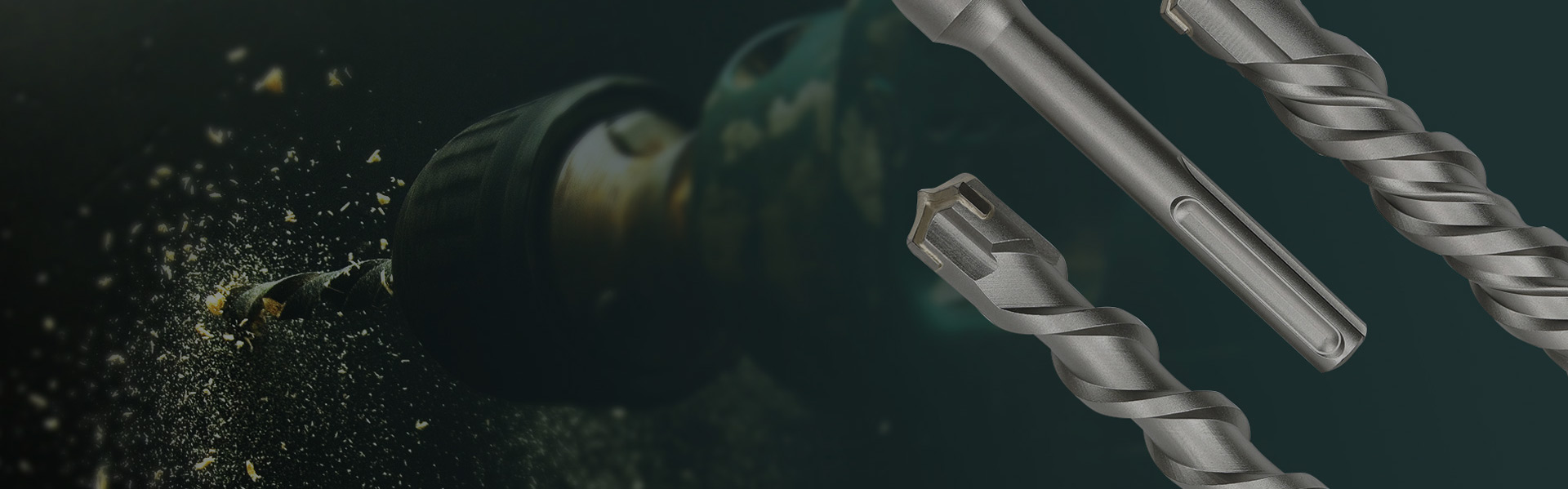
Metalworking often depends on small cutting tools that perform very specific jobs. A hole saw is one example. It creates openings in metal surfaces while working with a drill or other compatible equipment. Although its overall structure may appear simple, the material used to make the cutting part can have a noticeable effect on how the tool behaves during use.
High-speed steel, commonly known as HSS, has become a familiar material in metal hole saw production. Its role is connected with the demands of cutting metal. The material needs to remain useful during repeated contact with a workpiece while maintaining a practical cutting edge.
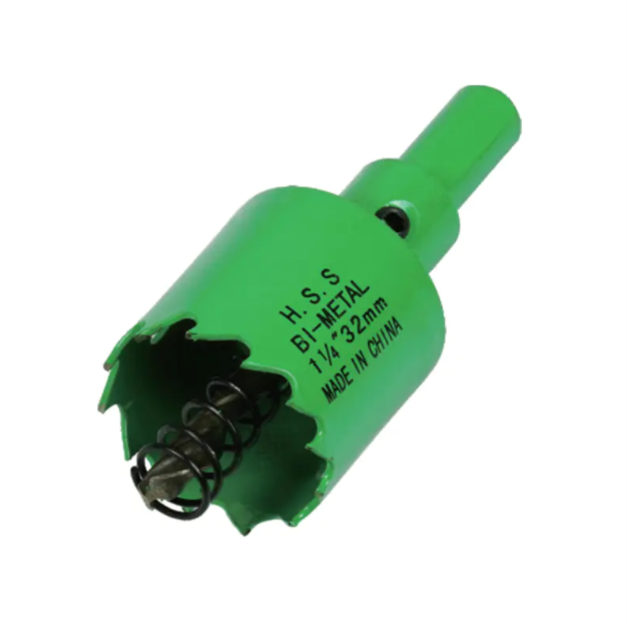
HSS does not determine every aspect of a hole saw. Tooth design, manufacturing quality, tool structure, the material being cut, and working conditions also matter. However, material selection provides an important foundation for the finished product.
As metalworking tasks become more varied, manufacturers are paying attention to how HSS characteristics interact with hole saw design. This has made material selection an important part of product development rather than a simple manufacturing choice.
Metal places different demands on a cutting tool than many softer materials.
A hole saw needs to remove material while moving around a circular path. The cutting edge repeatedly contacts the workpiece. During this process, the edge needs to retain a useful shape and continue supporting the intended cutting action.
HSS is commonly used because it offers a combination of hardness, toughness, and resistance to wear that suits many metalworking applications.
The material can also be processed into cutting components with a practical balance between strength and cutting ability.
For manufacturers, this creates several design possibilities.
An HSS hole saw can be developed for different metalworking tasks while keeping the basic material concept familiar. The manufacturer can then adjust other elements, such as tooth design or body structure, according to the intended application.
This flexibility is one reason HSS remains relevant in hole saw manufacturing.
The material is not simply chosen because it is hard. A useful cutting tool needs more than hardness. It also needs to cope with repeated work without becoming unnecessarily fragile.
That balance is important in hole saw applications.
The cutting edge is the part of the hole saw that directly interacts with the workpiece.
Its condition has a direct relationship with the cutting experience.
A suitable HSS material can help the teeth maintain their working shape during repeated metal cutting. When the edge remains in usable condition, the hole saw can continue to remove material in a more consistent way.
This is particularly relevant in workshop environments where the same tool may be used repeatedly.
The cutting edge also needs to match the intended application.
Different metals have different characteristics. Some are relatively easy to work with, while others place greater demands on the cutting edge.
HSS provides a material base that manufacturers can adapt through the design of the teeth.
The material and tooth design therefore work together.
| HSS Material Characteristic | Influence on Hole Saw Use |
|---|---|
| Hardness | Supports the cutting edge during contact with metal |
| Toughness | Helps the cutting part handle repeated work |
| Wear resistance | Supports continued use of the cutting teeth |
| Heat tolerance | Helps the material cope with heat generated during cutting |
| Processability | Allows manufacturers to form practical cutting structures |
The table shows why material selection cannot be separated from the rest of the hole saw design.
Repeated use is common in metalworking.
A maintenance worker may need to create several openings during one project. A workshop may use a hole saw for repeated installation work. Fabrication tasks may involve preparing multiple metal components.
In these situations, the cutting edge experiences repeated contact with the material.
HSS can support this type of work because its material characteristics are suitable for repeated cutting applications.
This does not mean that an HSS hole saw will remain unchanged regardless of use. Cutting conditions, material type, storage, maintenance, and handling all influence tool life.
Still, the material provides an important foundation.
A cutting edge that loses its useful shape too quickly can affect the way the tool performs. Users may notice that cutting takes longer or requires more effort.
Manufacturers therefore consider repeated use when developing HSS metal hole saw .
The goal is to create a cutting component that can remain functional during normal working conditions while providing a practical balance between performance and durability.
Heat is a natural part of metal cutting.
When a cutting edge contacts a metal surface, friction and material removal can generate heat. If the cutting edge is not suited to the working conditions, heat can affect its condition.
HSS is known for its ability to retain useful properties in elevated-temperature cutting environments. This characteristic is important for tools that work through repeated contact with metal.
However, HSS should not be viewed as a material that eliminates heat-related concerns.
The way a hole saw is used still matters.
The material being cut, cutting method, equipment condition, and use of suitable lubrication can all influence the working environment around the cutting edge.
Manufacturers therefore consider HSS's heat-related characteristics alongside the rest of the tool design.
This is another example of why material choice and application cannot be separated.
A hole saw may contain a suitable cutting material, but the overall result still depends on how the tool is designed and used.
Hardness is important for a cutting edge. It helps the teeth maintain their shape while contacting metal.
But hardness alone is not enough.
A hole saw also needs to cope with repeated mechanical stress. If a cutting component is too fragile, the teeth may become damaged when exposed to unsuitable working conditions.
This is where toughness becomes important.
HSS offers a useful balance between hardness and toughness for many cutting applications.
The relationship can be explained simply:
Hardness helps the edge cut. Toughness helps the edge withstand use.
Both qualities contribute to the working behavior of the hole saw.
Manufacturers need to consider this balance when selecting and processing HSS materials.
A metal hole saw is expected to cut. It is also expected to remain usable during ordinary work.
This balance becomes particularly important when a hole saw is used in workshops where different materials and working conditions may appear throughout the day.
Durability is one of the most important concerns when selecting a metal cutting tool.
Users generally want a hole saw that can support regular work without requiring constant replacement.
HSS can contribute to durability because of its resistance to wear and its ability to maintain a functional cutting edge during repeated use.
Still, durability is not determined by HSS alone.
Several elements work together:
A well-designed hole saw needs these elements to work together.
For example, a suitable HSS material may provide a strong foundation, but an unsuitable tooth arrangement can still affect the cutting experience.
The same applies to manufacturing.
If the cutting teeth are not formed consistently, the material itself cannot completely compensate for the difference.
This is why manufacturers treat material selection as one part of a larger product development process.
Metalworking does not involve only one type of metal.
Workshops may handle steel, stainless steel, aluminum, and other metal materials. These materials can differ in hardness, structure, and cutting behavior.
A hole saw designed for one application may not provide the same experience on every material.
HSS offers a versatile material base, but manufacturers still need to consider the intended workpiece when designing the product.
Tooth shape can be adjusted. Tooth arrangement can be changed. The structure of the hole saw can also be adapted.
This allows HSS to support different product designs.
For users, the lesson is straightforward.
The material of the hole saw should match the material being cut.
Choosing an HSS hole saw does not remove the need to consider the workpiece.
Instead, HSS provides a suitable material foundation from which manufacturers can create products for different metalworking applications.
Material selection also influences manufacturing.
HSS needs to be formed and processed into a cutting structure that can perform the intended task. The teeth need to have a suitable shape. The cutting section needs to connect properly with the rest of the hole saw.
Manufacturing consistency matters at every stage.
Small differences in tooth formation can influence how a hole saw interacts with the workpiece.
This means manufacturers need to control the relationship between material processing and final product design.
The manufacturing process may involve shaping, forming, heat treatment, finishing, and assembly. Each stage can influence the final condition of the cutting component.
HSS gives manufacturers a material that can be processed into different cutting designs.
This supports product development for various applications.
The result is not simply an HSS strip or cutting edge. It is a complete tool in which the material, structure, and tooth design are integrated.
HSS and tooth design are closely connected.
The material provides the physical foundation of the cutting edge. The teeth determine how that edge interacts with the workpiece.
A hole saw intended for thin metal may have different tooth characteristics from one designed for another type of metalworking task.
The arrangement of the teeth can affect how material is removed.
The shape can influence how the cutting edge enters the workpiece.
The spacing between teeth can also affect how removed material moves away from the cutting area.
These design decisions need to work with the characteristics of HSS.
Hole Saw Cutter Manufacturer therefore do not simply select HSS and stop there.
They consider the material together with the complete cutting structure.
This integrated approach allows the hole saw to be developed around a particular application.
It also explains why two hole saws made from similar HSS materials can still behave differently.
Material is important, but product design gives that material its practical function.
Workshops often require flexible cutting tools.
A maintenance team may need to create openings in metal panels. An installer may need to prepare an opening for a component. A fabricator may need to work with different metal parts during production.
HSS metal hole saws can support these tasks because they combine a practical cutting structure with a material suited to metalworking.
Their role is especially useful when a clean circular opening is required.
The hole saw removes the material inside the cutting path rather than cutting across the entire surface.
This makes it useful for installation and fabrication tasks where a circular opening is part of the finished work.
The application can range from workshop repair to equipment installation.
The exact product choice will depend on the material and task.
HSS simply provides one of the material options that manufacturers use to address these needs.
Even a durable cutting material requires suitable use and care.
Users can support the condition of an HSS hole saw by choosing it according to the material being cut and following the intended operating method.
Storage also matters.
A hole saw should be kept in a clean and organized location when it is not being used. Contact with other tools can damage the teeth.
Removing material residue after use can also help maintain the cutting area.
Users should pay attention to changes in cutting behavior.
If the tool begins to cut differently, requires unusual effort, or shows visible damage, it may be time to inspect the cutting edge.
Proper maintenance does not change the basic properties of HSS. It helps users make better use of those properties.
The material can provide hardness, toughness, and wear resistance, but good working practices remain part of the overall tool experience.
HSS continues to influence metal hole saw development because it offers manufacturers a practical material foundation for cutting applications.
Its characteristics allow designers to consider different tooth patterns, cutting structures, and application-specific products.
The development process is becoming more application-focused.
Manufacturers are looking at the type of metal being cut, the working environment, the expected frequency of use, and the desired cutting result.
HSS is one part of this process.
The material affects how the cutting edge behaves. Tooth design determines how the edge interacts with the workpiece. The body supports the cutting structure. Manufacturing determines how consistently these elements come together.
This relationship gives HSS an ongoing role in metal hole saw development.
As workshops handle more varied materials and applications, manufacturers continue to explore ways to combine material selection with practical tool design. The focus is not only on what a hole saw is made from, but also on how that material works within the complete cutting system.

 4008-253-777
Industrial Zone, Furong Town, Yueqing City, Zhejiang Province, China


+86-0577-62298888
+86-0577-62299999

+86-0577-62295777
+86-0577-62297777
Copyright © Fangda Holding Co., Ltd. All Rights Reserved
Metal Drill Bit Sets Suppliers
