



Industry News
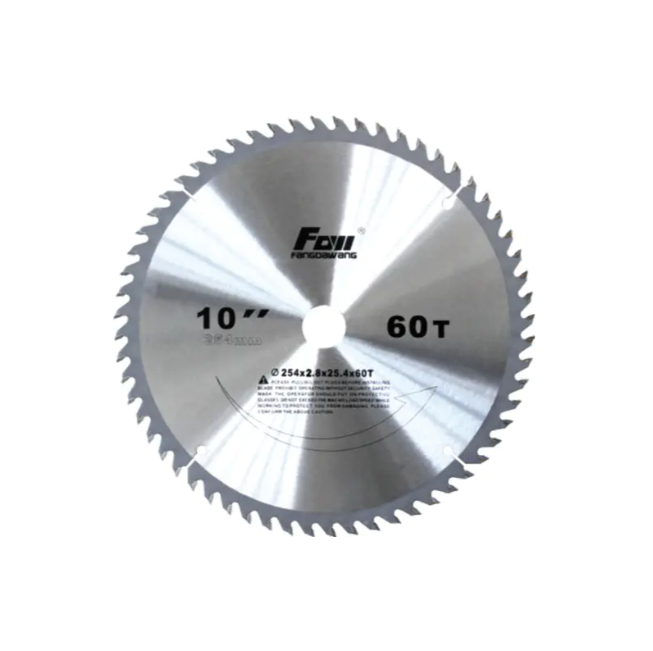
Wood cutting sits at the center of many workshops, from small furniture studios to large-scale processing lines. The tool that meets the material is often a tct saw blade for wood , and among the many options, TCT blades are widely used. They are seen in cabinet making, flooring work, and general carpentry. Yet the question remains common: how does one choose the right blade for wood cutting?
We are looks at that question from a practical angle. It follows how users think, how materials behave, and how tools respond in real working conditions.
A TCT saw blade cuts by rotating at speed while its teeth engage with the wood surface. Each tooth removes a small portion of material. The process repeats in a steady rhythm. Over time, this creates a clean cut line.
In wood cutting, the goal is not only to separate material. Surface finish matters. Edge quality matters. Even the sound and feel of the cut can signal whether the blade fits the task.
Some users focus on speed. Others focus on finish. Many try to balance both. The blade plays a central role in that balance.
Wood is not a uniform material. It varies in density, moisture, and internal structure. These differences shape how a blade performs.
Softwood tends to cut with less resistance. It allows faster movement. Hardwood offers more resistance. It asks more from the blade.
Engineered boards behave differently. Their layered structure can cause uneven cutting if the blade is not suited to the task.
A simple comparison helps clarify this:
| Wood Type | Cutting Feel | Blade Behavior Needed |
|---|---|---|
| Softwood | Light resistance | Smooth and fast movement |
| Hardwood | Dense and firm | Stable and controlled cut |
| Engineered board | Layered response | Consistent edge handling |
This table reflects a basic idea: material drives tool choice. Ignoring that often leads to rough edges or extra effort during cutting.
The shape and arrangement of teeth influence how the blade interacts with wood. Some designs aim for quick removal of material. Others aim for a smoother surface.
A blade with fewer teeth tends to move faster. It removes more material with each pass. This can leave a rougher edge.
A blade with more teeth moves more gently. Each tooth removes less material. The result is often a cleaner surface.
Tooth angle also plays a role. It affects how the blade enters the wood and how it exits. A slight change in angle can change the feel of the cut.
Users often notice this difference when switching between rough cutting and finishing work. One blade may feel aggressive. Another may feel controlled.
Not every cut serves the same goal. Some cuts are hidden. Others are visible and require a smooth finish.
Rough cutting focuses on speed. It prepares material for later steps. In this case, a faster blade may be suitable.
Fine cutting focuses on appearance. It requires clean edges and minimal marks. Here, a blade designed for smooth cutting becomes more useful.
There are also cases where both goals appear in one project. A user may switch blades during the process. This is common in woodworking environments where precision matters.
The saw itself influences blade choice. Different machines operate in different ways. A handheld saw behaves differently from a table-mounted system.
Stability is one factor. A stable machine allows more precise cutting. A less stable setup may require a blade that reduces vibration.
Speed is another factor. Some machines run at higher speeds. Others run slower. The blade must match that rhythm.
Even the way a user feeds the material into the blade matters. A steady feed leads to a smoother cut. An uneven feed can cause marks, even with a suitable blade.
Many users look for flexibility. They prefer one blade that can handle different types of wood and different cutting needs.
This is possible to some extent. Some blades are designed for general use. They offer a balance between speed and finish.
However, there are limits. A general-purpose blade may not deliver the same surface quality as one designed for fine cutting. It may also not move as quickly as a blade meant for rough work.
The choice depends on how often tasks change. In a workshop with varied projects, switching blades may become part of the routine.
A blade changes over time. It interacts with wood, dust, and air. This affects its cutting behavior.
Cleanliness matters. Dust and resin can build up on the blade surface. This may increase friction and affect cutting smoothness.
Storage also plays a role. A blade kept in a dry, stable place tends to maintain its condition longer.
Handling matters too. Dropping or stacking blades without care can affect their shape. Even small changes can influence cutting results.
Regular attention to these details helps maintain consistent performance. It also reduces unexpected issues during cutting.
When selecting a blade, users often look at visible features. Shape, size, and packaging may catch attention. Yet practical considerations tend to matter more.
These points form a simple framework. They help narrow down choices without relying on complex descriptions.
Some users also consider how often they are willing to change blades. Others think about how much time they spend on finishing work after cutting.
These small decisions shape the final choice more than any single feature.
Cutting does not happen in isolation. The surrounding environment affects the process.
Temperature can influence wood behavior. Moisture can change how fibers respond during cutting.
Lighting affects how users guide the material. Clear visibility helps maintain a steady path.
Even noise and vibration can shape the experience. A smoother cutting process often feels more controlled and predictable.
These conditions may not change the blade itself, but they influence how it performs in real situations.
Many users prefer a clear path when making a choice. A simplified approach can help:
This approach does not rely on technical detail. It focuses on real usage.
Over time, experience adds another layer. Users begin to notice patterns. They learn which blade works better in certain situations.
That learning process shapes future decisions. It reduces uncertainty and builds confidence in tool selection.
In recent years, there has been a shift in how users approach tools. Flexibility and ease of use have gained attention.
Some users prefer tools that adapt to multiple tasks. Others focus on reducing time spent on adjustments.
There is also more awareness of workflow. Users look at how each step connects to the next. The blade becomes part of a larger process, not just a single tool.
These trends influence how blades are designed and how they are chosen. The focus moves from isolated performance to overall experience.
The effects are often visible and immediate. The cut may feel rough. The edge may show marks or uneven lines.
In some cases, the process becomes slower. The user may need to apply more effort. This can affect consistency.
There may also be more follow-up work. Sanding or trimming may be needed to correct the surface.
These outcomes highlight the importance of matching the blade to the task. Small differences in choice can lead to noticeable changes in results.
Experience plays a strong role. Over time, users build a sense of what works for them.
Some prefer a smoother cutting feel. Others focus on speed. These preferences reflect the type of work they do.
Work environment also shapes choices. A small workshop may prioritize flexibility. A larger setup may focus on efficiency and consistency.
Feedback from each cut adds to this understanding. It forms a practical guide that goes beyond written descriptions.
Choosing a blade often comes down to balance. Speed and surface quality may not always align. Flexibility and specialization may not always match.
Users weigh these factors based on their needs. There is no single answer that fits all situations.
Instead, the process involves adjustment. It involves trying, observing, and refining.
This approach reflects the nature of woodworking itself. It is shaped by material, tools, and the hands that guide them.

 4008-253-777
Industrial Zone, Furong Town, Yueqing City, Zhejiang Province, China


+86-0577-62298888
+86-0577-62299999

+86-0577-62295777
+86-0577-62297777
Copyright © Fangda Holding Co., Ltd. All Rights Reserved
Metal Drill Bit Sets Suppliers
