



Industry News
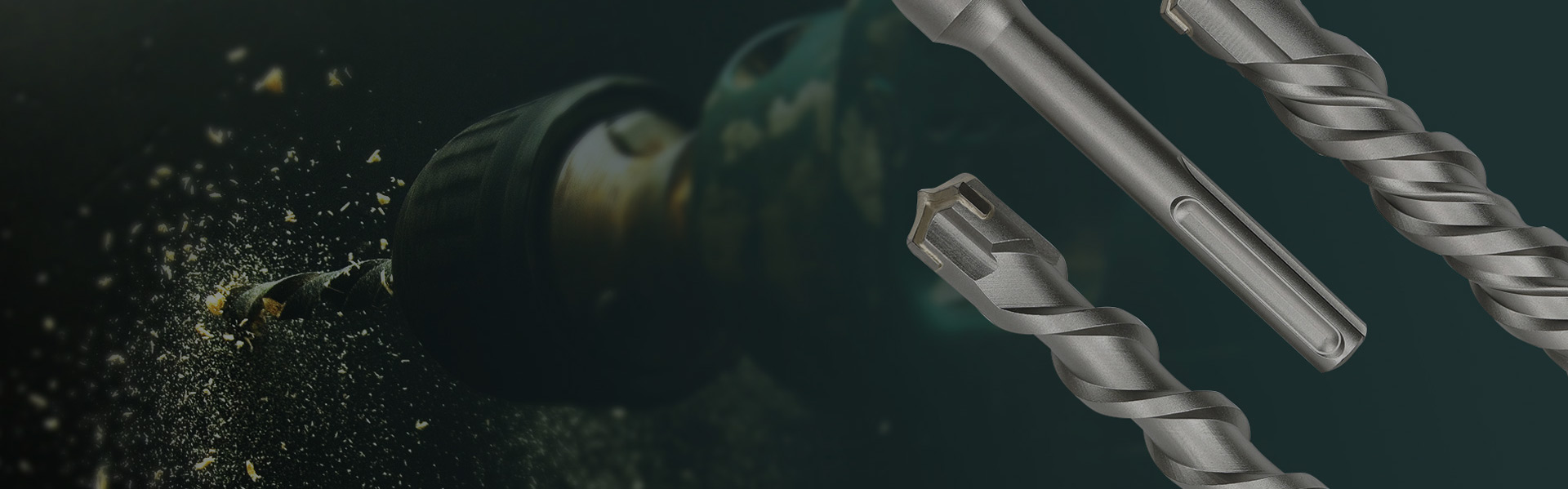
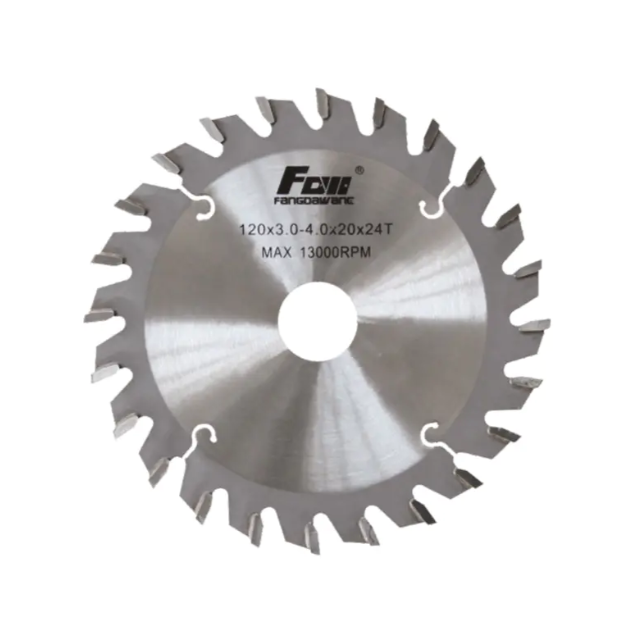
A tct circular saw is a common tool in woodworking, construction, and general fabrication work. It cuts through wood materials with speed and steady motion. The tool feels familiar in many workshops, yet it still demands attention. A small lapse in handling can change the working condition in an instant.
Safety is not a separate step added at the end. It is part of the entire process, from setup to cutting to tool storage. Each stage carries its own set of risks and simple habits that help reduce them.
A circular saw rotates at high speed while making continuous contact with material. That motion creates both efficiency and risk at the same time. The blade does not stop easily once it starts moving.
Wood itself is also unpredictable. Some pieces are dense, others contain hidden tension. When the blade meets resistance, the reaction can shift quickly.
Safety matters because:
A calm and controlled approach reduces these risks significantly.
A stable environment supports safe operation. Before starting any cutting work, the surrounding space should be checked with simple attention.
The surface should be steady. Movement under the material can lead to uneven cutting. Loose items around the cutting zone may interfere with control. Lighting also plays a role, since clear visibility helps guide the tool smoothly.
A practical setup usually includes:
Even small adjustments in the workspace can change how the tool behaves during use.
Before starting the saw, a short inspection helps avoid unexpected issues. This step is often rushed, but it carries important value.
The blade should be checked for visible wear or damage. A blade that has been used for a long time may show uneven edges. Any unusual condition can affect cutting stability.
The tool body should feel secure. Loose parts or unusual movement are signals that something may not be stable.
The material also needs attention. It should be positioned in a way that does not shift during cutting.
Basic checks include:
These checks do not take long, but they help reduce uncertainty during operation.
Hand placement is one of the most important parts of safe use. The tool must always be guided with control, but without placing hands too close to the cutting path.
A stable grip helps maintain direction. Sudden movement is less likely when both hands are positioned firmly on the tool body.
At the same time, the cutting area should always remain clear. Hands should never drift toward the line where the blade meets the material.
Good practice usually includes:
Control comes from positioning, not pressure.
Cutting speed affects more than just work efficiency, it also impacts operational stability. Working overly fast makes it harder to keep the tool under control, while an excessively slow pace leads to uneven cutting resistance.
Materials deliver distinct cutting feedback. Soft wood cuts more smoothly, whereas compact tough materials call for a slower, more careful working speed.
Finding the right balance matters most. Operate the tool at a uniform pace that fits the material traits.
Safe cutting habits are shown as below:
Steady motions effectively prevent unexpected operational risks.
Workpiece displacement is a common trigger for unstable cutting work. Once the material slips, the cutting blade will deviate from its preset track.
Firm fixing does not rely on complicated gear, solid placement and stable positioning are the core points.
Standard stable fixing requirements:
Even tiny displacement hurts cutting precision and safety. Firm positioning lets the tool run steadily and safely.
Protection is part of normal working conditions. It supports the operator during unexpected changes in movement or material behavior.
While protection does not remove risk completely, it helps reduce exposure.
Common protective practices include:
Each item plays a small role. Together, they create a safer working environment.
People seldom realize how vital focus is, but it influences every cutting step. Losing concentration even briefly can throw off tool handling and material cutting state.
Using tct circular saw blade for metal demands sustained focus. The tool follows human operation closely, so staying alert all the way is essential.
Staying focused at work means:
Clear mindset helps people grasp the tool firmly.
Safety work doesn't finish right after cutting. We still need to handle and store the tool properly.
Never touch the blade until it comes to a complete stop. Handling spinning blades easily leads to accidents.
Set the tool down on a steady spot after use. Clean up leftover scraps and dust to keep it working well next time.
Basic follow-up routines:
These simple steps keep the tool usable safely long term.
Properly maintained tools run in steady, foreseeable ways. Clean and intact parts make the tool much simpler to manage.
Daily maintenance is not complicated. Regular small checks and cleaning keep performance stable.
Common upkeep work:
Regular care ensures the tool works reliably each time.
Certain working conditions increase the need for careful handling. These situations do not make the tool unsafe on their own, but they require more awareness.
Examples include:
In these moments, slowing down and maintaining steady control becomes more important than speed.
Safety skills develop gradually. Repeated use builds familiarity with how the tool reacts in different conditions.
Experienced users often rely on small habits rather than complex rules. These habits help reduce uncertainty during cutting.
Over time, users tend to develop:
Experience does not remove risk completely, but it helps users respond more naturally when conditions change.
Safe operation is not defined by a single rule. It is a combination of awareness, preparation, and steady handling.
The tool itself is designed for efficiency, but its performance depends on how it is used. Every stage, from setup to cutting to storage, contributes to overall safety.
When attention is consistent and movement is controlled, the working process becomes more stable and predictable.
 4008-253-777
Industrial Zone, Furong Town, Yueqing City, Zhejiang Province, China


+86-0577-62298888
+86-0577-62299999

+86-0577-62295777
+86-0577-62297777
Copyright © Fangda Holding Co., Ltd. All Rights Reserved
Metal Drill Bit Sets Suppliers
