



Industry News
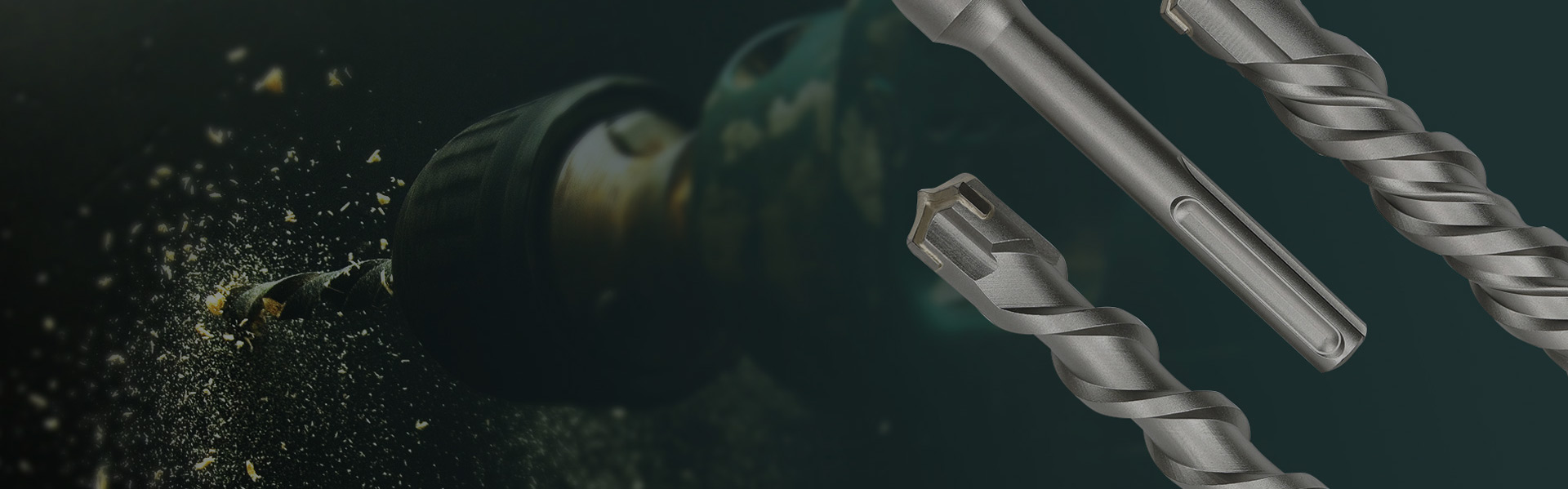
Woodworking Router Bits Supplier are small tools that do detailed cutting work on wood surfaces. They shape edges, form grooves, and help create clean finishes. When they are in good condition, the cut feels smooth. When they are not, the difference shows up quickly in the work.
Most users pay attention to how a bit performs during use. What often gets less attention is what happens after the work is done. Cleaning, handling, and storage are simple steps, but they quietly decide how long the tool stays usable.
This is not a complicated process. It is mostly about habits that fit into normal workshop routines.
After cutting wood, router bits usually have fine dust and small leftover particles on the surface. At first, it may not look serious. The amount seems small, easy to ignore.
But this residue does not stay harmless. It slowly builds up around the cutting area. Over time, the surface does not move through wood as smoothly as before.
Cleaning does not need special tools. A simple wipe is often enough. The goal is to remove loose material before it sticks harder or dries in place.
When work is heavier or longer, a slightly more careful cleaning may be needed. Still, the idea remains the same: do not let debris stay on the tool.
Common cleaning situations:
| Situation | Simple action |
|---|---|
| Light dust after short use | Wipe with cloth |
| Fine residue after longer work | Gentle cleaning |
| Before storage | Final wipe and check |
| Visible buildup | Careful removal |
A short cleaning habit saves more time later than dealing with a neglected tool.
Inspection often happens without planning. When picking up a router bit, most users naturally glance at it before installing it. That moment is already a useful check.
The cutting edge is usually the first focus. If it looks uneven or slightly worn, the feel during cutting may change.
The body of the bit also matters. Dust or leftover material can affect how smoothly it works. The shank area should stay clean so it fits properly into the tool.
This kind of check does not need a long process. A few seconds is often enough to understand the condition.
Things that are usually noticed:
These signs help decide whether the bit is ready or should be cleaned again.
Router bits are small and easy to overlook. Because of their size, they are often handled quickly during busy work.
That is where small damage can happen. A bit dropped onto a hard surface may not break, but it can still lose precision. Even a small impact can change how it behaves later.
Another common issue is contact between tools. When bits are placed together loosely, they may hit each other. Over time, this contact affects the cutting edge.
Handling during installation also matters. Forcing the bit into place or removing it too fast can create unnecessary wear.
Simple handling habits:
| Action | Result |
|---|---|
| Place gently | Reduces impact risk |
| Keep separated | Prevents edge contact |
| Insert carefully | Better fit |
| Remove slowly | Less stress on tool |
These are small actions, but they help maintain stability over time.
Storage is one of the most important parts of tool care, even though it is often treated as a secondary step.
A clean bit can still lose condition if it is stored without care. Contact with other tools is one of the most common causes of damage.
Many workshops use simple storage boxes or holders. Each bit is placed in its own space so it does not move around freely.
Dry storage is also important. Metal tools can slowly change if exposed to moisture over time, even in small amounts.
Common storage methods:
| Storage type | Main purpose |
|---|---|
| Individual slots | Avoid contact |
| Small boxes | Keep tools grouped |
| Open racks | Easy access |
| Covered cases | Reduce dust exposure |
The goal is simple: keep each bit stable and separated.
When router bits are organized, work flows more smoothly. There is less searching and less interruption during tasks.
In many workshops, bits are arranged in ways that match usage habits. Some users group them by shape. Others place frequently used ones in easier reach.
The method is not as important as consistency. Once a system is used regularly, it becomes part of the working rhythm.
Without organization, small delays appear. A missing bit or a misplaced one can interrupt the task, even if only for a short time.
Simple organization ideas:
| Method | Effect |
|---|---|
| Group similar bits | Faster selection |
| Fixed positions | Easier return |
| Clear layout | Less confusion |
| Simple marking | Better tracking |
A clear setup supports both storage and maintenance without extra effort.
The place where router bits are kept also plays a role in their condition.
Dust is common in woodworking spaces. Even when tools are not used, fine particles can settle on them. This makes cleaning necessary before use.
Moisture is another factor. It does not need to be visible to have an effect. Over time, even light humidity in the air can influence metal surfaces.
Temperature changes are also worth noting. Frequent shifts between warm and cool areas can slowly affect storage conditions.
Simple ways to reduce environmental impact:
These steps are easy to follow and do not require special setup.
Maintenance is not a single task. It is a set of small habits repeated over time.
Wiping the bit after use, placing it back in the correct spot, and doing a quick check before starting work all contribute to better condition.
These actions are simple and often take only a few seconds. But when done regularly, they help keep tools stable.
Many users follow these habits without thinking about them. They become part of the normal workflow.
Useful daily habits:
Small steps like these reduce problems later.
Router bits are used again and again. Each use adds a small amount of wear. The change is slow, so it is easy to miss.
Regular care slows this process. It does not stop wear, but it helps keep performance more stable.
Over time, the difference becomes clear. Tools that are cleaned and stored properly tend to behave more consistently. Others may need more frequent attention.
It is not about strict rules. It is about small actions done regularly during normal work.

 4008-253-777
Industrial Zone, Furong Town, Yueqing City, Zhejiang Province, China


+86-0577-62298888
+86-0577-62299999

+86-0577-62295777
+86-0577-62297777
Copyright © Fangda Holding Co., Ltd. All Rights Reserved
Metal Drill Bit Sets Suppliers
