



Industry News
Home / News / Industry News / What Are the Key Features to Look for in an SDS Plus Hammer Drill Factory
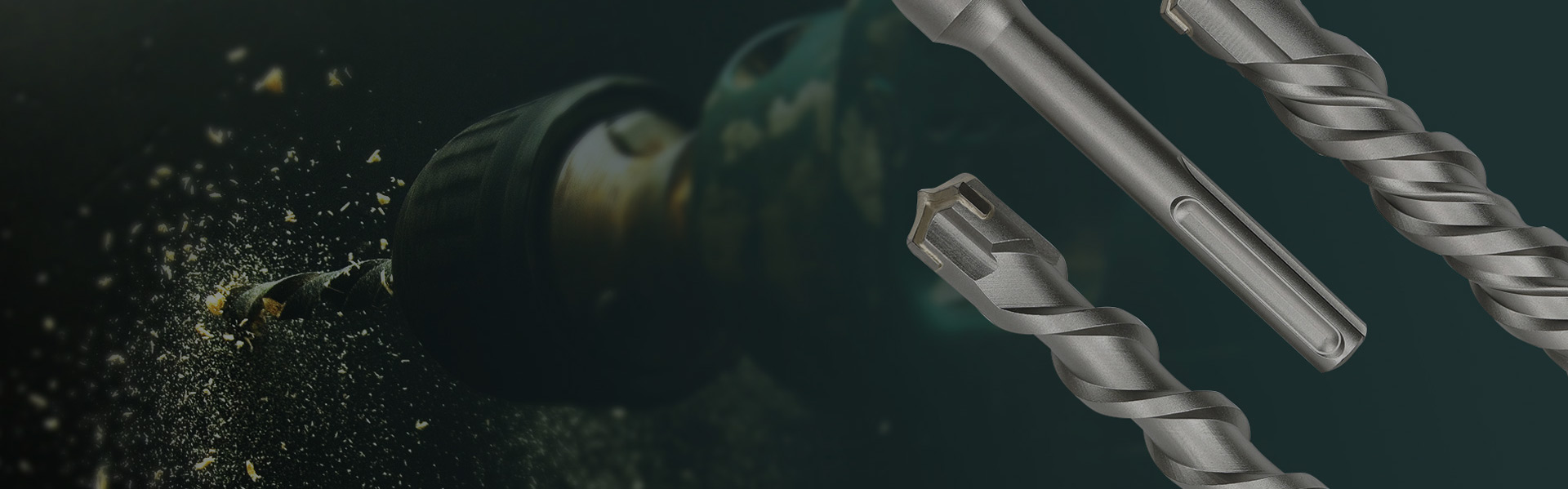
SDS Plus Hammer Drill Factory are a familiar sight on job sites, in workshops, and in renovation spaces. They are used for drilling into harder surfaces and for tasks that need more than a standard drill can offer. Even so, choosing one is not always simple. Many tools look similar at a glance, yet they behave quite differently once in use.
People who work with these tools every day rarely rely on product descriptions alone. They pay attention to how a tool feels during real tasks. Small details often matter more than expected. A slight change in balance, a smoother response, or an easier grip can shape the overall experience.
The following sections look at the features that tend to influence real decisions. The focus stays on practical use rather than technical detail.
The shape of a tool affects how it moves in the hand. This becomes clear when working for more than a few minutes. A drill that feels steady at the start may become harder to control if the balance is not right.
Weight distribution plays a quiet but important role. When the tool feels centered, it is easier to guide during drilling. If the weight leans too far forward or backward, the user may need to adjust their grip more often.
Handle design also deserves attention. A comfortable grip reduces strain, especially during longer sessions. Some handles feel natural right away, while others require time to get used to.
The outer body of the tool is another point to consider. Job sites are not gentle environments. Tools may be set down quickly, moved often, or exposed to dust. A solid outer structure helps the tool hold up under these conditions.
These design features may not stand out at first. Over time, they become part of the daily experience.
Power is often discussed, but the way it is delivered matters just as much. Two drills may feel very different even if they are used on the same material.
Some tools operate with a smooth, steady motion. Others feel more forceful, with a stronger impact during contact. The choice depends on the task and on personal preference.
A steady response can make it easier to control the drilling path. A more forceful action may help when working with tougher surfaces. Neither approach is always better. It depends on the situation.
What users often look for is consistency. When the tool behaves the same way each time, it becomes easier to handle. Unpredictable movement can make even simple tasks feel more difficult.
This sense of control develops quickly. Many users form an opinion after only a short period of use.
SDS Plus hammer drills usually offer more than one working mode. This allows a single tool to handle different types of tasks.
Some modes focus on rotation only. Others combine rotation with a hammering action. There are also settings designed for light surface work.
Having these options is helpful, but the way they are accessed is just as important. A clear and simple switch makes it easier to change modes without interrupting the workflow.
In real work settings, tasks can shift without warning. A user may move from drilling into a wall to adjusting a surface nearby. Being able to switch modes quickly keeps the work moving.
A simple overview:
| Mode | How It Is Used |
|---|---|
| Rotation | General drilling |
| Rotation with impact | Hard surface work |
| Impact only | Light breaking tasks |
| Mixed use | Flexible handling |
This flexibility allows one tool to adapt to different situations without adding complexity.
Comfort is not always noticed at the start. It becomes clear after repeated use. A tool that feels fine for a short task may become tiring over time.
Vibration is one of the main factors. Repeated impact sends movement through the tool and into the user's hands. Over time, this can lead to fatigue.
Some designs help reduce this effect. Even a small difference can make a long task feel more manageable.
Grip stability is also important. A handle that stays secure in the hand allows better control. This is especially useful when working at different angles.
Noise can influence comfort as well. A smoother sound may make the working environment feel less intense, especially indoors.
Points often noticed by users:
These details shape how long the tool can be used without discomfort.
One of the defining features of SDS Plus tools is how bits are changed. The system allows quick insertion and removal, which can save time during work.
Ease of use matters here. A smooth mechanism makes the process simple, even when switching frequently.
Once the bit is in place, it should remain stable. Movement or looseness can affect accuracy and confidence during use.
Compatibility with different attachments also expands what the tool can do. Some tasks require specific shapes or sizes, and the ability to switch between them adds flexibility.
A quick look at this aspect:
| Feature | Why It Matters |
|---|---|
| Quick change system | Saves time |
| Secure fit | Maintains control |
| Range of bits | Supports different tasks |
| Simple handling | Reduces interruptions |
This part of the tool is used often, so even small differences can be noticeable.
Durability becomes clear over time. It is not always visible when the tool is new.
A durable drill continues to perform in different conditions. It handles dust, repeated use, and minor impacts without frequent issues.
Users often notice durability through consistency. If the tool behaves the same way after many uses, it builds trust.
External build quality also matters. A strong outer body can handle the demands of active work environments.
Durability is not only about lifespan. It is about how the tool performs day after day.
Portability depends on how the tool is used. In some cases, the tool stays in one place. In others, it needs to move often.
A lighter and more compact design can make transport easier. This is useful when working across different areas in a single day.
Corded and cordless options also influence movement. Cordless tools allow more freedom, while corded ones provide steady operation without interruption.
The choice often depends on the working style. Some users value flexibility, while others prefer consistency.
Common considerations:
Portability affects how easily the tool fits into the workflow.
Control features shape how the tool responds to the user. A clear layout makes operation easier to understand.
Switch placement is one detail that stands out. A well-placed switch allows quick changes without breaking focus.
The way the tool reacts during operation also matters. A stable response helps maintain control, especially under pressure.
Safety is linked to predictability. When the tool behaves in a consistent way, it reduces the chance of sudden movement.
Users often look for:
| Aspect | Effect on Use |
|---|---|
| Clear controls | Easier handling |
| Stable response | Better accuracy |
| Predictable behavior | More confidence |
| Simple layout | Faster learning |
These features support a smoother interaction between the user and the tool.
In real situations, no single feature decides the outcome. The working environment often shapes what matters most.
A user working in tight spaces may focus on size and control. Someone working in open areas may care more about stability over long periods.
Material type, task frequency, and personal habits all influence the decision. What works well in one setting may not feel right in another.
Many users rely on experience. They try a tool, observe how it behaves, and decide based on that feeling.
Choosing an SDS Plus hammer drill is not only about features listed on paper. It is about how those features come together during actual work, where comfort, control, and adaptability quietly shape the experience.
 4008-253-777
Industrial Zone, Furong Town, Yueqing City, Zhejiang Province, China


+86-0577-62298888
+86-0577-62299999

+86-0577-62295777
+86-0577-62297777
Copyright © Fangda Holding Co., Ltd. All Rights Reserved
Metal Drill Bit Sets Suppliers
