



Industry News
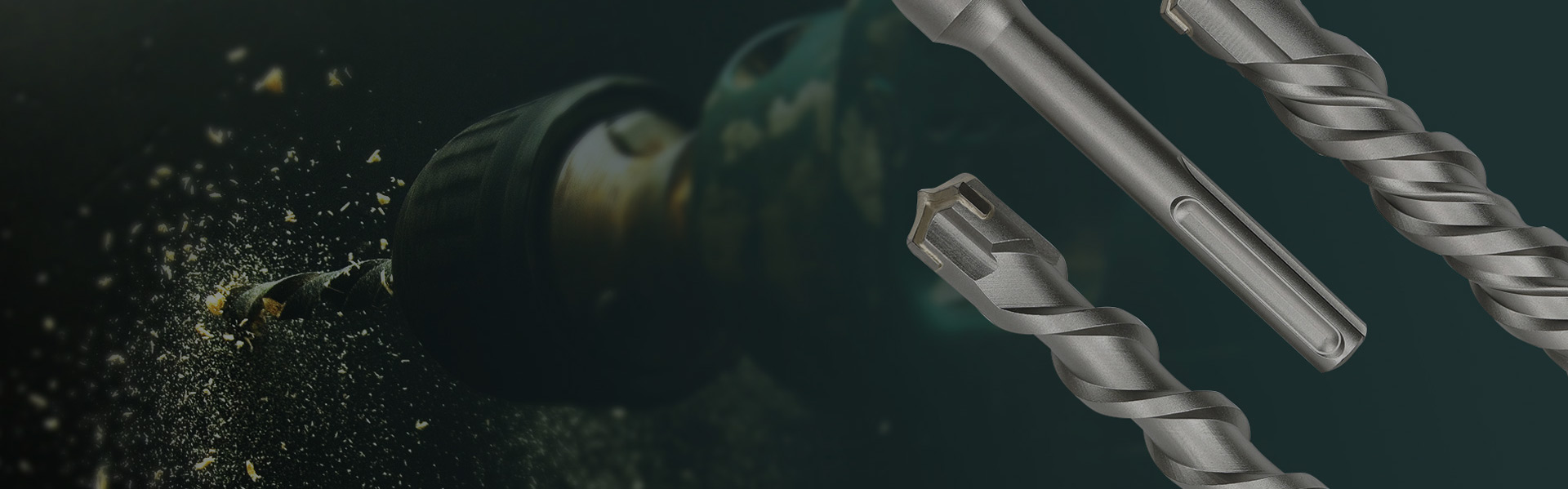
High speed twist drills are widely used in metalworking and general fabrication. On the surface, they look simple. A rotating tool enters material and removes chips as it goes. But in real operation, the forces behind this process are far from simple.
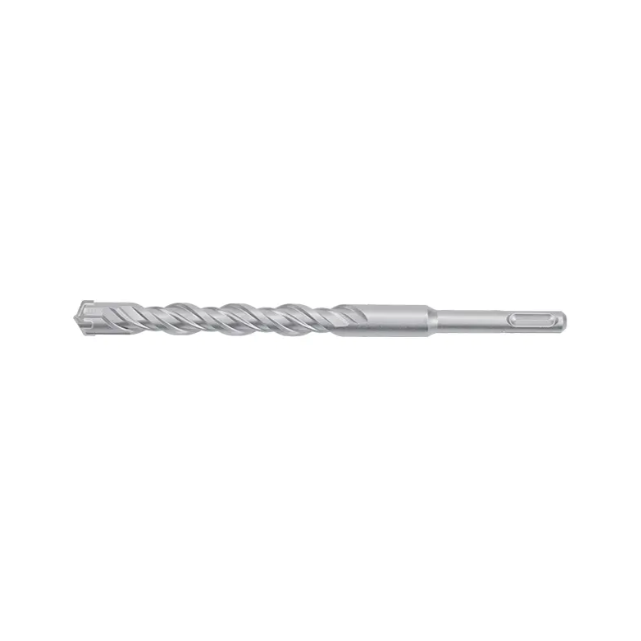
When a drill breaks, it rarely feels sudden in hindsight. There are usually small changes before it happens. A slight vibration. A change in cutting sound. A feeling that the tool needs more effort than usual. These details are often ignored during busy work.
Breakage is usually not caused by one single factor. It is more like several small issues building up at the same time.
A twist drill is never in a relaxed state while cutting. From the moment it touches the material, it is under pressure.
The tip takes most of the load. The sides rub against the wall of the hole. The body rotates continuously while pushing forward at the same time.
In real workshops, conditions are not stable. One piece of material may be softer at the edge and harder in the center. The operator may apply different pressure depending on the situation. Machines may also have small vibrations that are hard to notice.
All of this creates uneven stress. Over time, weak points begin to form inside the drill.
Pressure is one of the easiest things to get wrong during drilling.
When too much force is applied, the drill is pushed into the material faster than it can cut properly. Heat rises quickly, and the cutting edge becomes overloaded.
When pressure is too light, the drill does not cut cleanly. Instead, it starts rubbing against the surface. This creates friction, which also produces heat and wear.
The problem is that pressure often changes during use without the operator noticing. That constant variation puts the drill under repeated stress cycles.
Heat is always present during drilling, even in short operations. The issue is not heat itself, but how much builds up and how quickly it is removed.
If the drill runs continuously without breaks, heat has no time to escape. If the cutting edge is slightly worn, friction increases and generates even more heat.
Once temperature rises too much, the material structure of the drill becomes less stable. It does not fail immediately, but it becomes more fragile under load.
At that stage, even a small change in resistance can trigger a crack.
Rotation speed changes how the drill interacts with the material.
If the speed is too high, the cutting edge wears quickly. It feels like the tool is working fast, but in reality, it is under heavy stress.
If the speed is too low, the drill tends to catch or drag inside the material. This creates uneven force, especially when the material is not uniform.
In both cases, the drill is not working in a balanced condition. Stress builds up in certain areas instead of being distributed evenly.
Material is not always consistent. Even within the same workpiece, hardness can change.
A drill may move smoothly through one section and suddenly meet resistance in another. That sudden change forces the tool to react instantly.
This kind of repeated impact is hard on the cutting edge. Small cracks may begin to form, especially when the material is hard or abrasive.
Some materials also create more friction than others, which increases both heat and wear.
During drilling, chips need to leave the hole smoothly. If they stay inside, pressure starts to build.
When chip flow is blocked, the drill continues rotating but has limited space to release material. This increases both heat and resistance at the same time.
This situation often leads to overload on the cutting edge. In deeper holes, the problem becomes more noticeable because chips have a longer path to exit.
Even small interruptions in chip flow can affect tool stability.
A sharp drill cuts through material with less resistance. A dull one does the opposite.
Instead of cutting cleanly, it starts pushing and scraping. This increases friction and creates uneven force across the tool.
Many users continue working with a dull drill without noticing how much extra stress it creates. The tool still works, but the load is much higher than normal.
Over time, this hidden stress weakens the structure until a sudden break happens.
The drill does not work alone. It depends on the stability of the machine holding it.
If there is vibration, even at a small level, the drill is forced into slight bending during operation. This bending stress is more damaging than straight cutting force.
Misalignment can also cause uneven contact with the material. One side of the drill may carry more load than the other, which increases wear in a specific area.
Even small instability in the machine can gradually shorten drill life.
Operator habits play a bigger role than many expect.
Starting a hole without proper positioning, changing pressure during cutting, or continuing drilling when resistance increases can all affect tool life.
In some cases, operators try to push through harder sections instead of adjusting speed or pressure. That creates sudden stress spikes inside the drill.
Consistent technique usually results in more stable tool performance.
Work environments are rarely controlled.
Dust can increase friction. Moisture can affect both material and tool surface. Temperature changes can shift how both behave during cutting.
These conditions may not cause immediate failure, but they change how the drill performs over time. The same tool can behave differently depending on the environment.
This unpredictability adds another layer of stress.
Drill failure often starts inside the material, not on the surface.
Tiny cracks can form at the cutting edge or along stressed areas. These cracks are not visible during normal use.
With each drilling cycle, the cracks slowly grow. The tool may still function normally until one moment when the stress becomes too much.
Then the break happens quickly, without clear warning at that exact moment.
Even though breakage can feel sudden, there are often early signs:
These signs do not always mean immediate failure, but they suggest the tool is under increasing stress.
Noticing them early often helps prevent unexpected breakage in daily work.
 4008-253-777
Industrial Zone, Furong Town, Yueqing City, Zhejiang Province, China


+86-0577-62298888
+86-0577-62299999

+86-0577-62295777
+86-0577-62297777
Copyright © Fangda Holding Co., Ltd. All Rights Reserved
Metal Drill Bit Sets Suppliers
