



Industry News
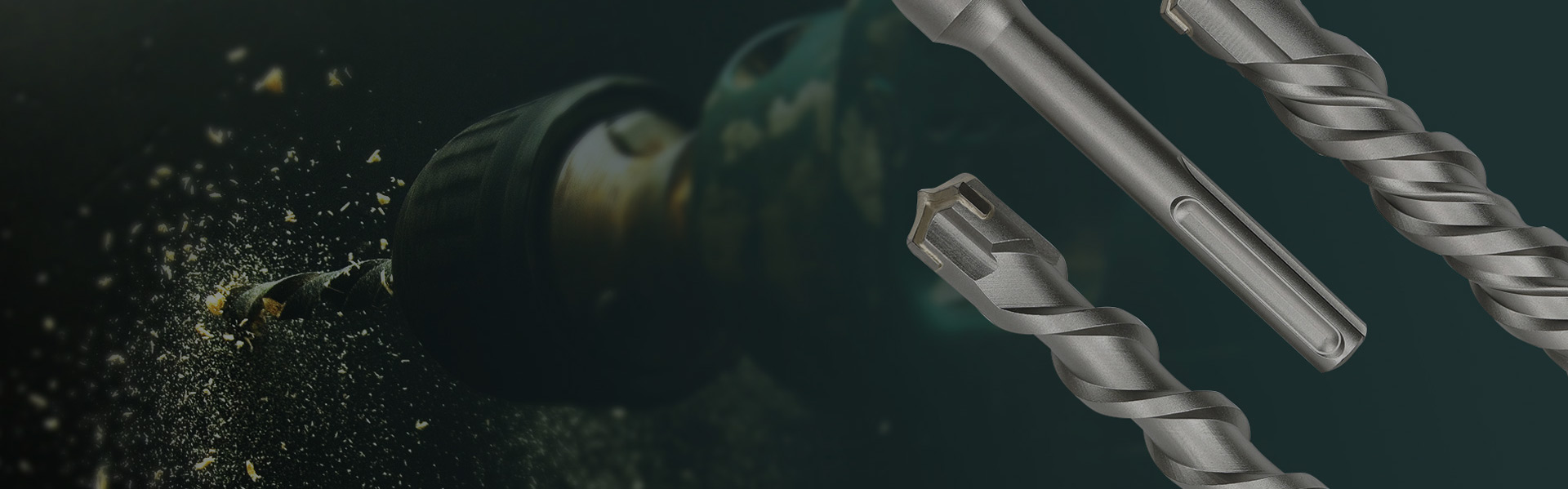
Metric twist drill bits are used in many everyday working scenes, from small repair jobs to metal processing and general workshop drilling. On the surface, most of them look very similar. Same shape, similar color, and almost identical spiral structure.
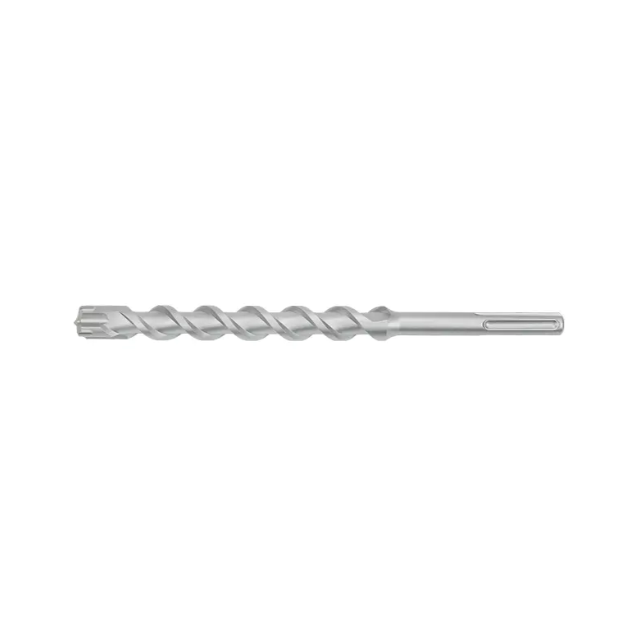
But once they are used, the situation often feels different. One bit may cut smoothly and stay stable. Another may feel slightly rough, lose sharpness sooner, or behave differently when drilling deeper. These differences are not always obvious at the beginning. They usually appear slowly during real work.
Quality is not something that can be judged only by appearance. It shows itself through behavior during use, especially under repeated tasks.
At first glance, it is easy to assume that similar shape means similar performance. In reality, the inside structure and manufacturing consistency can vary even when the outside looks almost identical.
Small differences in material uniformity or edge formation can change how the drill bit interacts with a surface. One bit may enter smoothly and stay steady. Another may feel slightly unstable, especially when resistance increases.
These changes are not dramatic at first. They often show up as small differences in control, vibration, or cutting feel. With more use, the gap becomes easier to notice.
Even before drilling starts, some simple observations can give early hints about quality, although they are not final proof.
A more stable drill bit usually feels balanced when held. The spiral shape looks even from top to bottom, and the cutting edge appears symmetrical. The surface finish also tends to look consistent under light.
Less consistent tools may show small differences. These can include slight unevenness in surface texture or minor imbalance in edge alignment. These signs do not always affect immediate performance, but they can influence long-term stability.
At this stage, the differences are subtle, so experience plays a big role in noticing them.
The most direct way to judge a metric twist drill bit is during actual drilling. Once the tool touches the material, its behavior becomes much clearer than its appearance.
A more reliable bit usually enters the material in a controlled way. The movement feels steady, and resistance increases gradually. As drilling continues, the cutting action stays stable without sudden changes.
A lower consistency bit may behave differently. It can feel slightly unsteady at the start or require more correction to stay aligned. During deeper drilling, resistance may not feel smooth, and small vibrations may appear.
These differences may seem small, but they affect accuracy and comfort during repeated work.
Different materials react differently to drilling, which makes evaluation more complex. A drill bit that performs well in one material may feel different in another.
Soft materials are easier to cut, so differences are harder to notice at first. Harder materials create more resistance, which makes stability more important. Mixed materials add another layer of variation because the resistance changes during drilling.
Because of this, many users test drill bits on more than one material before forming a clear opinion.
| Observation point | More stable behavior | Less stable behavior | What it means in practice |
|---|---|---|---|
| Entry into material | Smooth and controlled | Slight slipping or hesitation | Alignment consistency |
| Cutting feel | Even resistance | Uneven or changing feel | Structural balance |
| Heat response | Gradual change | Faster performance drop | Material stability |
| Edge wear | Slow and even wear | Uneven dulling | Cutting edge quality |
| Long use result | Stable performance | Gradual loss of control | Overall durability |
Stability is one of the most noticeable factors during repeated drilling. When a drill bit is stable, it stays aligned naturally, and the operator does not need to adjust often.
In this situation, the drilling process feels smoother and more predictable. The hole shape is also more consistent, especially in repeated tasks.
When stability is weaker, small adjustments become necessary during operation. The tool may drift slightly or respond unevenly under pressure. Over time, this increases effort and reduces working comfort.
Drilling always creates heat from constant friction between the bit and material. You might barely notice it at first, but over time it slowly affects both the drill bit and the workpiece.
Higher‑quality drill bits can cope with rising heat without losing their cutting performance. Cheaper or less reliable bits start to feel less consistent once used non‑stop.
This issue stands out most during long drilling jobs. As temperature keeps climbing, it directly impacts how smoothly the bit cuts through material.
Wear is normal for all drill bits, but the way it appears can tell a lot about quality. A stable bit usually wears evenly across the cutting edge.
If the quality is lower, wear may appear uneven. One side may become dull faster, or small edge damage may appear earlier than expected. This imbalance can affect drilling accuracy and increase vibration.
Once wear becomes uneven, the bit often needs more pressure to perform the same task, which can speed up further wear.
Experience makes a big difference when identifying quality. People who use drill bits regularly often focus less on appearance and more on behavior during use.
They notice small changes in resistance, sound, and movement. These small signals help them understand whether a drill bit is stable or not.
Less experienced users may rely more on appearance or labeling, while experienced users rely more on real drilling feel. Over time, this practical observation becomes more accurate.
For a set of metric twist drill bits, having uniform quality across every size is really important. Even if one single bit works great, inconsistent performance among the rest can throw off your whole working process.
When every drill bit cuts and handles the same way, switching between different sizes is smooth and doesn't require constant readjustment. That keeps your work pace steady and efficient.
If bits perform unevenly from one size to the next, you'll have to re‑adapt every time you change tools, which breaks your workflow and slows you down.
Not all quality gaps show up right when you start using drill bits. Many only become noticeable after lots of repeated use over time.
At first glance, most drill bits might feel almost identical. But after long‑term regular use, differences start to show — like how fast they wear down, how stable they cut, and whether their performance stays reliable.
Judging bits based on long‑term real‑world use is far more accurate than quick initial tests, since it shows how they actually hold up in real working conditions, not just first‑time performance.
Instead of focusing only on appearance, it is more practical to observe behavior. Entry smoothness, cutting stability, and wear pattern are more useful indicators.
Testing on different materials also helps reveal hidden differences. A stable drill bit usually performs in a predictable way across different surfaces.
Selection becomes more reliable when based on repeated use rather than single impressions.
Metric twist drill bits may look similar, but their performance can vary in real use. Small differences in structure, cutting behavior, and wear response all contribute to how the tool feels during operation.
In practical work, appearance is only the starting point. The real difference is shown in stability, consistency, and long-term behavior across different materials.
Understanding these patterns helps users choose more suitable tools and maintain smoother drilling performance in everyday tasks.
 4008-253-777
Industrial Zone, Furong Town, Yueqing City, Zhejiang Province, China


+86-0577-62298888
+86-0577-62299999

+86-0577-62295777
+86-0577-62297777
Copyright © Fangda Holding Co., Ltd. All Rights Reserved
Metal Drill Bit Sets Suppliers
