



Industry News
Home / News / Industry News / How to Choose the Right HSS Twist Drill Bit Set for Different Materials
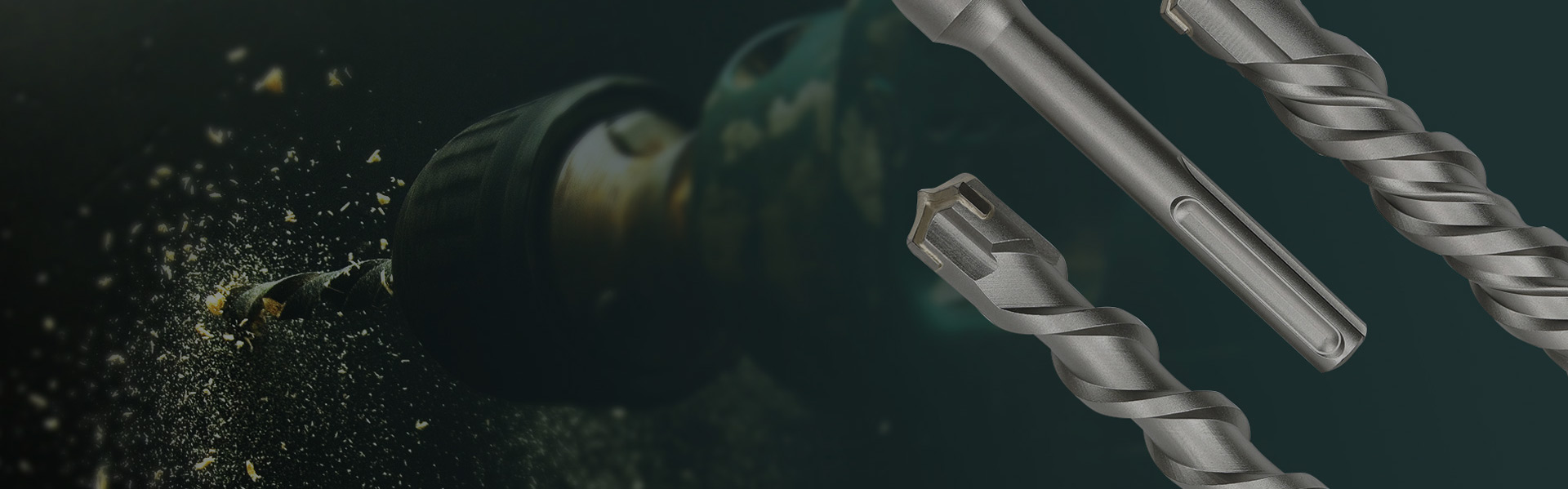
HSS Twist Drill Bit Set is a common tool in workshops, repair work, and general drilling tasks. It looks simple at first glance, but the way it performs changes a lot depending on what you are drilling into. Metal, wood, plastic, or mixed materials do not react the same way, even if the drill bit is the same.
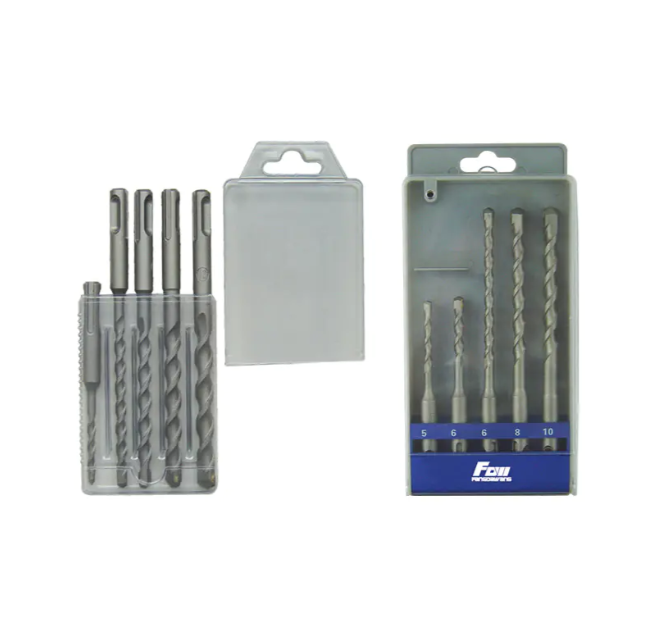
In real use, people often notice this difference after a few jobs. A bit that feels smooth on wood may struggle on metal. One that cuts cleanly on plastic may feel less stable on dense surfaces. This is where selection starts to matter more than expectation.
Materials are not just "hard" or "soft." Their internal structure affects how the drill bit enters and moves through them. Some surfaces break into chips, some form continuous shavings, and some react by melting or deforming slightly under heat.
Because of this, the cutting edge does not meet the same kind of resistance every time. In some cases, it glides in with little effort. In others, it needs steady pressure and controlled movement to avoid slipping or overheating.
This is also why an HSS Twist Drill Bit Set is often used as a general option, but still requires careful matching to the actual job.
HSS (High Speed Steel) is used because it keeps a balance between hardness and toughness. It can handle continuous rotation and moderate heat without losing its cutting ability too quickly.
But this does not mean it works the same way everywhere. It simply gives a stable base. The real performance still depends on how it is used and what material it meets.
In daily work, users tend to rely on HSS sets because they cover a wide range of common materials without switching tools too often.
Metal is usually the most demanding material for drilling. It does not give in easily, and it creates steady resistance during the entire process. The feel is more controlled and less forgiving.
When drilling metal, the bit needs to stay stable from the moment it touches the surface. Any small movement can cause slipping or uneven entry. As the depth increases, resistance often becomes more noticeable.
In real workshops, users often pay attention to how smoothly the bit starts. If the entry feels stable, the rest of the process is usually easier to manage. If it feels rough at the start, the whole drilling process may require more careful control.
Wood behaves in a more uneven way than metal. Some sections are soft, while others are denser. This creates a different kind of resistance pattern during drilling.
Instead of continuous pressure, the bit may pass through alternating resistance levels. In some cases, the material cuts cleanly. In others, the surface may tear slightly if the cutting action is not smooth.
A good drilling experience in wood is usually defined by clean entry and clean exit, without rough edges around the hole. Even though wood is easier to drill, control still matters.
Plastic is more sensitive to heat and pressure. During drilling, friction builds up faster than many people expect. If heat increases too quickly, the material may soften or deform instead of forming a clean hole.
This creates a slightly different working feel. The operator often needs to keep the movement steady and avoid forcing the bit forward. Letting the tool work at a stable pace usually gives a cleaner result.
In practical use, plastic drilling is less about strength and more about balance between speed and pressure.
| Material Type | What You Feel During Drilling | Common Issue | What Matters Most |
|---|---|---|---|
| Metal | Steady resistance, firm entry | Heat buildup over time | Stable pressure and control |
| Wood | Uneven resistance, softer feel | Rough edges or tearing | Clean cutting and smooth entry |
| Plastic | Light resistance, heat-sensitive | Surface deformation | Balanced speed and gentle pressure |
| Mixed materials | Changing resistance levels | Inconsistent feedback | Adaptability during drilling |
Speed is not just about finishing faster. It directly changes how the drill bit interacts with the material. If the speed is too high, heat builds up quickly. If it is too slow, the cutting action may feel unstable or uneven.
Different materials react in different ways. Metal usually needs a steady pace. Wood allows more flexibility. Plastic requires more attention because it can change shape under heat.
In real working conditions, speed is often adjusted based on how the material "feels" during drilling, not just based on fixed settings.
Heat is created every time the drill bit rotates against a surface. At first, it may not seem important, but over time it changes both the tool and the material.
In metal, heat can slowly reduce cutting smoothness. In plastic, it can cause softening or melting at the edge. Even in wood, too much heat may leave dark marks or burnt edges.
What makes heat tricky is that it builds up gradually. It is not always noticeable at the start of drilling, but becomes more obvious during longer use.
Even with the right HSS Twist Drill Bit Set, the person using it still influences the result. Pressure, angle, and movement consistency all affect how the bit behaves.
Many experienced users do not rely on force. Instead, they adjust based on feedback from the material. If resistance increases, they slow down slightly. If the bit moves smoothly, they maintain a steady rhythm.
This kind of adjustment is difficult to measure, but it often decides the quality of the final hole.
Material thickness changes how long the drill bit stays in contact with resistance. Thin materials may feel quick but require more precision. Thick materials take longer and create more continuous load on the tool.
With thicker materials, stability becomes more important. Any small imbalance can affect the hole quality. With thinner materials, control at the exit point becomes more important to avoid damage.
This difference is often only noticed after working with both types in real conditions.
It is easy to assume that one drill bit set can handle all materials in the same way. In practice, each material creates a different working environment.
A set may feel smooth in wood but slightly slower in metal. It may perform well in plastic but require more control in dense surfaces. These differences are normal and expected.
Because of this, selection is less about finding a universal tool and more about understanding where it works comfortably.
With time, users stop focusing only on appearance or labels. They start paying attention to how the tool behaves. Entry smoothness, resistance feel, and cutting consistency become more important than descriptions.
This kind of practical awareness usually develops after repeated use in different materials. It is based more on observation than theory.
Over time, selection becomes a simple decision: choosing the set that feels stable in the intended working environment.
Choosing an HSS Twist Drill Bit Manufacturer for different materials is less about strict rules and more about understanding how materials respond during drilling. Metal, wood, and plastic each create their own working conditions, and the tool has to adapt to those differences.
There is no single setting that fits every case. The key is matching the tool's behavior with the material's reaction. When that balance feels right, drilling becomes smoother, more controlled, and more predictable in everyday use.
 4008-253-777
Industrial Zone, Furong Town, Yueqing City, Zhejiang Province, China


+86-0577-62298888
+86-0577-62299999

+86-0577-62295777
+86-0577-62297777
Copyright © Fangda Holding Co., Ltd. All Rights Reserved
Metal Drill Bit Sets Suppliers
