



Industry News

In modern woodworking, precision is not merely a technical expectation—it is a creative necessity. Whether a craftsperson is assembling custom cabinetry, producing decorative moldings, crafting joinery, or shaping bespoke furniture components, the tools selected directly influence both the efficiency of the workflow and the refinement of the finished piece. Among these essential tools, router bits stand out as some of the most versatile and transformative. Brands like fangda-tools have contributed to this landscape by developing thoughtfully engineered solutions that support artisans, hobbyists, and professional woodworkers alike. Their approach to toolmaking underscores an important reality: high-quality tooling does not just cut material; it empowers the maker to elevate the standard of their entire craft.
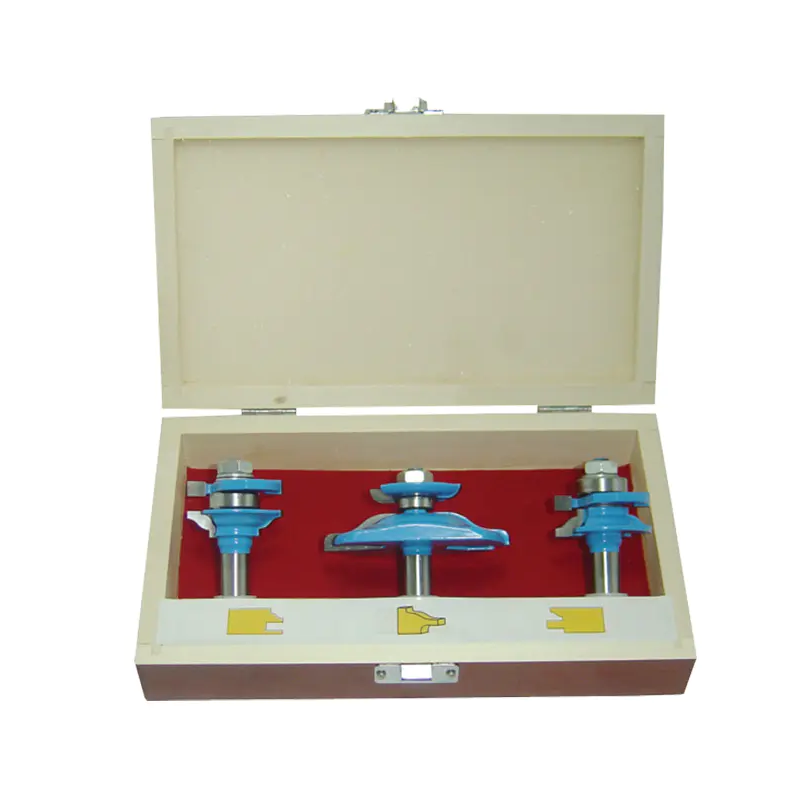
The realm of Woodworking Router Bits encompasses more than just the cutting profiles familiar to many users. These tools are mechanical extensions of a woodworker's creative intent—pathways that shape, hollow, bevel, join, trim, and guide. Each bit profile reflects a specific functional philosophy, and each construction detail reveals a deeper understanding of how wood behaves under speed, pressure, and heat. As woodworking has diversified into niches like fine furniture, architectural detail, small-batch manufacturing, and digital fabrication, router bits have become even more crucial, serving as a bridge between conceptual design and tangible workmanship.
At first glance, router bits appear simple: a steel body, cutting edges, and sometimes a bearing. But high-performance bits often incorporate advanced metallurgy, multi-axis grinding systems, and coatings tailored for wear resistance. Precision-ground carbide edges, for example, ensure longevity and clean results even on dense or abrasive materials such as hardwoods, composites, and engineered boards. This technical foundation matters deeply. When a bit maintains its sharpness and structural accuracy over extended use, the woodworker benefits from consistent cuts, reduced tear-out, and a smoother workflow overall.
| Category | Description |
|---|---|
| Material Quality | High-grade steel bodies and precision-ground carbide cutting edges ensure durability and clean results. |
| Cutting Performance | Proper flute geometry, balance, and heat resistance reduce tear-out, vibration, and wear. |
| Versatility | Various bit profiles (straight, round-over, chamfer, flush-trim, etc.) support diverse woodworking applications. |
| Durability & Longevity | Industrial-grade materials and coatings extend lifespan and minimize replacement frequency. |
| Safety Features | Anti-kickback design and stable rotation reduce the risk of accidents and improve user control. |
| Workflow Efficiency | Clean cuts reduce sanding time, improve accuracy, and increase overall productivity. |
| Creative Potential | Consistent profiles empower fine detailing, custom shaping, and experimental design work. |
| User Accessibility | Suitable for both beginners and professionals, enabling skill development and reliable performance. |
Wood is an unpredictable material. Grain direction changes within a single board, density varies between species, and moisture levels influence cutting behavior. A well-designed router bit compensates for these variables, offering clean shearing action and stability at high rotational speeds. Manufacturers who specialize in producing dependable bits pay close attention to balance, vibration control, and flute geometry. These elements might seem subtle, but they dramatically shape the user experience. Reduced vibration, for instance, means higher control, less fatigue, and greater confidence, especially during edge-routing or when working on narrow stock.
One of the reasons router bits remain indispensable is their sheer versatility. A single router equipped with the right assortment of bits can perform tasks that might otherwise require several separate tools. Straight bits open grooves and mortises, round-over bits soften edges, chamfer bits introduce an architectural bevel, and flush-trim bits help replicate templates or refine curves. More specialized profiles—like stile-and-rail sets, raised-panel cutters, or box-joint bits—further expand creative possibilities.
This versatility empowers woodworkers across different skill levels. Beginners gain an accessible way to explore shaping techniques without investing heavily in large, dedicated machines. Experienced professionals use router bits to refine complex assemblies or achieve custom shapes that cannot be produced with off-the-shelf moldings. And small workshop owners leverage them to increase production flexibility without sacrificing space or capital.
A router bit is an investment, not a disposable accessory. When the bit is engineered with industrial-grade carbide and manufactured with tight tolerances, its lifespan extends significantly. This durability translates to value beyond its price tag. Fewer replacements mean less downtime, and sharp, reliable bits contribute to a safer working environment. A dull or imprecise tool not only compromises the quality of the work but can also increase the risk of kickback or binding.
Brands that emphasize craftsmanship in toolmaking—such as fangda-tools—understand that woodworkers depend on continuity. Every project completed with consistent performance builds trust in the tools, and this trust is essential when precision is the backbone of the craft. From small decorative elements to large load-bearing joinery, knowing that the cutting edge will behave exactly as expected allows the woodworker to work faster, cleaner, and with greater peace of mind.
Modern workshops, whether professional or enthusiast-level, encounter a wider range of materials than ever before. Beyond hardwoods and softwoods, there are plywood variants, laminates, composites, plastics, and even aluminum components in certain hybrid assemblies. High-quality router bits must be adaptable to this evolving material ecosystem.
Heat resistance becomes essential during extended passes or when working on resin-infused boards. Anti-kickback designs contribute to smoother feeding and reduce strain on both the operator and the equipment. Micro-grain carbide remains standard for long wear life, while some bits incorporate surface treatments that decrease friction and extend cutting performance. The synergy of these features determines how confidently a craftsperson can tackle ambitious projects.
One often overlooked aspect of router bits is their influence on the creative process itself. When a tool performs predictably, designers and artists feel more freedom to experiment. A flawless round-over edge or a crisp V-groove can become signature details in a piece, and the availability of these details directly depends on the bit's accuracy. Precision tooling allows creators to work at the limits of their imagination without battling inconsistencies.
Even in production settings, creativity is not abandoned—it is refined. Accurate bits ensure repeatability, which is critical for multi-part assemblies or batch manufacturing. When each cut mirrors the last, the workflow becomes more harmonious. Time saved on sanding, reworking, or fitting adjustments can instead be redirected toward conceptual development, new product lines, or finishing techniques that elevate the final product.
Efficiency in woodworking is not about rushing; it is about eliminating unnecessary friction in the process. A router bit that cuts cleanly and consistently contributes directly to this goal. Reduced tear-out means less sanding. Accurate profiles mean less hand-tool correction. Smooth chip evacuation means fewer interruptions to clear debris. These small gains accumulate into significant time savings over the course of a large project.
Confidence in your tools enhances workmanship. When the user knows that the bit will track smoothly along a guide bearing or slot cleanly into a jig, they can focus fully on technique, safety, and creative intent. This confidence is one of the defining traits of a well-made bit, and it is a trait highly valued by both advanced professionals and dedicated novices.
As woodworking continues to attract new enthusiasts—thanks in part to online communities, maker spaces, and accessible digital fabrication tools—there is an increasing need for reliable, approachable equipment. Router bits are often among the first specialized tools purchased by new woodworkers, and their quality can shape early experiences with the craft.
A precise, dependable bit makes learning rewarding. Cuts behave as expected, results look sharp, and beginners feel motivated to push further. Poor-quality tooling, however, can discourage progress by introducing unnecessary struggles or masking errors in technique. For newcomers to develop genuine skill, the tools must support rather than hinder the learning curve.
Manufacturers who emphasize performance and consistency contribute meaningfully to this educational pathway. Their tools enable skill development and foster a deeper appreciation for craftsmanship, ultimately strengthening the entire woodworking community.
Router bits may be small in size, but their impact is substantial. They embody the intersection of engineering, design, and craft. Their performance influences everything from safety and efficiency to creativity and finishing quality. When woodworkers choose bits from trusted makers—including specialized producers such as fangda-tools—they are not simply selecting accessories. They are choosing reliability, longevity, and a foundation on which excellent work can be built.
As woodworking continues to evolve—merging traditional handcraft with modern machining, blending natural materials with engineered composites, and integrating classic techniques with digital workflows—the humble router bit remains as vital as ever. Its precision shapes design. Its durability supports production. And its versatility ensures that no matter how the craft changes, the potential for creativity remains boundless.

 4008-253-777
Industrial Zone, Furong Town, Yueqing City, Zhejiang Province, China


+86-0577-62298888
+86-0577-62299999

+86-0577-62295777
+86-0577-62297777
Copyright © Fangda Holding Co., Ltd. All Rights Reserved
Metal Drill Bit Sets Suppliers
