



Industry News
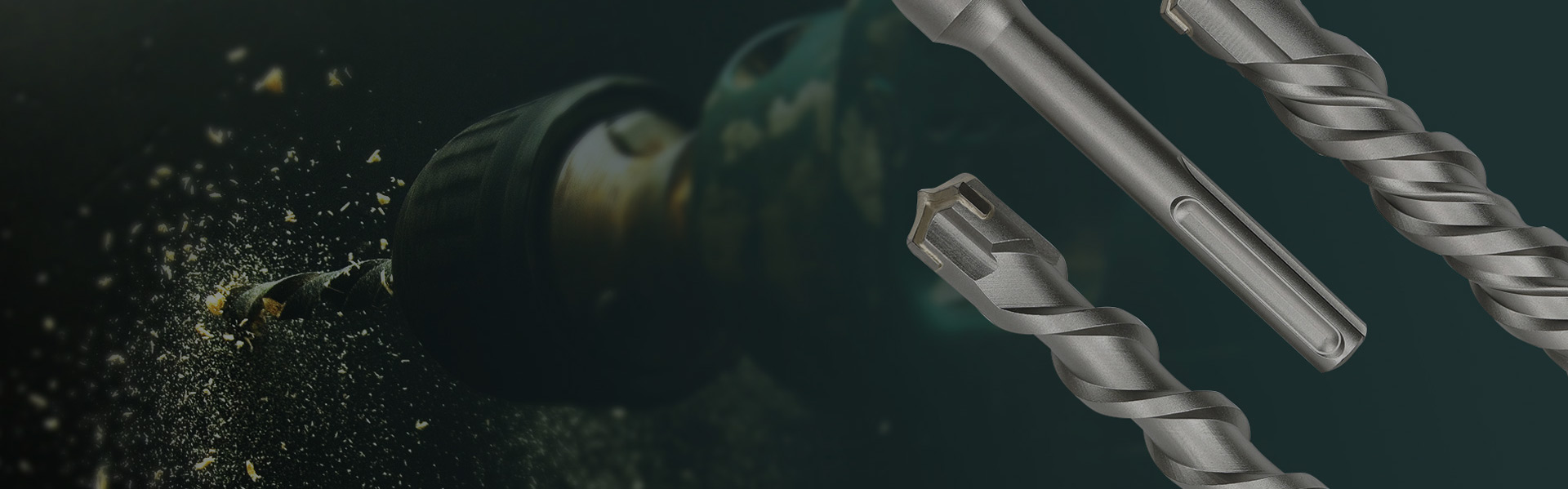
A hole saw for steel plate is one of those tools that often looks simple on the outside, but behaves very differently once it starts working on metal. In workshops, construction sites, and fabrication areas, it is used when a clean round opening is needed on steel surfaces.
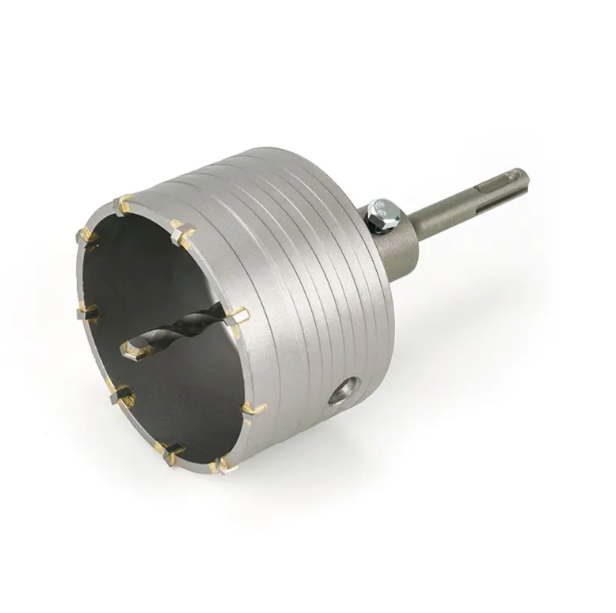
At first glance, it is just a hollow cutting head attached to a drill. But in real work, it plays a specific role that basic drill bits or cutting wheels do not easily replace. Steel is not a soft material. It resists cutting, reacts to pressure, and tends to show every mistake on the surface. That is where this tool becomes useful.
In daily metalwork, circular openings are more common than they might seem. Steel plates are rarely used as plain flat surfaces. They are usually part of a larger structure, enclosure, or frame.
A hole saw is typically used when there is a need to create space without changing the surrounding structure too much.
Some common situations include:
What makes these tasks similar is not the size of the hole, but the need for a controlled round shape that fits another part exactly.
In many cases, the hole is not decorative. It has a functional purpose that affects how different components connect.
Steel behaves differently from softer materials like plastic or wood. It does not give in easily. When pressure is applied, it resists rather than deforming.
Because of that, cutting a steel plate is not just about force. It is more about control.
If the cutting path is unstable, the edge becomes rough. If pressure changes too quickly, the shape may lose accuracy. Even small shifts in movement can leave marks that are difficult to correct afterward.
A hole saw helps manage this by working in a circular path instead of breaking through the material all at once. The cutting happens gradually along the edge, which makes the process easier to control.
When the tool first touches the steel surface, nothing dramatic happens. It usually starts with a light contact. Then the rotation slowly begins to form a circular path.
At this stage, the tool does not remove a large amount of material immediately. Instead, it starts shaping the edge bit by bit.
Steel reacts slowly, so the operator often feels steady resistance rather than quick cutting action. That resistance is normal. It is part of how the material responds.
As the cut continues, a ring-shaped path becomes more visible. The center of the material stays in place until the full circle is completed.
In real workshop conditions, this process often feels like:
There is no sudden break. The result appears only after a full rotation is completed.
This tool is not limited to one type of workplace. It appears wherever steel sheets or metal panels are part of the structure.
In fabrication workshops, it is used during assembly of metal frames or enclosures. In installation work, it helps create access points for cables, pipes, or connectors. In maintenance environments, it is used when existing steel structures need adjustment or modification.
Some typical working areas include:
The common factor is simple: steel plates that need modification without full replacement.
Circular openings are not just about shape. In many cases, they help distribute stress more evenly across the material.
Sharp corners in metal structures tend to concentrate force. Round shapes reduce that effect. That is one reason why circular holes are often preferred in mechanical and structural design.
A hole saw helps create that shape in a controlled way. Instead of reshaping the entire plate, it focuses only on the required area.
This makes it practical when:
The shape is simple, but the function behind it is quite important.
In steel plate work, stability is often more important than speed. If the tool shifts even slightly during cutting, the circle may lose accuracy.
Unlike softer materials, steel does not forgive irregular movement easily. Once the edge becomes uneven, it is difficult to fix without additional work.
Common issues caused by instability include:
That is why operators tend to focus more on steady handling rather than pushing the tool faster.
A stable cut often comes from consistent movement rather than force.
There are multiple ways to create openings in steel plates. Each method behaves differently.
Some methods remove material from the center outward, while others cut along a line or grind through the surface. A hole saw follows a different approach by cutting only along the outer edge of the circle.
In real work environments:
This does not make one method better than another. It only means each tool fits different working conditions.
Hole saws are often chosen when the goal is a clean, controlled round shape without too much finishing afterward.
Over time, the cutting edge slowly wears down. This does not happen suddenly. It is a gradual process that becomes noticeable through small changes in cutting behavior.
Operators may start to feel that:
These signs usually appear after repeated work on steel surfaces.
Even then, the tool still functions. It just requires more attention during operation to maintain clean results.
Even with newer cutting technologies available, hole saws for steel plate remain common in many working environments.
The reason is not complexity. It is simplicity.
The tool does not require complex setup. It produces a predictable circular result. And it fits naturally into everyday metalworking tasks where consistency is more important than speed.
In real workshops, tools that behave in a stable and understandable way are often preferred. Workers know what to expect, and adjustments can be made quickly during use.
That is why this tool continues to appear in both small-scale and industrial environments where steel modification is part of regular work.

 4008-253-777
Industrial Zone, Furong Town, Yueqing City, Zhejiang Province, China


+86-0577-62298888
+86-0577-62299999

+86-0577-62295777
+86-0577-62297777
Copyright © Fangda Holding Co., Ltd. All Rights Reserved
Metal Drill Bit Sets Suppliers
