



Industry News
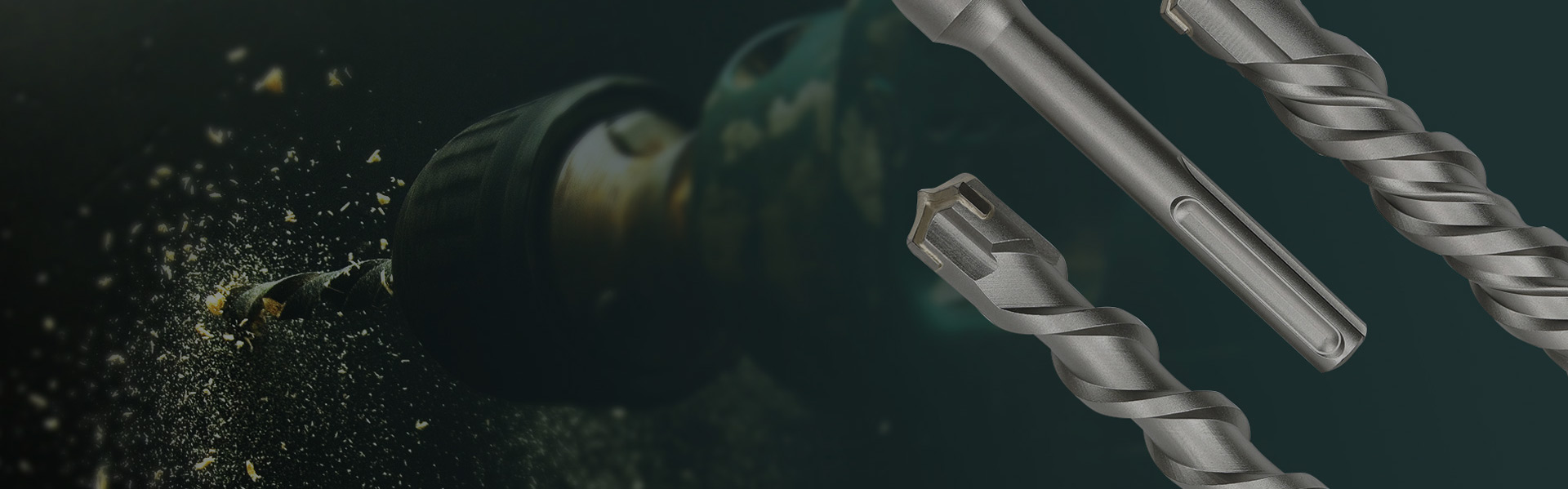
A steel chisel is a simple, time-honored tool used to cut, shape, remove, or split materials by hand when struck with a hammer or mallet.
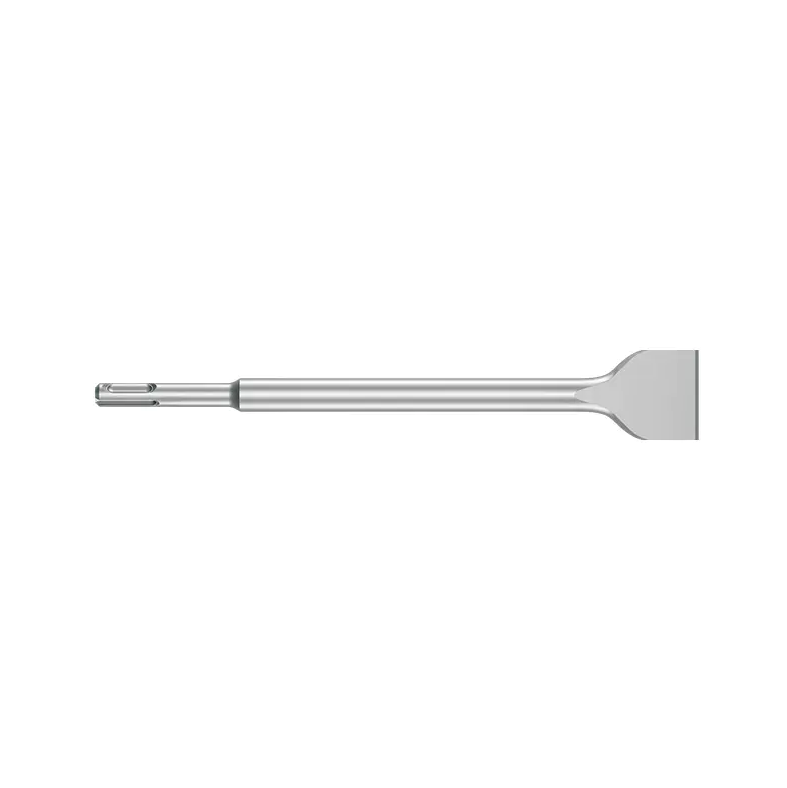
Hand tools remain important because they offer control, simplicity, and reliability in situations where powered equipment is not appropriate or available. The steel chisel continues to serve roles across small repair shops, sheet metal work, demolition tasks, automotive repair, and craft metalworking. For many trade tasks, its combination of mechanical advantage and tactile feedback makes it the preferred choice for targeted cutting and removal.
Producers focus on consistent quality, traceability, and practical features. A firm like Fangda-Tools typically offers product lines that cater to both professional users and hobbyists. Distribution channels mix traditional dealers, tool suppliers, and digital storefronts. Commercial buyers frequently evaluate a tool by its durability, design ergonomics, and after-sales support rather than a single technical measurement.
At its core a steel chisel is composed of two parts: a working end with a sharpened edge and a body that transfers impact energy from a striking tool. The working end must resist deformation and retain a cutting edge under repeated blows, while the body should absorb shock without cracking.
Manufacturers select steel grades and apply heat treatment processes that yield a combination of toughness and edge stability appropriate for the intended use. Rather than making performance promises that could be misread, responsible product descriptions emphasize compatibility with certain applications and recommended handling practices. For example, some styles are intended for metalworking where the user applies a hammer blow, whereas others are shaped for masonry or woodworking where different forces and striking surfaces are involved.
Design aspects that influence user experience include head geometry, blade profile, surface finish, and any protective coating. Many companies also consider handle design or whether the chisel is intended for direct striking or to be used with a hammer cap. Clear labelling about intended use and safety warnings helps meet legal and industry expectations.
Making a reliable driving-edge tool involves several steps, each subject to controls:
Producers aim to keep manufacturing records and testing protocols so that batches can be traced if issues appear later. This kind of traceability supports quality assurance and gives distribution partners confidence in supply reliability.
A single component of a toolkit can serve many industries. Typical areas of use include:
Each environment places different demands on tool endurance and user technique. Manufacturers and distributors usually provide guidance so buyers can select the right item for a given task. This approach reduces the risk of misuse and helps shops manage inventories more efficiently.
A tool is only as safe as the environment and technique used with it. Common safety recommendations include:
Firms typically include safety labels and simple pictograms on packaging to communicate these points clearly, which aligns with advertising and product safety regulations.
Companies that market hand tools must follow rules that aim to prevent misleading claims and ensure consumer safety. Key principles include:
These constraints encourage brands to focus on user education and transparent communication rather than hyperbole. For industrial buyers, warranty clarity and documentation about production controls often matter more than marketing adjectives.
Steel is inherently recyclable, and many purchasers consider end-of-life handling when choosing materials. Manufacturers interested in sustainability might emphasize aspects such as:
These are responsible marketing topics that can be described factually. They also resonate with procurement policies in organizations that give weight to environmental considerations.
| Style name | Typical use case | Striking method | Notable handling tip |
| Flat edge type | Trimming and slicing small areas of soft to medium metals | Hammer strikes to the chisel head | Keep the blade angle controlled to avoid digging |
| Pointed type | Breaking up material or initiating cuts | Direct hits with a hammer | Use short, precise strikes to focus force |
| Wide blade type | Spreading and removing larger sections | Heavier blows spread over the face | Maintain a secure grip to control recoil |
| Bevelled edge for finishing | Cleaning seams and smoothing edges | Controlled tapping or light strikes | Maintain a consistent bevel for predictable results |
A dependable edge is possible to maintain with routine care. Suggested practices include:
Clear maintenance advice enables owners to extend service life without promising indefinite performance.
Because purchasers often cannot or do not want to compare technical data sheets on the spot, consider these pragmatic checks:
These measures help commercial buyers and individual users make decisions that align with their needs while reducing the chance of disappointment.
Several dynamics influence demand for robust hand tools:
These trends do not single-handedly determine the fate of any one product line, but they shape the expectations that users place on manufacturers and distributors.
In commercial repair facilities, operators often rely on handheld cutting tools for quick interventions that would be impractical with powered equipment. In these settings, a chisel is valued for controllability and selectivity. A procurement manager may balance unit cost, anticipated replacement intervals, and supplier responsiveness when choosing a brand for routine supply.
In smaller artisan shops, the tool's tactile feedback is prized; makers appreciate a consistent edge geometry that allows them to shape parts with minimal fuss. Again, clarity in product communication helps these buyers pick a model suited to their working rhythm.
These observations are illustrative and do not attribute specific claims to any single vendor beyond their participation in the market.
When companies describe a hand tool, compliance with advertising rules means emphasizing verifiable facts and clear limits. Useful content includes recommended applications, handling guidance, and details about after-sales support without asserting unmeasured performance superiority. Presenting customer testimonials, when accurate and not misleading, can complement factual material, provided they are not cherry-picked or presented as universally representative.
For business-to-business sales, detailed commercial terms and documentation about manufacturing controls, traceability, and delivery options are central to procurement choices. Marketing collateral should therefore be tailored to the audience: clear and practical for trade buyers; instructive and reassuring for retail customers.
Manufacturers watch several areas as potential avenues for refinement:
New features are evaluated primarily through field testing and user feedback; marketing reflects validated improvements rather than speculative advantages.
A steel chisel remains a practical, widely used implement because of its straightforward function, adaptability, and long-standing role in many trades. Companies such as Fangda-Tools operate within a landscape that prizes consistent manufacturing, clear user guidance, and responsible messaging. For buyers, the ideal choice balances the intended application, handling preferences, and confidence in supplier support, rather than depending on single phrases or promotional tags.
In a market shaped by safety expectations and supply chain transparency, accurate product descriptions and accessible after-sales care help build useful relationships between makers and users. When selecting a driving-edge tool, purchasers should focus on fit for purpose and documented support, apply recommended safety practices, and maintain tools with modest, regular attention so they provide predictable service over time.
 4008-253-777
Industrial Zone, Furong Town, Yueqing City, Zhejiang Province, China


+86-0577-62298888
+86-0577-62299999

+86-0577-62295777
+86-0577-62297777
Copyright © Fangda Holding Co., Ltd. All Rights Reserved
Metal Drill Bit Sets Suppliers
