



Industry News
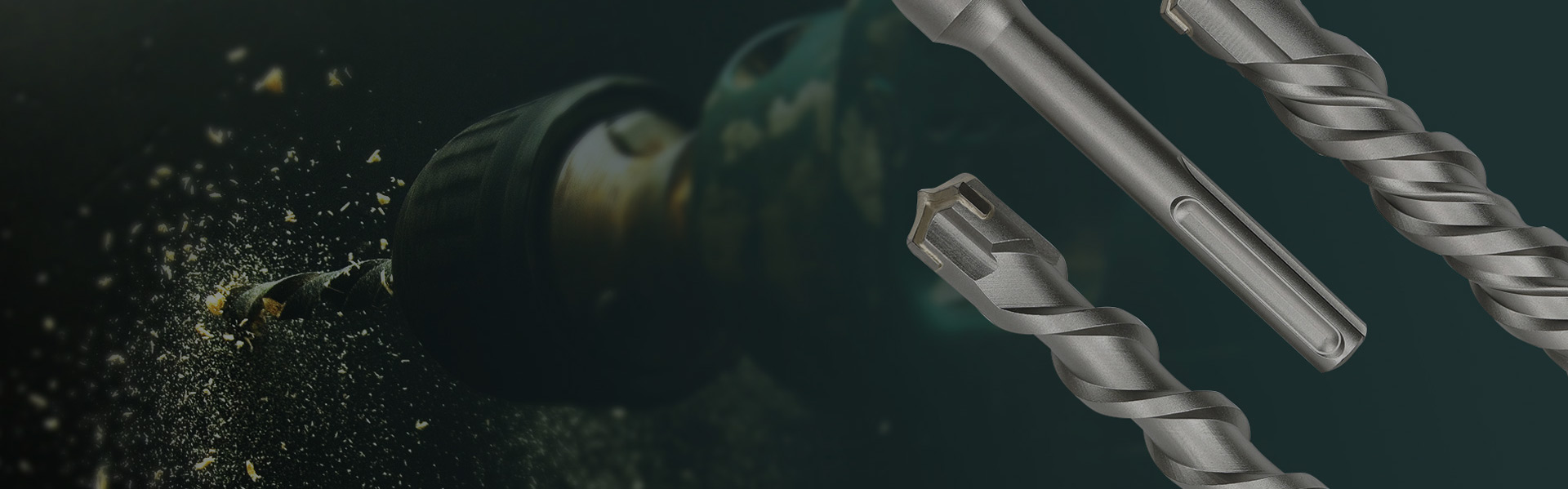
An HSS twist drill bit is a widely used rotary cutting tool for producing round holes in a variety of workpieces.
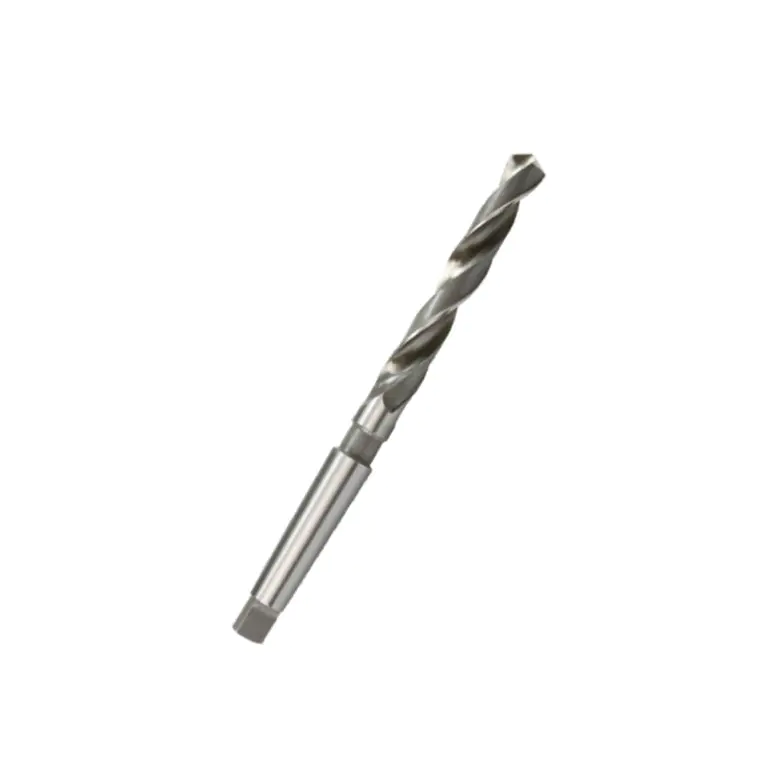
At its core, a twist drill converts rotational motion into a circular cut. The helical grooves — called flutes — evacuate chips while the tip establishes the initial opening. When made from high-speed steel the bit combines a degree of hardness with resistance to heat build-up during cutting, making it suitable for a broad range of day-to-day drilling tasks across many trades and production environments. This combination of form and material explains why the tool remains common in workshops and maintenance shops alike.
Fangda-Tools lists a series of HSS straight-shank and related twist drills within its catalogue, positioning the assortment for general fabrication, repair work and light production tasks. Supplier literature typically describes product families by intended applications and handling notes rather than by laboratory-only parameters, enabling purchasers to match items to machines and materials in their own shops. Fangda's web pages and product listings provide images, product family names and application guidance to support buyer selection and trial work.
These cutting tools appear in many settings:
Operators decide on a particular style by considering how the drill will be held, the workpiece material and the machining routine. In each case, the geometry and handling approach influence chip evacuation, heat control and hole quality.
High-speed steel is a family of tool steels that includes a mixture of alloying elements added to carbon steel. These combinations aim to preserve cutting edges at elevated temperatures and to provide an acceptable balance between wear resistance and toughness for everyday use. Manufacturers may produce flutes and tips by milling, rolling or forging and will sometimes apply surface treatments in later stages to influence frictional behavior and wear patterns. Buyers should treat product descriptions and sample trials as their primary source of confirmation, since manufacturing choices can shift how a bit behaves in a given process.
Rather than using numerical jargon, it is helpful to think of variants in geometric and attachment terms:
These visible and functional differences let operators choose an item that matches their machine and the material at hand. Manufacturers such as Fangda-Tools present these options alongside photos and handling pointers so purchasers can plan a trial under representative conditions.
A range of finishes may appear on modern drill lines. Some are applied to reduce friction or to change how heat is managed during cutting; others aim to extend usable life in repeated duty cycles. A coating does not alter the underlying material, but it can change how the bit performs in specific tasks. Buyers should avoid assuming an appearance or a marketing phrase guarantees a universal effect; instead, test coated and uncoated items under the specific environment they will be used in. Manufacturer guidance about handling and storage is a useful complement to in-plant testing.
Although the tool family is versatile, the appropriate choice depends on the workpiece:
These are operational heuristics rather than absolute rules; testing in the actual workshop environment remains the best way to confirm fit.
Procurement teams often combine supplier material with hands-on trials. Useful inputs from a vendor include clear product descriptions, sample availability for pilot cutting, packing and traceability information, and guidance on handling. Fangda-Tools and similar suppliers typically publish product pages, catalogues and news items that allow buyers to shortlist lines for testing. Running small-scale trials under representative machine settings helps confirm whether a selected item meets the shop's expectations for hole quality and tool life.
Industry reports indicate continued interest in the drill consumables segment, with recent market analysis pointing toward steady expansion in demand for metal cutting tools. This trend is influenced by ongoing activity in manufacturing, the need for replacement tooling in maintenance operations, and incremental improvements in production techniques. For buyers and distributors, the expanding market means more choice and a stronger emphasis on supplier services such as sampling, quick delivery and application support.
Procuring cutting tools also links to broader material markets. For example, shifts in prices or availability for key raw materials can ripple through the tooling supply chain and affect lead times or unit cost considerations. Recent reporting on strategic metals used in advanced cutting solutions highlights how changes in commodity flows may influence the broader tool sector. Buyers should therefore keep an eye on supplier communications and market bulletins when planning larger or recurring orders.
Day-to-day success with twist drills depends on a few straightforward actions:
Operator attention in basic setup and monitoring often yields greater gains in productivity than any single product choice.
Rather than relying on a single claim, shops often assess a drill by these practical indicators:
These criteria translate lab notions into shop-floor checks that are quick to perform and simple to document.
When comparing options, teams routinely consider the immediate purchase price along with other factors that affect cost in use:
A balanced procurement decision looks beyond the unit price and accounts for how the tool will be used across shifts and job types.
Sustainability is becoming part of tool selection conversations. Organizations may ask suppliers about material sourcing, production waste, and options for reclaiming or recycling used items. Where possible, choosing suppliers that publish handling guidance and that offer refurbishment or regrinding pathways can reduce waste and help align purchasing with broader environmental objectives.
Introducing a new range into a production or service environment usually pairs well with brief operator training. Useful resources include a one-page job aid on clamping and feed technique, short demonstration cuts during a pilot, and a log to record comparative results. Manufacturers that supply straightforward application notes and sample packs make these pilot steps quicker and less risky for production teams.
| Topic | Twist drill (HSS) | Other specialty families |
| Versatility | Suited to a range of materials and tasks | May be optimized for specific high-wear or high-precision uses |
| Ease of refurbishment | Often feasible with standard grinders | Some grades require specialist regrinding tools |
| Purchase approach | Commonly stocked in general ranges | May require special order or minimum quantities |
Some common shop-floor issues include:
Documenting pilot outcomes and operator notes helps teams avoid repeating avoidable mistakes.
Manufacturers who assist buyers tend to offer:
Fangda-Tools provides catalogue pages and industry commentary to help buyers understand available ranges and to plan a short evaluation cycle. These resources aid procurement and technical staff during the initial decision stages.
An HSS twist drill bit remains a practical and widely used option for routine holemaking where a balance of durability and adaptability is required. Choosing the right item involves matching geometry and finish to the workpiece, carrying out short trials in the actual production environment, and documenting handling and replacement practices to support consistent output. Suppliers that offer descriptive material, sample availability and concise user guidance reduce the time and uncertainty associated with evaluation. For teams considering a new line, the pragmatic approach is to shortlist items, run representative tests and then document the operational settings that deliver acceptable results within the context of local workflows.

 4008-253-777
Industrial Zone, Furong Town, Yueqing City, Zhejiang Province, China


+86-0577-62298888
+86-0577-62299999

+86-0577-62295777
+86-0577-62297777
Copyright © Fangda Holding Co., Ltd. All Rights Reserved
Metal Drill Bit Sets Suppliers
