



Industry News
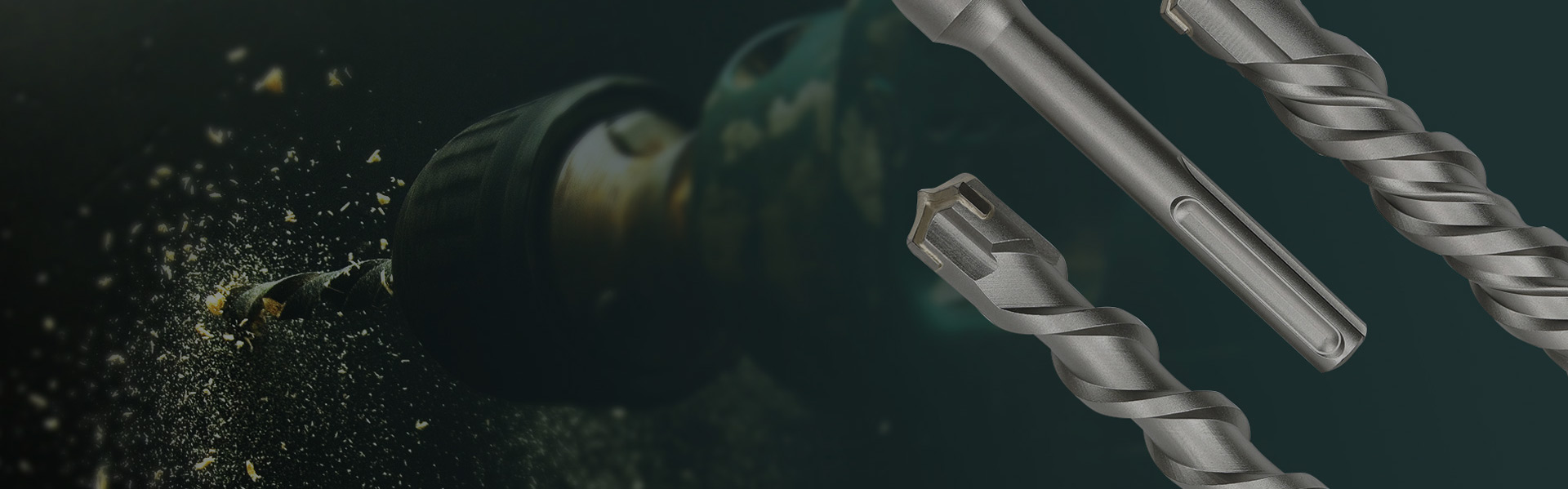
In many workshop settings, a circular cutting accessory has become a common companion for builders, repair teams, and equipment assemblers. Often referenced as a hole saw cutter, this tool supports a broad range of tasks where round openings are required in materials such as metal sheets, wooden panels, composite boards, and other structural surfaces. As industrial sites adapt to new production methods, interest in this category of tooling continues to grow. Platforms like fangda-tools provide product lines in this segment, offering options for varied environments. The following industry overview explores how this tool fits into modern workflows, what trends are shaping the category, and why demand remains steady across different sectors.
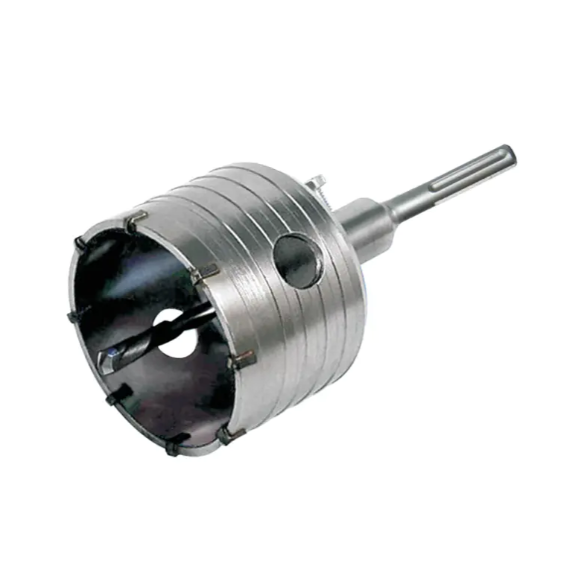
With modular building methods expanding, a circular cutting tool that can operate on-site or off-site is increasingly valued. The hole saw cutter allows technicians to form uniform openings for wiring, tubing, ventilation parts, and fixture installation. Its design supports controlled cutting while minimizing surface disturbance. In modular production, precision across repetitive units is helpful for ensuring alignment of connectors and interior systems.
Manufacturers have been adjusting designs so the accessory can be paired with multiple drilling devices. This adaptability helps contractors reduce downtime, especially when moving between different job stations. As factories continue to pursue flexible assembly processes, interest in tools that maintain consistent performance in varied conditions rises.
Electrical teams often rely on clean circular openings to route cables or mount control components. Mechanical installers use hole saw cutters to prepare access points for valves, compact equipment housings, and fastening systems. Because this tool can operate on diverse surfaces, it supports a wide range of layout plans.
In commercial environments where schedules are tight, a tool that reduces preparation time without requiring additional steps can streamline installation plans. Designers in the equipment industry are also exploring how accessory geometries can reduce friction and improve chip removal, contributing to smoother cuts.
Search engines and online catalogs have reshaped how buyers evaluate cutting instruments. When users visit platforms like fangda-tools, they usually compare features such as material composition, compatibility with drilling equipment, and overall craftsmanship. Industry professionals note that online documentation makes it easier to match the accessory with project needs.
However, the digital marketplace also encourages more informed decision-making. Content creators now publish tutorials, maintenance guides, and safety insights to help users understand how hole saw cutters integrate into their workflow. This exchange of knowledge helps reduce misuse and enhances workplace safety.
The market for circular cutting accessories is influenced by factors such as material innovation, expanded usage scenarios, and greater emphasis on ergonomic handling. Several trends are currently noticeable:
Choosing the right accessory involves understanding both the project and the environment where it will be used. The following general considerations are often discussed in industry circles:
Across factories, assembly lines, and service stations, the hole saw cutter has become a valued addition to toolkits. Its circular shape supports standardized openings for piping, control modules, and structural reinforcement. In sectors such as equipment manufacturing, facility maintenance, and interior finishing, the tool helps streamline assembly tasks.
Service teams appreciate that this accessory can be transported easily. As portable drilling devices become more compact, the pairing with versatile cutting heads becomes more practical. Some professionals store multiple diameters in organized cases, enabling quick selection during field work.
| Application Area | Typical Purpose | Environment |
| Electrical work | Cable routing, panel modification | Indoor facilities |
| Plumbing tasks | Creating openings for piping | Residential and commercial sites |
| Woodworking | Fixture installation, cabinetry | Workshops or factories |
| Metal fabrication | Preparing access points in sheets | Industrial settings |
Professional users emphasize that proper safety measures are essential during any drilling task. Recommendations often include:
Following these guidelines helps maintain a safer workplace, especially in high-activity settings.
Manufacturers in the tooling industry continue to refine the geometry of the teeth, improve joining methods between components, and adjust coatings that may contribute to smoother cutting. Some research teams explore how vibration reduction strategies can enhance user comfort. Others investigate how accessory bodies can disperse heat effectively.
As sustainability and repeat usability gain attention, companies are also studying materials that balance strength with environmental considerations. The industry is expected to continue evolving as new fabrication techniques become available.
The rise of digital storefronts such as fangda-tools has made it easier for users to compare tool types without traveling to physical shops. Clear product descriptions, usage examples, and maintenance suggestions guide buyers toward informed choices. Customer feedback sections help highlight practical strengths and potential limitations.
These platforms often categorize accessories based on material type, diameter options, and suggested applications. This structure supports both experienced tradespeople and newer users exploring tooling solutions.
A well-maintained hole saw cutter tends to perform more reliably. General maintenance insight includes:
Removing chips helps prevent material buildup that could affect future cuts.
Proper storage reduces the chance of corrosion.
Identifying wear early helps avoid uneven cuts.
Ensuring the drill and the accessory match reduces excessive stress.
Thoughtful care can extend usability and support consistent performance across different projects.
Analysts anticipate that the demand for circular cutting tools will remain steady due to ongoing construction, equipment production, and infrastructure upgrades. Emerging materials used in architecture and interior fitting may also require specialized cutting approaches. As production facilities increasingly incorporate automation, some accessories may eventually be adapted for robotic systems.
In addition, digital integration tools may provide guidance on selection based on the user's project description. Educational content, downloadable guides, and automated support systems contribute to a more informed marketplace.
The hole saw cutter continues to play a valued role across various industries. Its ability to create clean circular openings supports numerous workflows in construction, fabrication, electrical installation, and mechanical assembly. As digital platforms like fangda-tools help users navigate available options, the accessory maintains a strong presence in both professional and hobbyist environments.
Ongoing innovation in materials, geometry, and ergonomic design suggests that this tool category will continue to evolve. For anyone working with installations that require round openings or component integration, understanding the capabilities of this versatile cutting accessory can contribute meaningfully to efficient and organized project execution.

 4008-253-777
Industrial Zone, Furong Town, Yueqing City, Zhejiang Province, China


+86-0577-62298888
+86-0577-62299999

+86-0577-62295777
+86-0577-62297777
Copyright © Fangda Holding Co., Ltd. All Rights Reserved
Metal Drill Bit Sets Suppliers
