



Industry News
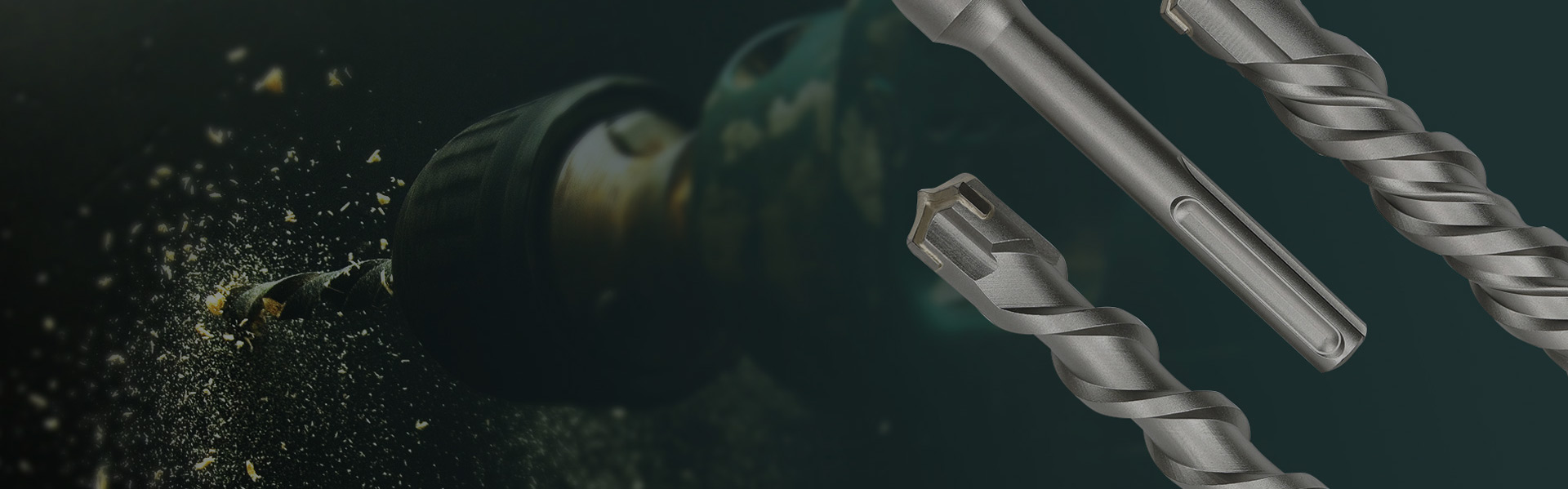
Drilling tools play a quiet but essential role in many industries. From metal fabrication to general construction, they support shaping, assembling, and finishing tasks. Among these tools, HSS twist drill bits and standard drill bits often appear similar at first glance. Yet their behavior in real use can be quite different.
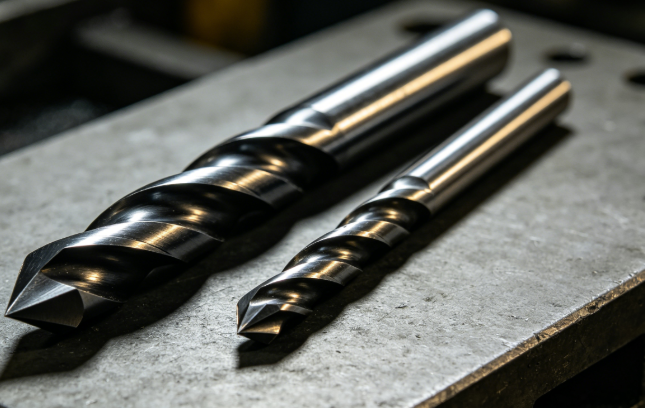
Understanding these differences helps explain why certain tasks require specific types of drill bits. It also helps users choose tools that match working conditions more closely.
An HSS twist drill bit is a cutting tool made for drilling into harder and more resistant materials. The "HSS" refers to a material type known for maintaining stability under friction and heat.
Its spiral shape helps guide material out of the hole during drilling. This reduces blockage and supports smoother operation.
In practical use, HSS bits are often chosen when consistency and durability matter more than speed alone. They are commonly used in metal-related work, but also appear in other industrial tasks where resistance is higher.
A standard drill bit is a general-purpose tool used for basic drilling tasks. It is often designed for softer materials and lighter workloads.
The structure is usually simpler, focusing on basic cutting ability rather than extended performance under stress.
Standard drill bits are widely used in household tasks and light construction work. They are suitable for situations where material resistance is not very high.
While they can handle a range of materials, their performance may vary when used under more demanding conditions.
The type of material a drill bit is made from is one of the main things that sets HSS bits apart from standard drill bits. This choice has a direct impact on how durable the bit is, how well it cuts, and how it deals with the heat that builds up while drilling.
HSS bits are built to remain stable even as friction increases during use. Because of this, they tend to perform more consistently, especially when tackling longer or more demanding drilling tasks.
Standard drill bits, on the other hand, usually wear down faster when they encounter higher resistance. They don't hold up as well under the same conditions.
Here's a straightforward comparison:
| Feature Area | HSS Twist Drill Bit | Standard Drill Bit |
|---|---|---|
| Material Behavior | Stable under friction | Less resistant to wear |
| Heat Response | Maintains structure | More sensitive to heat |
| Durability Range | Suitable for demanding use | Suitable for light tasks |
| Application Focus | Industrial and metal work | General household use |
Drilling creates friction, and that friction produces heat. If the bit can't handle the rising temperature, its performance suffers.
HSS bits are designed to manage higher heat levels without losing their strength or sharpness. This helps them stay effective for longer stretches of work.
Standard drill bits are more sensitive to heat. When temperatures climb, they tend to lose efficiency faster, leading to quicker wear and less smooth cutting.
This matters most in settings where drilling happens often or for extended periods, such as in industrial environments or when working with metal. In those situations, the better heat resistance of HSS bits helps them last longer and work more reliably.
The spiral shape of bits is not just visual. It plays a functional role in how material is removed during drilling.
As the bit rotates, the spiral structure helps move debris away from the cutting area. This reduces blockage and supports smoother progress.
Standard drill bits may have simpler structures, which can affect how efficiently material is cleared during use.
Design differences often influence how stable the drilling process feels, especially in deeper or longer operations.
Cutting consistency simply means keeping a steady, reliable performance all the way through the drilling process. A consistent bit doesn't suddenly speed up, slow down, or change how it feels as it cuts.
HSS drill bits generally offer more stable cutting behavior, especially when you're working with tougher or more resistant materials. This reduces sudden shifts in resistance and makes the drilling feel smoother and more predictable.
Standard drill bits tend to show more variation in how they cut. Their performance can change noticeably depending on the material and how much pressure you apply.
In real-world use, consistent cutting gives you better control over the tool and helps reduce stops, slips, or other interruptions while working.
Pressure has a big effect on drilling results. Too much pressure or too little can both cause problems with the hole quality and the bit itself.
HSS twist bits are usually more stable when pressure levels change during the job. They keep their cutting ability fairly well even if the force you apply isn't perfectly constant.
Standard drill bits often need more careful, steady pressure to perform well. If the pressure varies, they can wear unevenly or lose efficiency more quickly.
The difference in pressure handling becomes especially clear during longer drilling sessions or when working with harder materials.
HSS bits are most often used where stronger materials are involved. Typical settings include metal processing shops, equipment manufacturing, and repair work on metal parts.
They are also a good fit for jobs that involve repeated drilling over time, since their stability supports longer or more continuous use.
Standard drill bits are usually chosen for lighter, everyday tasks such as drilling into wood, plastic, or other soft materials.
The right bit ultimately depends on both the material you're drilling and how intense the work will be.
Would you like me to combine all the sections we've rewritten so far into one complete piece? Just say the word and I'll put everything together cleanly.
Wear is a natural result of repeated use. However, the rate of wear varies depending on tool design and material.
HSS bits generally show slower wear when used within suitable conditions. Their structure supports longer operational life under friction.
Standard drill bits may wear more quickly when exposed to harder materials or extended use.
Wear patterns can also affect cutting quality over time, making regular inspection important in both cases.
Speed is often considered in drilling tasks, but it is not the only factor that matters.
A faster tool is not always more efficient if it loses stability or wears quickly. Similarly, a slower tool may still perform well if it maintains consistent output.
HSS bits focus more on balance between speed, stability, and durability.
Standard drill bits often prioritize general usability across different light tasks.
The real performance depends on how well the tool matches the working condition.
Selection usually depends on material type, workload, and required consistency.
If the task involves harder materials or repeated use, HSS bits are often more suitable.
If the task is simple and involves softer materials, standard drill bits may be sufficient.
In many cases, both types are used in different stages of work rather than replacing one another completely.
Choosing the right drill bit affects both efficiency and tool life. Using the wrong type may lead to uneven results or unnecessary wear.
Understanding the differences between HSS twist drill bits and standard drill bits helps improve decision-making in daily operations.
It also supports more stable results across different working conditions, especially in environments where precision and repeatability matter.
Over time, this understanding helps create smoother workflows and more predictable outcomes in drilling tasks.
 4008-253-777
Industrial Zone, Furong Town, Yueqing City, Zhejiang Province, China


+86-0577-62298888
+86-0577-62299999

+86-0577-62295777
+86-0577-62297777
Copyright © Fangda Holding Co., Ltd. All Rights Reserved
Metal Drill Bit Sets Suppliers
