



Industry News
Cutting work often looks straightforward from a distance, yet anyone who has spent time in a workshop knows that the result depends on more than the saw itself. The blade, the material, the feed rate, the condition of the workpiece, and the way the tool is handled all influence how the cut feels and how the surface turns out. A saw blade is not only a rotating accessory. It is the part that carries the cutting edge, manages contact with the material, and shapes the final quality of the job.
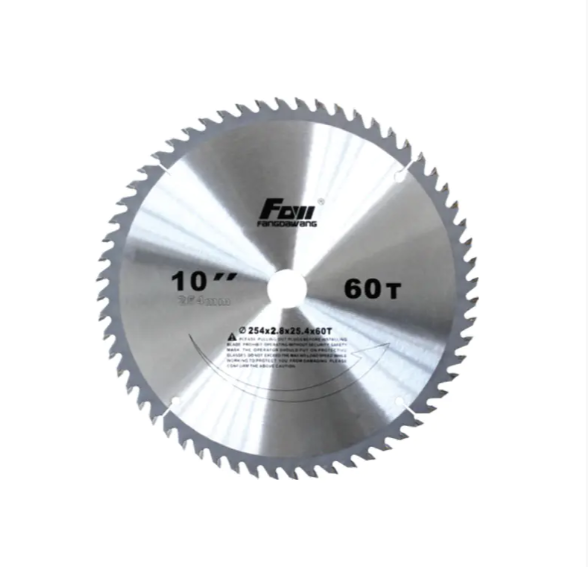
A saw blade used for regular cutting must do more than spin at high speed. It must keep its edge in contact with the workpiece, resist wear, and remain steady while chips are removed from the cut. The key idea behind carbide-tipped construction is that the cutting edges are made to handle that contact more comfortably than a plain steel edge would in many routine tasks.
The main advantage is edge retention. When the cutting tip stays sharp for longer, the blade can continue cutting with less effort from the operator. That does not mean the blade will never wear, but it can help maintain a more stable cutting feel over time. In everyday use, that stability matters because it affects how much force is needed, how often the blade needs attention, and how consistent the cut looks from start to finish.
Another important point is heat tolerance. Cutting creates friction. Friction creates heat. If the cutting edge softens too quickly under that heat, the blade may lose its useful shape sooner than expected. Carbide-tipped edges are valued because they are built to handle more demanding contact conditions than a plain edge in many common applications. This is especially useful where repeated cuts, dense material, or long working sessions are part of the task.
Wear resistance is closely connected to both heat and contact pressure. A blade that resists wear can keep its shape through more use, which is helpful when a project includes repeated passes or when the same type of material needs to be cut many times. In practical work, the benefit is not abstract. It shows up in smoother handling, more reliable cuts, and fewer interruptions for maintenance.
Compared with ordinary saw blades, this structure offers a different balance of durability and cutting behavior. A general steel blade may still serve lighter jobs, but the cutting edges can change more quickly when the task becomes demanding. Carbide-tipped construction is often chosen because it supports a wider range of day-to-day cutting needs while keeping the tool manageable for regular users.
That is why many users see this type of blade as a practical workshop item rather than a special-purpose accessory. It fits into common cutting routines, supports steady results, and gives the operator a more predictable experience when the material and the job are matched properly.
A blade is not defined by its material alone. The shape of the teeth matters just as much. Tooth profile affects how the blade enters the workpiece, how it removes material, and how smooth the edge feels after the cut. A well-chosen tooth pattern can make the work feel easier, while a poorly matched one can create rough edges, extra resistance, or unnecessary heat.
Some teeth are shaped for faster material removal, while others are shaped for smoother finishing. In practical terms, this means the blade should fit the purpose of the cut rather than being selected only by appearance. A cutting task that calls for quick removal of stock may not benefit from the same tooth form that would be chosen for a more refined edge.
Tooth angle also affects how the blade engages the material. A more aggressive angle can help the blade enter with less hesitation, but it may also require more careful control. A less aggressive angle may feel calmer in certain materials, though it may not be suited to every task. The right choice depends on the balance between speed, finish, and handling.
The spacing between teeth is another part of the picture. Wider spacing can help clear material more readily in some applications, while tighter spacing may support cleaner edges in other settings. If the teeth are too close for the material, chips may not clear well and the cut may feel cramped. If the teeth are too widely spaced for a fine finish, the cut may look less refined than desired.
This is why tooth design should be read as part of a system. The edge shape, spacing, and cutting angle work together. One feature alone does not decide the result. A blade that feels suitable in one setting may feel less suitable in another simply because the tooth pattern is matched to a different kind of cut.
Different materials respond differently when cut. Wood tends to vary by density and grain direction. Metal brings resistance, heat, and chip behavior. Plastic may cut cleanly, but it can also melt, chip, or deform if the blade choice and handling are not suitable. Because of that, the same blade pattern is not always the right answer across all materials.
Wood cutting often benefits from a blade that balances edge quality with steady removal. A clean finish matters because wood surfaces are often visible in final work. If the teeth are chosen well, the cut can leave fewer tears or splinters. The wood’s density also plays a role. Softer woods may cut with less resistance, while harder woods can ask more from the blade and the operator.
Metal cutting requires a different attitude altogether. The blade must deal with heat and resistance more carefully. Material removal is usually slower and more controlled, and the operator must pay attention to feed rate and blade condition. A tooth shape that works well in wood may not behave in the same way in metal, because the cut line and chip formation are very different.
Plastic has its own set of concerns. Too much heat can cause softening or edge distortion. Too much pressure can lead to cracking or rough surfaces. A blade that produces a smooth, controlled cut is often preferred, but even then, the user should avoid forcing the material through too quickly. Plastic responds when the blade cuts cleanly rather than scraping or overheating the edge.
This is where tooth count becomes important. A blade with fewer teeth may remove material more quickly, which can be useful in rougher cutting tasks. A blade with more teeth can create a cleaner edge in some applications, though the cut may be slower and the blade may need more careful handling. The important point is not that one style is always better. It is that each style has a place.
A practical user thinks in terms of fit. What is the material? What finish is needed? How much speed is acceptable? How much heat will be produced? The answer to those questions guides the blade choice more reliably than any general rule.
| Material Type | Recommended Tooth Count | Main Cutting Goal | Common Challenge | Preferred Blade Feature |
|---|---|---|---|---|
| Soft Wood | Lower to medium tooth count | Faster cutting speed | Splintering along the grain | Aggressive tooth shape for quick stock removal |
| Hardwood | Medium to higher tooth count | Cleaner surface finish | Higher cutting resistance | Durable carbide tips with stable edge retention |
| Metal | Higher tooth count | Controlled and steady cutting | Heat buildup and slower feed | Fine tooth spacing for smoother cutting action |
Tooth count affects not only how the blade cuts, but also how it feels during the cut. More teeth can mean smaller bites into the material, which may support a more refined surface in some jobs. Fewer teeth can mean larger bites, which may help with faster progress when surface finish is less critical.
This difference matters because cutting is always a tradeoff. A smoother finish can come with slower feed and more careful control. Faster cutting can come with a rougher finish or a need for more cleanup later. The right balance depends on the project.
In woodwork, tooth count often shapes whether the cut feels rough and quick or calm and refined. In plastic, a tooth pattern that reduces heat buildup can be helpful. In metal-related cutting, the blade must manage load carefully so the edge stays stable. The right tooth count is therefore a practical decision rather than a decorative one.
Users sometimes assume that more teeth automatically mean a better result. That is not a reliable rule. More teeth can help in certain jobs, but they can also increase resistance if the cut is not matched to the workpiece. Likewise, a lower tooth count may be entirely appropriate in rougher tasks. The better question is always what the job requires.
Two users can buy similar blades and still report very different service lives. The reason is usually not one single factor. It is a combination of working method, material choice, and maintenance habits. A blade used with care on suitable material may remain usable longer than one exposed to heat, misalignment, or poor storage.
One major factor is operating style. A blade that is pushed too hard can overheat and wear earlier. A blade that is allowed to cut at a steady pace may remain more stable. Feed pressure matters because the cutting edge should do the work instead of being forced through the material. When too much force is used, the teeth experience more stress and the cut may become less controlled.
Material hardness is another factor. Some workpieces are simply more demanding than others. Dense wood, harder metals, or less forgiving plastics can all shorten useful edge life if the blade is not matched well. The blade itself may be sound, but the task may place it under conditions that accelerate wear.
Alignment matters as well. If the saw or workpiece is not set correctly, the blade may rub, wander, or cut at an angle that adds stress. That can create heat and reduce performance even if the blade is otherwise in good condition. A clean setup often does more for service life than many users expect.
Maintenance habits also influence the outcome. A blade that is cleaned regularly can avoid buildup that interferes with cutting. Resin, dust, and residue can affect how the teeth engage the material. If the blade is stored poorly, the cutting edges may suffer small impacts or corrosion that shorten usable life. Simple care can therefore have a real practical effect.
Another factor is the user's willingness to recognize wear early. A dull blade does not only cut less cleanly. It can also create more heat and demand more force. That can lead to a cycle where the blade wears faster because it is already struggling. Watching for changes in feel, sound, and cut quality can help the user act before the condition gets worse.
Good care does not need to be complicated. A few consistent habits are often enough to support better tool life.
Keep the blade clean after use. Dust, resin, and chips can accumulate and affect cutting behavior. Clean surfaces allow the teeth to engage the workpiece more evenly.
Use suitable cutting conditions. Match the blade to the work material as closely as possible, and avoid forcing the cut. A blade that is allowed to work at a controlled pace is less likely to suffer unnecessary stress.
Pay attention to heat. Excess heat is one of the common causes of early wear. If the blade begins to feel strained, it may be time to slow the pace, check alignment, or adjust the cutting approach.
Store the blade carefully. A dry, protected place reduces the chance of damage from contact, dust, or moisture. A blade that is kept in good storage is easier to inspect and safer to reuse.
Inspect the teeth from time to time. Small chips, dull spots, and residue can be easier to manage when noticed early. Regular checks help prevent problems from building quietly over repeated use.
These habits do not change the nature of the blade, but they do help it perform in a more stable and predictable way.
A well-made carbide-tipped saw blade is valued because it combines cutting stability, wear resistance, and useful flexibility across common materials. The structure of the teeth shapes the result, the material being cut shapes the choice, and the user's handling shapes the life of the tool. Wood, metal, and plastic each place different demands on the blade, so the approach is to match the tool to the job with care.
For users who want a cutting accessory that fits routine workshop tasks while remaining manageable in daily use, this category continues to have a clear place. FangDa reflects that practical approach with a focus on material fit, tooth design, and service habits that matter in real work.
In the end, good cutting is rarely about one feature alone. It comes from the balance between blade structure, material choice, and user attention. When those parts work together, the result is usually more consistent, more controlled, and easier to maintain through repeated use.
 4008-253-777
Industrial Zone, Furong Town, Yueqing City, Zhejiang Province, China


+86-0577-62298888
+86-0577-62299999

+86-0577-62295777
+86-0577-62297777
Copyright © Fangda Holding Co., Ltd. All Rights Reserved
Metal Drill Bit Sets Suppliers
