



Industry News
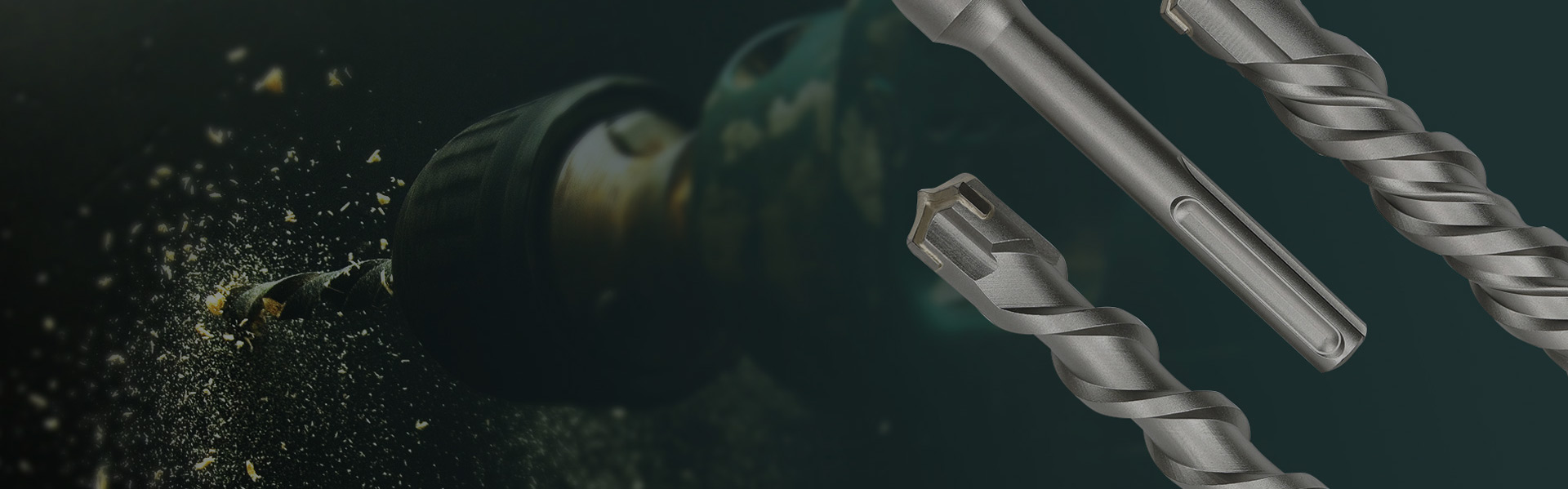
A drill bit may look simple at glance, yet the details inside its shape influence how it cuts, how it feels in use, and how long it stays serviceable. For users who work with metal, plastic, or mixed-material projects, the choice of drill bit is not only about making a hole. It is also about steady cutting, manageable heat, and predictable performance across repeated use.
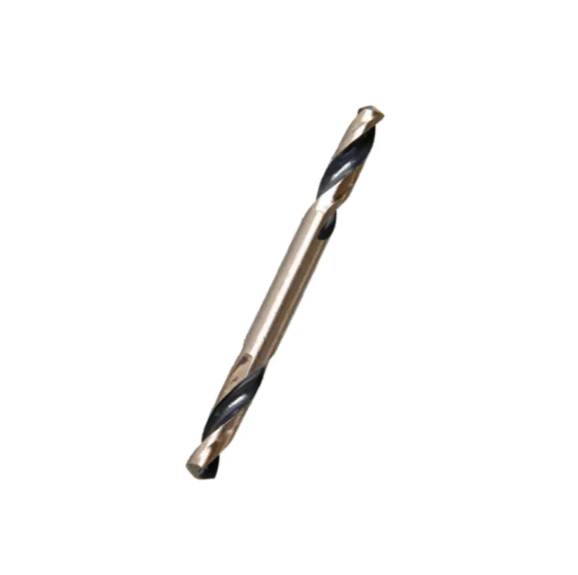
High-speed steel is valued because it brings a useful balance of hardness, heat tolerance, and wear resistance. In drilling, heat is part of the job. The edge of the bit meets the workpiece at speed, friction builds, and temperature rises quickly if the process is not controlled. A material that can hold its shape under those conditions is easier to work with over time.
Compared with ordinary carbon steel, high-speed steel is generally better suited to repeated cutting action. Carbon steel can serve in lighter tasks, but it may lose edge quality sooner when heat increases or when the workload becomes more demanding. High-speed steel is made to remain stable under more active cutting conditions, which is one reason it appears often in general-purpose workshop tools.
Another point worth noting is edge retention. When a drill bit keeps its cutting edge longer, the user can complete more tasks before sharpening or replacement becomes necessary. That does not remove the need for proper handling, but it can make routine use smoother and more consistent. For people who value practical tooling rather than specialty one-off solutions, that balance is often part of the appeal.
Wear resistance also matters because drilling is not only about the hole. A bit that resists abrasion can remain usable through several projects, especially when the material being drilled is not forgiving. Metal surfaces, for example, tend to punish dull or poorly matched tools. A steel formulation that handles those conditions with reasonable stability gives the user more flexibility during daily work.
Heat tolerance should not be read as freedom to drill without care. A bit can still overheat if the speed is too high, pressure is uneven, or chips are not cleared away. Still, a high-speed steel tool gives the user a wider working range before thermal damage becomes a concern. That makes it easier to manage tasks that involve intermittent starts, longer contact times, or repeated holes in similar stock.
In simple terms, the value of the material comes from its role in practical use. It supports the cutting edge, helps manage friction, and reduces the rate at which the tool loses function. For users who want a general-purpose tool with straightforward handling, that combination has clear appeal.
Carbon steel drill bits have a place in light-duty work, especially where the material is soft and the drilling conditions are mild. They are often simpler in structure and may be chosen for occasional use. However, they are usually less comfortable in jobs where heat and wear build quickly.
High-speed steel, by comparison, is more suited to active cutting. When the edge engages the workpiece, it is exposed to friction and stress. If the steel cannot hold its hardness well enough under those conditions, the bit may lose sharpness sooner. That changes how the bit feels in the hand and can also affect hole quality.
The contrast is not about one material being universally appropriate and the other being unusable. It is about matching the tool to the task. If a job involves repeat drilling, harder surfaces, or the need for stable performance over time, high-speed steel tends to be the more comfortable choice. If the work is limited and light, carbon steel may still do the job, though with less margin.
Users often notice the difference through three signs: how long the edge stays active, how much heat builds during drilling, and how often the tool needs attention. These practical signs matter more than labels alone. A bit is useful when it behaves predictably, cuts cleanly, and fits the project without demanding constant adjustment.
| Drill Bit Material | Heat Resistance | Wear Resistance | Edge Retention | Typical Use |
|---|---|---|---|---|
| Carbon Steel | Lower heat tolerance | Moderate wear resistance | Loses sharpness faster | Light-duty drilling in soft materials |
| High-Speed Steel (HSS) | Better heat tolerance | Higher wear resistance | Maintains edge longer | Repeated drilling in metal, plastic, and mixed materials |
| Cobalt HSS | Very high heat resistance | Strong wear resistance | Suitable for tougher materials | Harder metals and demanding workshop use |
A twist drill is not just a straight piece of metal with a pointed end. Its function depends on a series of shapes working together. The cutting lips, the point, the flute channels, and the body all affect how the bit enters the material and how chips leave the hole.
The cutting lips do the main work. Their angle determines how the bit meets the surface and how the material begins to shear away. When the cutting edges are formed cleanly, the tool enters with less wandering and cuts with more regular movement. If the edges are uneven or worn, the bit may skate at the start or produce a rougher hole.
The cutting angle also affects force distribution. A suitable angle helps the bit slice rather than press too hard against the workpiece. That matters because excessive pressure can increase heat and speed up wear. In practical use, this means the shape of the lip is part of the reason a drill feels controlled instead of uncertain.
The spiral grooves along the body are the flutes. Their job is not decorative. They create channels for chips to move away from the cutting zone. When chips remain trapped, friction rises and cutting becomes less efficient. That can make the bit work harder than necessary and may also affect hole finish.
Flute design influences how smoothly the debris clears the hole. On a well-shaped bit, chips move outward more naturally, leaving space for fresh cutting action. This is one reason users often notice that a properly formed twist drill feels more balanced during use. The tool is not only cutting; it is also clearing its path.
The spiral motion also supports stability. As the bit turns, the geometry helps guide movement while maintaining contact. That balance between cutting and evacuation is central to why the twist drill design has remained common for so long.
The point angle influences how the bit starts a hole and how it behaves once contact is made. A narrower point may help initial entry in some tasks, while a broader point can support a different cutting feel. What matters is that the point must be formed accurately for the intended job.
The tip is where the bit meets the work surface, so its condition strongly affects control. A damaged or uneven tip can lead to wandering, rough starts, or unnecessary stress. In contrast, a cleanly ground point supports smoother entry and more even cutting.
It is also important to remember that point geometry works together with pressure and speed. Even a well-formed drill bit benefits from careful handling. The user should allow the point to engage steadily rather than forcing the entry. When the tool is allowed to do the cutting work at a controlled pace, the geometry can do its part more effectively.
The body of the drill supports the cutting end. Its shape helps keep the bit aligned during operation and contributes to the overall feel in the hand or machine. A stable body reduces vibration and helps maintain direction as the hole deepens.
This stability matters because a drill is not only judged by how it starts, but also by how it continues. A tool that stays aligned can help reduce the need for correction during the task. That is especially useful in jobs where position matters or where repeated holes should remain consistent.
Taken together, the lips, flutes, point, and body form a system. Each part has a role, and each role supports the others. That is why the anatomy of a twist drill deserves attention. A good shape is not just about appearance; it is about how the tool behaves under load.
A drill bit can last longer when the user pays attention to heat, chip removal, alignment, and sharpening. Care is not complicated, but it does need consistency. Small habits often make a larger difference than dramatic changes.
Lubrication can reduce friction and help the cutting edge move more smoothly through certain materials. It is particularly useful when working on metal, where heat can build rapidly. A suitable cutting fluid or light lubricant may ease the process and reduce wear on the edge.
The purpose of lubrication is not to make the job effortless. It is to support a cleaner cut and reduce unnecessary stress. When the tool spends less effort overcoming friction, the cutting edge can remain serviceable for a longer period. This is a practical step rather than a ceremonial one, and it becomes more important as the material grows harder.
Heat is one of the main factors that shortens tool life. When the bit becomes too hot, the cutting edge can lose quality and the tool may begin to feel less effective. This is why pace matters.
A steady approach is often more useful than an aggressive one. Let the bit cut at a controlled rate, and give it brief pauses when needed so the heat can drop. In deeper holes, chip clearing becomes part of heat control as well. When chips are allowed to escape, the cutting area stays less crowded and the tool can continue with less strain.
Cooling is not only about temperature. It is also about preserving the edge form. A sharp edge can only stay useful if the working conditions allow it to remain intact. Heat management supports that goal.
Too much speed can raise heat quickly. Too much pressure can overload the edge. In both cases, the bit may wear earlier than expected. A moderate, balanced approach is usually more effective than trying to force progress.
This is especially true when drilling harder surfaces. The tool should be allowed to cut at its own rhythm rather than being pushed into the workpiece. The user can often tell the difference by listening and feeling: a controlled cut sounds smoother and feels less strained. That feedback matters because it helps prevent damage before it starts.
A dull edge does not just cut less cleanly; it also tends to create more heat and require more force. That extra effort can accelerate wear across the entire tool. For that reason, sharpening is not only a repair action but also a preventive one.
When sharpening, consistency is important. The original geometry should be respected as much as possible so the bit continues to cut in the intended way. Uneven sharpening can affect entry, chip flow, and alignment. If a user does not have confidence in sharpening by hand, professional grinding services or proper fixtures may help maintain the correct shape.
Storage affects longevity more than many users realize. A bit tossed loosely into a drawer can strike other tools, nick the cutting edge, and collect moisture or dust. A simple case or holder helps protect the point and keeps the tool organized.
Clean storage also makes the next use more efficient. When the bit is easy to find and inspect, the user is more likely to notice wear before starting the job. That small habit can prevent frustration and reduce avoidable damage.
Before drilling, it helps to look at the point, the flutes, and the edge condition. A quick check can reveal chips, dull spots, or signs of overheating. If the tool shows visible wear, it may need sharpening or replacement before the next project.
Inspection is a small step, but it supports better results. It also encourages a more careful workflow. Instead of assuming every tool is ready, the user confirms that the bit is prepared for the task at hand.
A well-made twist drill is useful because it combines material strength with purposeful geometry. High-speed steel offers a workable balance of wear resistance and heat handling, while the twist form supports cutting and chip removal in a way that fits common workshop needs. When care is added through lubrication, cooling, sharpening, and storage, the tool can continue to serve through repeated use.
For users who prefer a straightforward tool that fits routine drilling tasks without complicated handling, this category remains a familiar and dependable option. FangDa represents that practical approach in a form that is easy to understand, easy to store, and ready for everyday work.
 4008-253-777
Industrial Zone, Furong Town, Yueqing City, Zhejiang Province, China


+86-0577-62298888
+86-0577-62299999

+86-0577-62295777
+86-0577-62297777
Copyright © Fangda Holding Co., Ltd. All Rights Reserved
Metal Drill Bit Sets Suppliers
