



Industry News
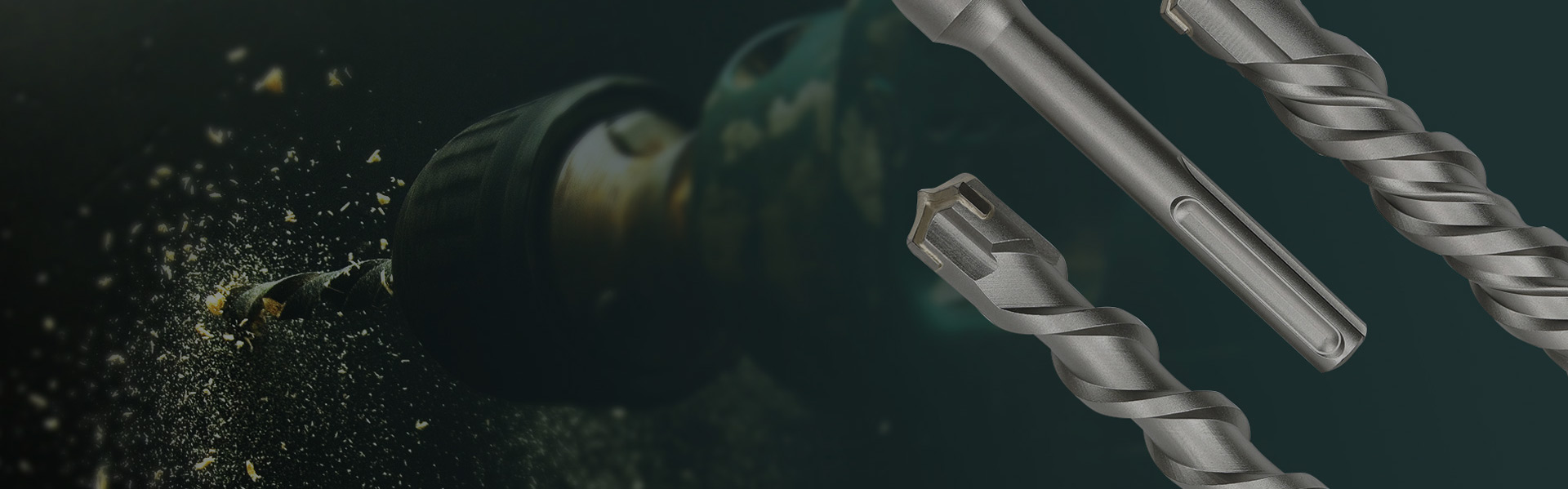
A well-chosen hand tool can change how a task feels and how long it takes to complete. The Steel Chisel sits at the center of many workshops and job sites as a controlled instrument for removing, shaping, and refining material. This article examines the design elements that make such a tool useful, practical techniques for everyday work, safety practices to observe, and what to consider when selecting a product for seasonal use or ongoing projects.
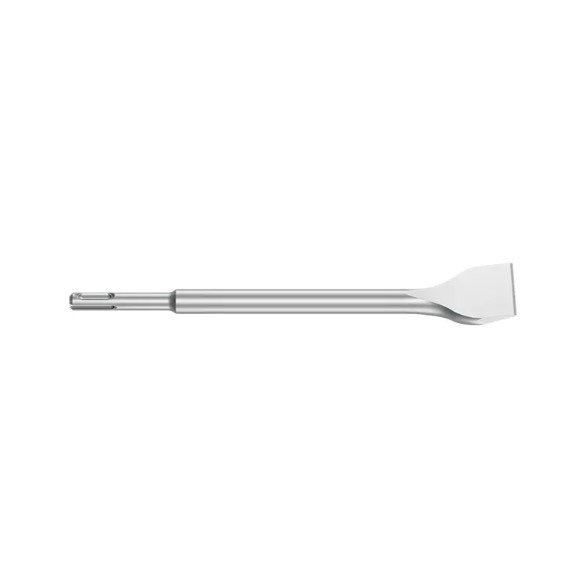
At its core, the tool combines a hardened cutting edge with a support shaft that absorbs impact and guides force. Edge geometry influences the way material is removed: a shallower bevel often produces finer, cleaner slicing actions, while a steeper angle resists deformation under heavier blows. The body profile and the way the handle attaches to the shaft affect balance and how vibrations travel into the user's hand. Surface finishes, tempering quality, and the fit between components all contribute to predictable behavior in use. Selecting a configuration that matches the intended material reduces wear and the need for excessive correction later.
This implement serves multiple trades and hobbies. In joinery it helps refine mating surfaces and create crisp interfaces for mechanical connections. In restoration or renovation, it provides a precise means to remove targeted material without enlarging an opening unnecessarily. In light metal work, it can be used to separate joined parts or to correct small deformations. Because it transfers energy directly where the blade meets the substrate, it is effective in situations that require local, controlled removal rather than broad scraping. For craftsmen who value tactile feedback during shaping, the tool's direct response offers an advantage over many powered alternatives.
Control and predictable results come from a few consistent habits. Secure the workpiece to prevent movement that can change cut direction. Begin with conservative strikes to establish a cutting line or groove, then deepen the removal in controlled increments. When paring, draw the blade in a slicing motion toward the user rather than relying solely on impact to avoid splitting or chipping adjacent surfaces. Keep wrist and body alignment comfortable so that accuracy does not degrade over time. For repetitive tasks, alternate hand positions or switch to a different tool to reduce strain.
An appropriately sharpened edge reduces effort and leaves a cleaner finish. Routine honing with a stone restores a keen bevel and removes micro-burrs. When power sharpening is used, avoid overheating the metal, which can change temper and reduce toughness. After sharpening, a light strop removes residual burrs and polishes the edge. Attention to the striking face is also important; a distorted or fragile striking surface can increase the chance of failure when the tool is struck. Simple storage—such as a protective sleeve or tool roll—keeps edges from accidental contact and preserves alignment.
Even small hand tools can cause injury when chips fly or strikes miss the mark. Eye protection is a nonnegotiable precaution when cutting brittle or rigid materials. When handling heavy blows, ensure the hammer or mallet used is appropriate for the chisel type to avoid tool damage or hand injury. Keep the free hand well clear of the cutting path and position your body so that a missed strike will not cause the tool to move toward you. For work that produces fine dust, pair respiratory protection with local exhaust ventilation to limit exposure.
Not all blades suit every job. Wide blades move more material quickly and help level uneven surfaces, while narrower profiles concentrate force for starting cuts or creating grooves. Consider the edge angle and the tool's hardness in relation to the substrate: a balance between toughness and edge retention helps prevent chipping while reducing frequent regrinding. The scale of the task also matters; a long shaft may offer reach and leverage for deep removals, whereas a shorter tool provides compact control in confined spaces. Choosing based on fit and intended use will reduce unnecessary wear and improve efficiency.
On a renovation project, the tool can be used to remove old adhesive layers before installing new finishes, or to clean out joints so that replacement pieces fit without gap. In vehicle maintenance, it can clear corrosion or pry out small fasteners that resist turning. In creative work such as carving, the subtle feedback lets the maker judge how much material remains and when to stop, producing a more nuanced surface. In each case the benefit is the ability to remove targeted material with accuracy and to do so using simple, repeatable motions.
Hand tools remain essential across many industries because they offer direct control, adaptability, and reliability in varied environments. Among these tools, a Steel Chisel is widely recognized for its ability to remove, shape, and adjust material in a precise and deliberate way. Its value is not tied to a single trade or task; instead, it appears in many application scenarios where accuracy and hands-on feedback are important.
One of the most familiar application scenarios appears in woodworking. Carpenters and cabinet makers rely on chisels to refine joints, clean recesses, and adjust components that must fit together closely. When assembling frames, doors, or furniture parts, even small inconsistencies can affect alignment. A chisel allows the user to remove thin layers of wood gradually, helping surfaces meet cleanly without forcing parts into place. In decorative work, it supports carving details, straightening edges, and shaping contours that would be difficult to achieve with larger cutting tools.
In construction and renovation settings, chisels are often used during preparation and adjustment stages. When fitting fixtures, trimming framing, or correcting misaligned elements, power tools may be too aggressive or imprecise. A chisel can carefully remove hardened adhesive, old mortar, or excess material around joints. During remodeling, it helps expose hidden structures, open channels for wiring, or clean out corners where other tools cannot reach easily. These scenarios benefit from the controlled force and directional accuracy that a hand-driven tool provides.
Masonry work presents another set of application scenarios. When shaping bricks, stone, or concrete surfaces, chisels allow workers to split, trim, or texture material according to layout requirements. They are commonly used to adjust block dimensions on site or to remove damaged sections without disturbing surrounding areas. For surface preparation, chisels help clear uneven patches and residue so that new layers bond properly. This selective removal reduces the need for full replacement and supports more efficient use of materials.
In metalworking and maintenance tasks, chisels are applied for separation, correction, and preparation. Mechanics and technicians use them to cut through seized fasteners, remove rivets, or separate joined components during disassembly. In fabrication workshops, they assist in refining edges, removing weld residue, or adjusting small deformations. Because metal requires controlled impact and durable edges, the chisel's design supports repeated use in demanding environments where precision matters as much as strength.
In outdoor or remote work settings, where access to power sources may be limited, chisels offer practical versatility. They can be used for on-site adjustments, temporary repairs, or material fitting during installation projects. Landscaping, trail maintenance, and site preparation sometimes require controlled shaping of wood or stone, making chisels useful companions in field kits. Their portability and straightforward operation allow work to continue even when conditions are less than ideal.
Different application scenarios call for different blade profiles, lengths, and edge treatments. Selecting a chisel that matches the material and working environment helps ensure predictable results. Users should consider how often the tool will be used, the type of impact it will receive, and the level of control required. Manufacturers such as FangDa provide options intended for varied tasks, allowing users to align tool characteristics with real-world needs rather than relying on generalized assumptions.
This chisel does not seek attention through exaggerated language or sweeping promises. Its value lies in steady performance, clear design intent, and suitability for a wide range of practical scenarios. By focusing on controlled material removal and user-guided force, it supports tasks where accuracy and judgment matter more than speed alone.
The character of this tool emerges through use rather than description. In workshops, on sites, and in creative spaces, it serves as a dependable option for shaping, adjusting, and refining materials. Its design encourages thoughtful handling, its applications span multiple fields, and its upkeep supports ongoing usability. By prioritizing purpose and consistency, it stands as a practical choice for those who value clear function and measured results in their everyday work.

 4008-253-777
Industrial Zone, Furong Town, Yueqing City, Zhejiang Province, China


+86-0577-62298888
+86-0577-62299999

+86-0577-62295777
+86-0577-62297777
Copyright © Fangda Holding Co., Ltd. All Rights Reserved
Metal Drill Bit Sets Suppliers
