



Industry News
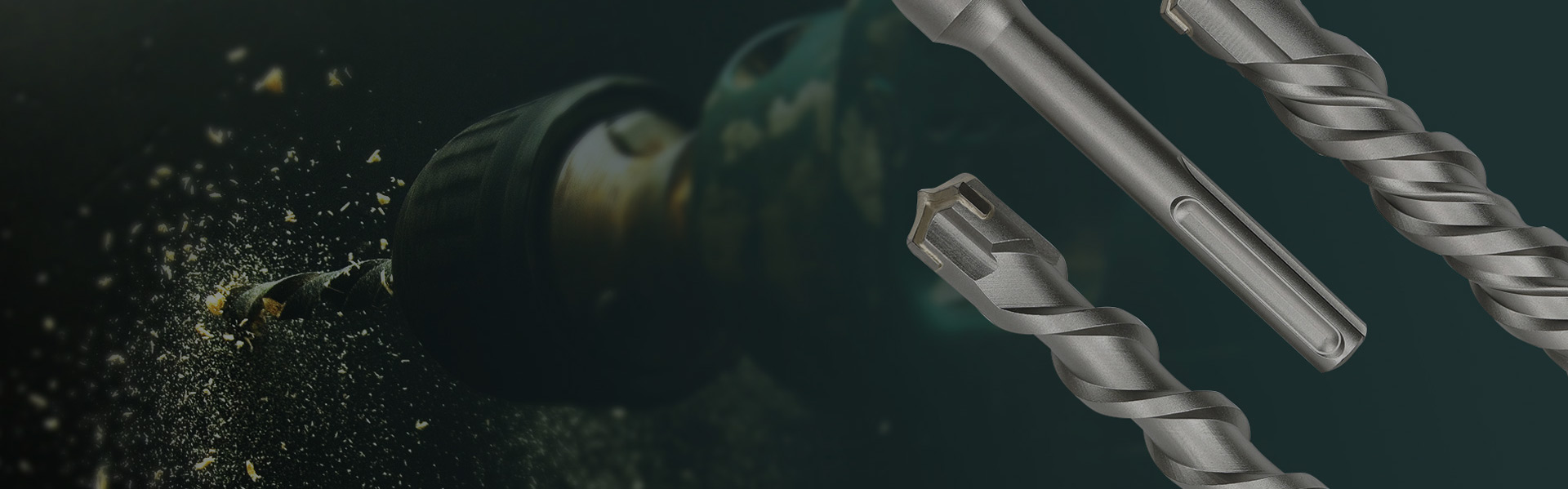
Woodworking has shifted into a more flexible and fast-moving process. Tasks are no longer limited to a single material or a single method. A typical project can include different surfaces, changing shapes, and tighter expectations for finish quality. In this environment, cutting tools are no longer background items. They influence how smoothly the work moves and how the final surface appears.
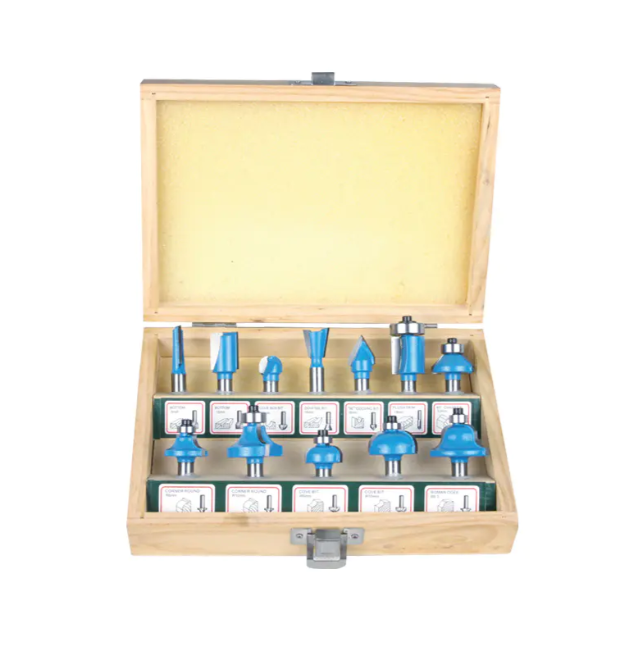
Router bits, often referred to as China router bit in global supply discussions, are widely used across workshops and production spaces. They are not limited to one type of task. Instead, they appear in shaping, trimming, edge control, and surface detailing. Their role sits between structure and finish, which makes them a regular part of woodworking operations.
Router bits let you cut wood surfaces accurately and steadily. You can shape edges, carve grooves, and make uniform decorative profiles with them.
Woodworking isn't just shaving away excess wood. Every cut builds both the piece's structure and its overall look. Clean straight edges, soft curves and tight joints completely alter how the final piece turns out.
Router bits make every pass predictable. Unlike shaping wood freehand, they lock the tool into a fixed cutting path. This cuts down uneven marks and lets you recreate the exact same shape time after time.
Most woodshops reuse identical profiles constantly—table borders, cabinet face frames, trim details all show up on multiple boards. Router bits ensure every matching part carries the same uniform shape.
The use of China router bit has expanded across woodworking environments because of practical working needs rather than design trends.
Workshops often deal with mixed tasks in one workflow. Wood panels, layered boards, and synthetic surfaces may all appear in the same project. Switching tools repeatedly slows down progress and interrupts the working rhythm.
A tool that can be used across different surfaces becomes more practical in this situation.
China router bit are often chosen because they are available in many shapes and cutting profiles. This allows users to match tools with different tasks without changing equipment too often.
Another reason is workflow continuity. When fewer changes are needed, the work becomes smoother. This is important in both small workshops and larger production settings.
Getting accurate wood cuts relies on steady control, not pushing hard with the tool. Router bits make it far easier to hold that consistent control as you work.
Their sharp, uniform cutting edges steer the router along a fixed path. That prevents wobbly lines and keeps all edges even and lined up. When you move the tool smoothly, you always know exactly how the finished profile will look.
The tiniest shift mid-cut messes up the final look. Even a small drift ruins joint fits or messes up the flow of curved edges.
Router bits cut down these inconsistencies by maintaining constant, even contact against the wood the whole time you're cutting.
Precision also ties to how seamless your cut surface turns out. Gliding the tool without jerky stops or starts leaves smoother, cleaner finished profiles.
Modern woodworking often involves more than traditional solid wood. Projects may combine different materials in one structure.
China router bit are commonly used on:
Each material reacts differently during cutting.
Wood responds with grain direction and natural resistance. Plastic may react more to heat and pressure changes. Composite boards may vary in density across layers.
A flexible tool allows movement across these materials without changing the entire setup each time.
This flexibility supports workflows where different surfaces appear in a single project.
The design of a router bit affects how it interacts with the surface.
Shape determines how material is removed. Some designs guide straight movement, while others support curved or shaped cutting.
Edge structure influences how smooth the surface becomes after cutting. A stable edge reduces roughness and helps create a cleaner finish.
Balance also plays a role. When movement is even, vibration is reduced. This helps maintain control during operation.
Design differences may look small, but they influence how the tool behaves in real use.
Many woodworking tasks require repeated shapes. A set of cabinet panels or furniture parts may need to match closely.
Consistency becomes a key requirement in these cases.
Router bits help maintain similar results across repeated cuts. When the tool behaves in a stable way, each piece follows a similar pattern.
This reduces variation between parts.
Consistency also supports workflow efficiency. Less correction is needed after cutting, which saves time during finishing stages.
In structured production, this stability becomes part of the working system.
Woodworking is not a single method. Some work focuses on detail and hand control. Other work focuses on repeated production.
Router bits can support both approaches.
In detailed work, they help shape curves and edges with controlled movement. In production work, they help repeat shapes with stable results.
This flexibility allows them to be used in different environments without major adjustment.
The same tool can support creative shaping and structured output depending on how it is applied.
Lots of on-the-job details change how well router bits work mid-project.
First is the state of the wood itself. Different materials react differently when the bit cuts into them.
Your cutting speed also makes a big difference. Moving at an even pace keeps your cuts precise. Going too fast ruins accuracy, while dragging the tool too slowly slows down your whole workflow.
Stability matters too. A solid, anchored setup cuts down shaking, leaving smoother finished surfaces.
Heat buildup becomes an issue for longer, continuous cutting jobs.
All these conditions stem from your work station and handling habits, yet they directly change the quality of your finished cuts.
Workshops often handle different tasks throughout the same day. One project may involve several materials and shapes.
Flexible tools reduce the need for constant switching.
Router bits support this by offering multiple cutting styles within one tool category.
This reduces interruptions during workflow. It also simplifies tool management.
Instead of using many separate tools, workshops can rely on a smaller set that covers more situations.
This matches modern working habits where adaptability is valued.
Surface quality is one of the most visible outcomes in woodworking.
A smooth surface reduces extra finishing work. A rough surface may require additional correction.
Router bits influence this directly through contact with the material.
Stable movement creates cleaner edges. Uneven movement can leave marks or irregular lines.
The final result is shaped by both the material and the tool's movement.
This makes tool selection an important part of planning woodworking tasks.
Modern woodworking focuses on balance between speed, flexibility, and visual quality.
Projects often require faster completion while maintaining clean results.
Router bits fit into this environment because they support controlled shaping and repeated use.
They also adapt to different materials, which reflects the variety seen in current woodworking tasks.
As woodworking continues to change, tools that offer steady performance and flexible use remain widely applied.
Router bits continue to play a role in supporting both structure and detail in everyday woodworking practice.

 4008-253-777
Industrial Zone, Furong Town, Yueqing City, Zhejiang Province, China


+86-0577-62298888
+86-0577-62299999

+86-0577-62295777
+86-0577-62297777
Copyright © Fangda Holding Co., Ltd. All Rights Reserved
Metal Drill Bit Sets Suppliers
