



Industry News
Selecting the right cutting tool for a workshop or production line involves balancing performance, longevity, and safety. When evaluating circular saw technology, a number of design choices influence how reliably a blade will perform under real-world conditions.
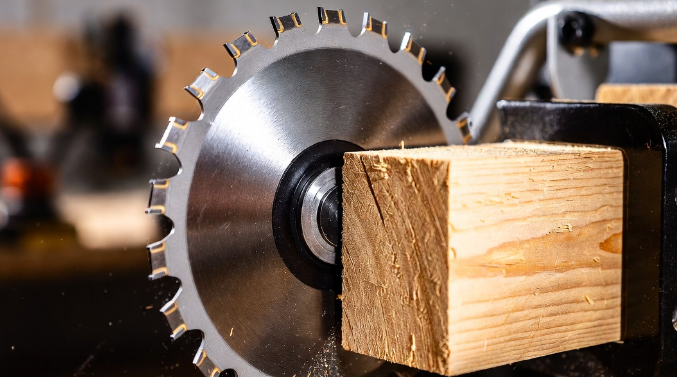
A defining characteristic of tungsten-carbide tipped blades is the combination of a robust steel body with carbide tips attached at each tooth. This composite construction allows the cutting edge to resist abrasive wear better than a plain steel edge while relying on a flexible steel core to absorb mechanical stresses. The carbide tips maintain sharpness across a greater number of cuts, which helps to preserve cutting geometry and reduce frequency of replacement in routine use.
Carbide tips are selected and brazed in a manner that promotes secure bonding under thermal and mechanical cycling. The choice of carbide grade and brazing technique influence fracture resistance and tip retention; when these are matched to expected work conditions, the result is a blade that performs consistently across a range of materials without premature chipping.
Tooth profile is not merely aesthetic; it determines how the blade interacts with material. Optimized rake angles and gullet sizes improve chip evacuation and reduce friction during cutting. A balanced tooth geometry minimizes the tendency for vibration and produces a cleaner kerf, which lowers the need for secondary finishing. For applications where surface appearance matters, such as cabinetmaking or finish carpentry, this can reduce labor and material waste.
Blade designers also refine tooth count to match task requirements. Coarse tooth layouts suit rapid material removal, while finer patterns favor smoother edges. The correct pairing of tooth geometry with the material being cut reduces stress on both the blade and the machine, contributing to reliable results and predictable maintenance intervals.
Cutting generates heat, and uncontrolled thermal buildup can alter blade dimensions and temper, affecting accuracy and lifespan. Modern designs incorporate features to dissipate heat effectively: expansion slots to relieve thermal stress, precise grinding to maintain flatness, and surface treatments that reduce friction. Collectively, these strategies help a blade maintain roundness and flatness under continuous operation, which is essential for straight, consistent cuts.
Heat management also protects the carbide tips and the brazing interface. When thermal exposure is controlled, there is less risk of tip loosening or microfracture. That translates into steadier performance over extended use, and fewer interruptions for blade changes.
A well-engineered blade reduces the effort required from the operator and the machine. Lower cutting resistance means motor load is reduced and feed rates can be steadier without overtaxing equipment. Practical benefits include fewer tool changes, more predictable cycle times, and less operator fatigue during repetitive tasks. These advantages matter in both small shops and production settings where workflow continuity is important.
Compatibility with common arbor sizes and machine types is another practical consideration. Blades designed for straightforward installation and alignment shorten setup time and lower the chance of installation errors that can affect cut quality.
Selecting an appropriate cutting tool for diverse workshop tasks means understanding how a blade behaves with different substrates.
When cutting various types of wood, a carbide tipped design keeps edge geometry under load for a longer interval than plain steel edges. The tooth profile and gullet shape influence how wood fibres separate and how chips are cleared. A flatter rake angle encourages a controlled, slicing action that reduces tearout in veneered panels, whereas a slightly more aggressive rake supports faster material removal in rough millwork.
For tasks that involve laminated boards or plywood, attention to tooth count and hook angle pays dividends. A combination of a fine cutting face and a moderately spaced gullet helps maintain a clean edge without clogging. In practice, matching the tooth form to the density and finish requirements of the piece reduces the need for sanding and repairs after cutting.
Engineered substrates require careful handling to avoid chipping and delamination. The brazed carbide tips on this style of blade provide a consistent cutting interface that resists abrasive fillers often present in engineered products. Tooth shapes optimized for splinter control, coupled with minimal vibration, contribute to straighter cuts and a neater kerf.
When working with coated or melamine surfaces, using a blade that maintains a stable cutting line reduces the risk of surface damage. A balance between tooth density and shear geometry allows the blade to slice the top layer cleanly while the backing support prevents pullout, which helps preserve design finishes and reduces scrap.
Cutting non-ferrous metals such as aluminium and certain alloys calls for a blade with appropriate clearance angles and chip removal capability. Carbide tips retain sharpness when exposed to softer metals that can otherwise smear on a steel edge. Good gullet capacity is important to prevent chip packing, which in turn keeps heat buildup in check.
For thin sheet materials a blade that produces minimal burring is desirable. Adjustments to feed technique and machine setup, combined with a blade that offers a consistent tooth geometry, will result in cleaner edges and less secondary finishing. Careful attention to mounting and alignment reduces chatter and protects both the blade and the workpiece.
Plastics and composite materials present two common challenges: heat sensitivity and particulate buildup. A blade that keeps friction low and evacuates chips efficiently reduces softening at the cut edge, which preserves tolerance and surface quality. Carbide tips with a polished grind can limit adhesion of polymer chips and make cleaning easier between operations.
For fiber-reinforced composites, minimising delamination takes priority. A combination of a negative hook angle and a tooth shape that shears rather than tears helps produce a controlled cut through fibres. The goal is to maintain structural integrity at the edge while avoiding frayed fibres that require additional trimming.
Particleboard often contains small abrasive particles that accelerate wear. Carbide tips from a properly specified grade handle this environment more steadily than uncoated steel teeth. The brazing quality and tip geometry influence how the blade resists microchipping from abrasive contaminants. A blade that retains flatness under load will help keep cuts square and repeatable.
In scenarios where abrasive fillers are present, replacing or rotating blades at sensible intervals and ensuring clean cutting practices will prolong effective service life. Regular cleaning to remove resin and dust will also help maintain cutting performance and reduce stress on machine bearings.
Matching a cutting tool to a job is about understanding work demands, material behaviour, and operational rhythm.
| Material Type | Cutting Challenge | Blade Feature That Helps | Practical Benefit |
|---|---|---|---|
| Softwood | Fibre tearout | Optimized rake angle | Cleaner edge finish |
| Hardwood | Density resistance | Durable carbide tips | Extended sharpness |
| Plywood & Laminates | Surface chipping | Fine tooth count | Reduced post-sanding |
| Engineered Panels | Abrasive fillers | Wear-resistant carbide grade | Longer service life |
Small joineries and larger furniture workshops encounter a wide range of species and panel products. For furniture makers who move between solid timber, veneered boards, and engineered panels, a TCT Circular Saw Blade offers a balance between edge retention and resistance to abrasive fillers commonly found in composite materials. Tooth geometry that controls tearout is particularly valuable where visible edges are being cut; it reduces time spent on secondary finishing and allows craftsmen to focus on assembly and detailing.
In series production, where consistency of cut affects assembly tolerances, a blade that maintains its profile across many cycles helps keep downstream processes predictable. Cabinetmakers and bespoke furniture shops will often choose blade configurations that prioritise a neat surface on both the primary and secondary faces to reduce sanding and filler work.
Fit-out contractors and on-site joiners typically work with a mixture of prefinished panels, offcuts, and sometimes delicate trim. Tools that deliver a steady kerf with minimal chipping simplify on-site adjustments and keep installation fast. For teams that need to measure, cut, and install under time pressure, having a blade that supports repeatable, clean cuts across laminate and coated surfaces can reduce waste and speed up finishing.
Furthermore, installers who perform rip cuts as well as crosscuts benefit from selecting a blade whose tooth form provides tolerance for varied feed rates and that integrates with portable and bench-top saws commonly used in on-site work.
Flooring professionals work with hardwoods, engineered planks, and underlayment materials that vary in density and composition. A carbide-tipped circular tool suited for the range of panel and plank materials helps maintain edge quality while cutting to length or trimming tongues and grooves. Millworkers who produce mouldings and stair components will likewise find that a consistent cutting geometry reduces vibration and improves surface finish, which matters when pieces are visible in finished interiors.
Carpenters and framing crews encounter fast-paced cutting with a mixture of dimensional lumber and engineered wood products. Blades designed to withstand abrasive inclusions in composite panels and to maintain flatness at higher feed rates support efficient framing and sheathing operations. In rough carpentry, the focus is on reliable removal of material and safe operation; a blade that is balanced and stable on common saw platforms contributes to consistent jobsite performance.
In workshops that produce kitchen and bathroom fixtures, cuts must align with hardware positions and assembly tolerances. A carbide-tipped circular option that minimises tearout on coated and laminated surfaces reduces the risk of rework during assembly. Manufacturers that run panels through multiple stations—cutting, edging, drilling—benefit from the predictability of a blade that delivers stable kerfs and that integrates with automated feeds and CNC setups.
Metal fabricators working with non-ferrous alloys, aluminium extrusions, and thin sheet materials require blades that can manage chip flow without smearing. Carbide tips are better suited than plain steel for repeated exposure to non-ferrous metals since they retain cutting geometry under softer metal contact. Shops that perform mixed operations—cutting both timber and non-ferrous stock, for instance—may select blade types that balance chip clearance and tooth form for cleaner edges and reduced burr formation.
Composites and reinforced plastics are common in marine and specialized manufacturing. When cutting fibre-reinforced materials, preventing delamination and frayed fibres is a priority. A blade whose rake and tooth spacing are chosen for shearing action rather than tearing can reduce edge damage on composites. Marine workshops and small boatbuilders that work with layered laminates will often pair a carbide-tipped circular tool with reduced feed rates and backer support to preserve edge integrity.
For plastics, heat sensitivity presents an additional constraint. A blade that facilitates chip evacuation and minimises friction helps limit melting and slagging at the cut edge, producing parts that fit without extra finishing.
Sign shops and display fabricators cut a mix of substrates including plastics, acrylics, aluminium composite panels, and timber. Versatile blades that offer controlled kerf width and low vibration support accurate routing and joinery for displays and signage. When panels are coated or printed, avoiding edge chipping is essential to maintain visual quality; this is achieved by pairing appropriate tooth geometry with proper machine setup.
Selecting a carbide-tipped circular option for an application is a practical decision shaped by material types, production tempo, and finish requirements. From workshop artisans to production-floor fabricators, the right blade choice supports predictable cuts and manageable maintenance. By aligning tooth geometry, core stability, and handling practices with the demands of specific trades and industries, buyers and operators can make informed selections that fit their working methods and safety standards.

 4008-253-777
Industrial Zone, Furong Town, Yueqing City, Zhejiang Province, China


+86-0577-62298888
+86-0577-62299999

+86-0577-62295777
+86-0577-62297777
Copyright © Fangda Holding Co., Ltd. All Rights Reserved
Metal Drill Bit Sets Suppliers
