



Industry News
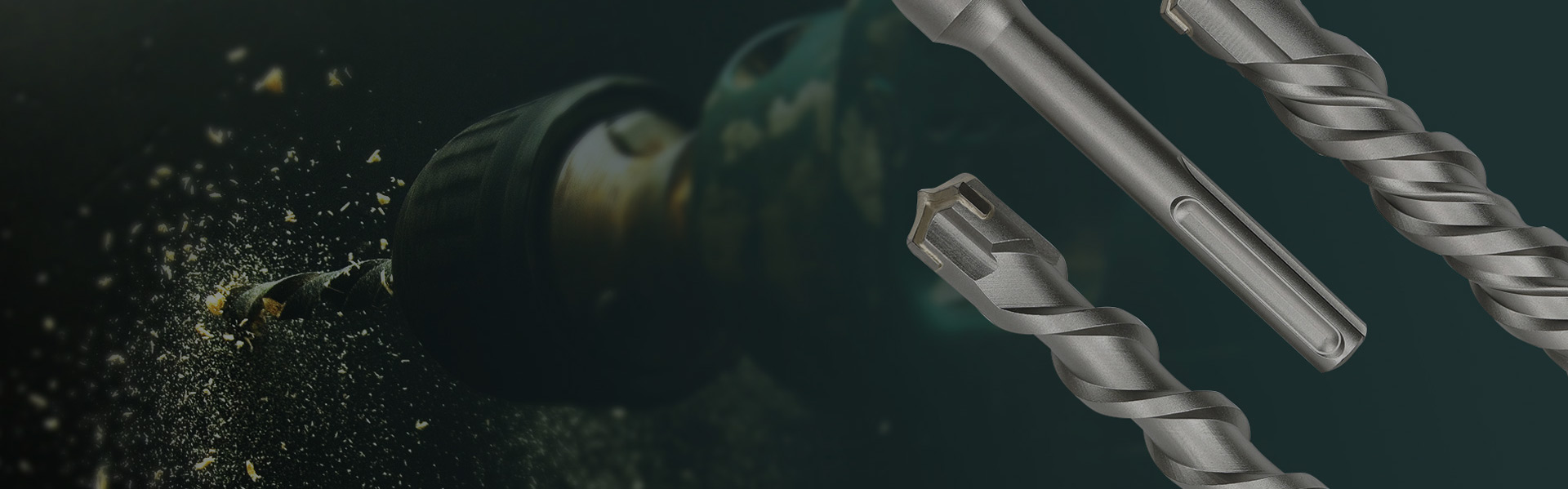
In industrial metalworking, choosing the correct cutting tool affects workflow consistency, tool life, and final component quality.
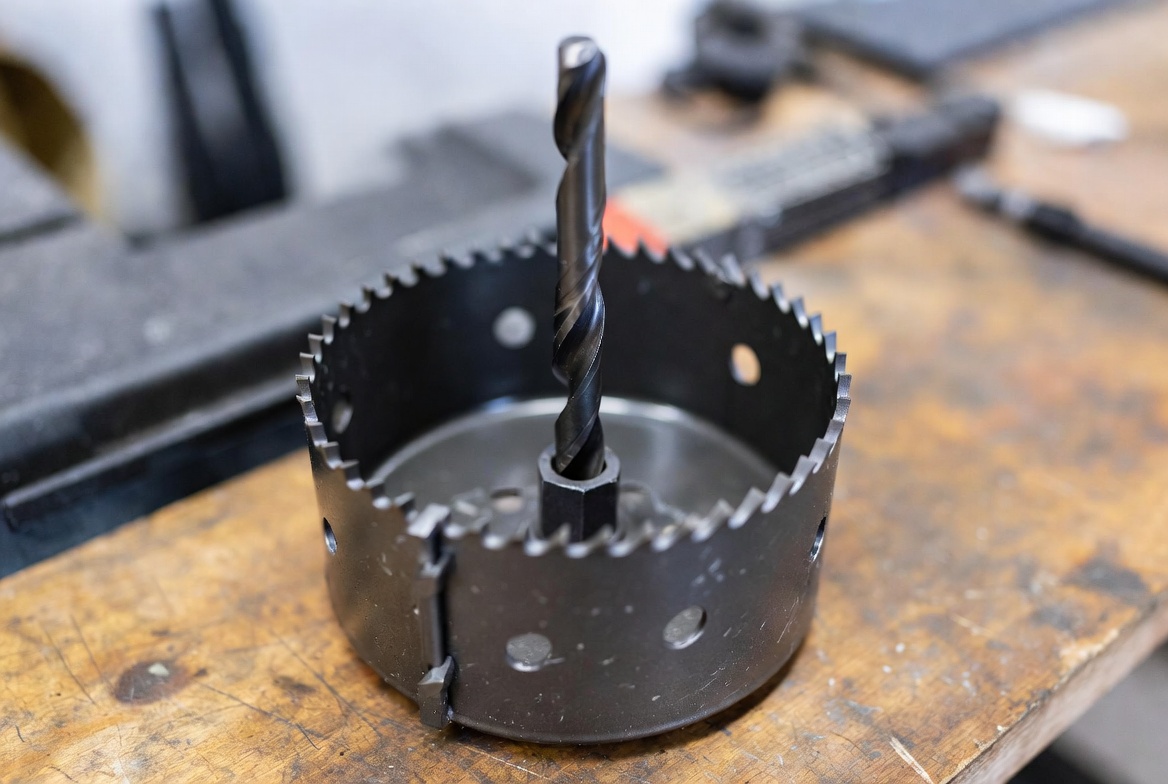
A cutting tool for circular holes combines geometry, material, and coating choices. For metals, the tooth profile and substrate material determine how the tool engages the workpiece and how it tolerates heat and abrasion. Steels with higher hardness require a tool body and cutting edges that resist wear and maintain sharpness under load. Softer alloys benefit from a design that avoids clogging and reduces friction.
Stainless steel presents particular challenges because of its tendency to harden locally when cut and to work-harden under excessive feed or blunt edges. A cutting approach that keeps the edge sharp and reduces heat buildup will produce more consistent holes and reduce the likelihood of burring. Aluminum alloy, being softer and more ductile, needs teeth and chip-clearance geometry that prevent material smearing and promote chip evacuation. Carbon steel sits between these behaviors and responds well to steady engagement combined with appropriate cooling.
When drilling stainless parts, the tool's edge geometry and the operator's control over cutting conditions are the main variables. An effective practice is to maintain steady axial pressure and avoid aggressive plunging that can cause the material to harden ahead of the cut. Using periodic breaks in cutting to allow heat to dissipate, and selecting a lubricant compatible with stainless alloys, helps sustain cutting efficiency. Tool maintenance that includes cleaning debris from teeth and inspecting for edge wear will keep hole quality consistent and reduce rework.
Aluminum alloys are sensitive to heat but less prone to work-hardening. The priority is managing chip formation and preventing clogging inside the cutting cavity. A tool with larger chip gullet and shallower tooth spacing can encourage continuous chip flow and reduce the need for frequent clearing. Lubrication or compressed air can assist chip evacuation. Because aluminum can accumulate on cutting edges, routine cleaning prevents the formation of built-up edge and keeps hole diameters close to intended dimensions.
Carbon steel requires a balance between edge robustness and sharpness. The operator should use a steady, moderate feed that allows the tool to cut without excessive rubbing. Cooling strategies that limit heat while not causing thermal shock are useful. Inspecting cut surfaces for signs of built-up edge or glazing indicates when the tool needs attention. When the tool is kept in suitable condition and used with consistent technique, hole edges tend to be clean with limited burr formation, easing downstream finishing.
Begin by checking the mounting and runout of the arbor and mandrel. Excessive runout produces uneven tooth engagement and accelerates wear. When aligning the tool, ensure the workpiece is clamped securely to prevent chatter. For through-holes, provide a backing plate to support the workpiece and reduce exit burrs. For blind holes, plan the drilling depth to avoid stressing the tool at the bottom of the cut.
Lubrication choice should match the material and the shop's environmental guidelines. For stainless steel, a cutting fluid that dissipates heat and reduces friction is helpful. For aluminum, a light lubricant or air blast that prioritizes chip clearing is preferable. Regular inspection of the cutting face for plugging or glazing will indicate when cleaning or dressing is needed.
Choosing the right circular cutting tool affects productivity, finish quality, and process stability in metalworking.
When comparing tool types, it helps to separate the variables that most influence outcomes: tool geometry, substrate material, cooling and chip management, and machine or operator control. Modern circular cutters often combine an engineered tooth profile and a substrate treatment to address specific metal behaviors. Traditional cutters rely on simpler geometries and a broadly applicable material choice intended to be versatile across many tasks. This contrast matters when the workpiece material shifts between grades that respond differently to heat and plastic flow.
The pace at which a cutter makes a hole depends on how quickly it removes material without creating excessive friction or vibration. In stainless steel, tools that limit local hardening and encourage steady chip formation tend to provide a more consistent cutting rhythm. For aluminum alloy, the critical factor is avoiding clogging; cutters that promote chip evacuation maintain a continuous cut and reduce interruptions. In carbon steel, a balanced engagement often yields steady advancement without sudden changes in resistance.
In practice, a cutter with a tooth geometry optimized for chip evacuation and reduced contact area will generally sustain an even cutting rate across a range of metal types. Traditional cutters can perform acceptably when cutting conditions are controlled, but may require more frequent clearing or adjustment to maintain a consistent pace, especially on softer or gummy alloys where built-up material can slow progress.
Tool wear is influenced by the base material of the cutter, its heat treatment, and how heat is managed during cutting. Stainless steel tends to increase tool stress through work-hardening near the cutting interface; tools that balance hardness and toughness resist rounding of the cutting edge and reduce the frequency of dressing or replacement. Aluminum challenges tools through material adhesion; designs that reduce contact surface and allow cleaning without complex procedures reduce downtime. Carbon steel creates moderate abrasion and benefits from cutters that hold an edge while tolerating occasional impact or rubbing.
A modern tool designed for metalwork often incorporates features that ease maintenance: accessible surfaces for cleaning, replaceable cutting elements, or coatings intended to lower friction. Traditional cutters may be simpler to refurbish in some setups, but their life cycle in continuous production can be shorter if the tool material is not matched to task demands. Regular inspection and simple maintenance routines—such as clearing chips and checking edge condition—are common requirements for both approaches to avoid quality drift.
In modern fabrication and installation environments, circular cutting tools play a significant role in shaping components for assembly, maintenance, and structural integration. Whether used in metal panels, piping systems, electrical enclosures, or mechanical frameworks, the efficiency and stability of a cutting tool directly influence workflow continuity.
A well-developed circular cutter begins with structural balance. The geometry of the cutting edge, spacing of the teeth, and alignment between the body and arbor determine how evenly force is distributed during operation. FandDa emphasizes balanced tooth engagement, which helps reduce uneven stress concentration during penetration into metal surfaces.
When a cutter maintains uniform contact across its circumference, vibration levels remain controlled. Lower vibration supports cleaner hole walls and reduces mechanical strain on both the machine spindle and operator. In fabrication lines where consistency matters, this structural balance can contribute to more predictable outcomes over repeated cycles.
Tool material composition influences wear resistance and cutting stability. In metalworking, friction and temperature build-up are natural outcomes of material removal. If not managed effectively, heat can affect edge sharpness and surface finish.
FandDa's design approach focuses on selecting substrate materials that provide a balanced combination of hardness and toughness. Hardness supports edge retention, while toughness reduces the likelihood of brittle fracture under intermittent loads. This balance is particularly relevant when transitioning between stainless steel, aluminum alloy, and carbon steel, each of which responds differently to thermal and mechanical stress.
In addition, surface treatments and finishing processes are considered to help reduce friction during cutting. Lower friction assists chip movement and contributes to steadier tool behavior under continuous use.
One defining characteristic of a versatile circular cutter is its ability to function across varied materials without frequent adjustment. Stainless steel requires controlled penetration to limit work-hardening. Aluminum alloy demands efficient chip evacuation to prevent clogging. Carbon steel often requires stable engagement to avoid chatter or uneven edges.
The geometry integrated into the tool body is designed to accommodate these material differences. Tooth spacing supports chip flow in softer metals while maintaining structural support when cutting harder alloys. This adaptability reduces the need for multiple specialized tools in moderate production environments, simplifying inventory management and tool change procedures.
The FandDa approach to circular cutting reflects a combination of structural balance, material consideration, and operational adaptability. By focusing on controlled tooth engagement, stable heat management, and practical usability, the tool supports consistent hole formation across common industrial metals.
For workshops seeking a cutting solution that integrates smoothly into existing processes without unnecessary complexity, the design principles discussed here provide a structured framework for evaluation. Through balanced engineering and attentive maintenance, the Hole Saw Cutter can function as a dependable component within a broader fabrication strategy.

 4008-253-777
Industrial Zone, Furong Town, Yueqing City, Zhejiang Province, China


+86-0577-62298888
+86-0577-62299999

+86-0577-62295777
+86-0577-62297777
Copyright © Fangda Holding Co., Ltd. All Rights Reserved
Metal Drill Bit Sets Suppliers
