



Industry News
In modern woodworking and material processing, tool selection is closely connected to efficiency, surface quality, and long-term operational planning. Among various cutting solutions, the TCT Circular Saw Blade has become a widely discussed option due to its structural design and material composition. Rather than relying on general claims, a closer look at its core technology reveals why carbide-tipped construction continues to gain attention in professional environments.
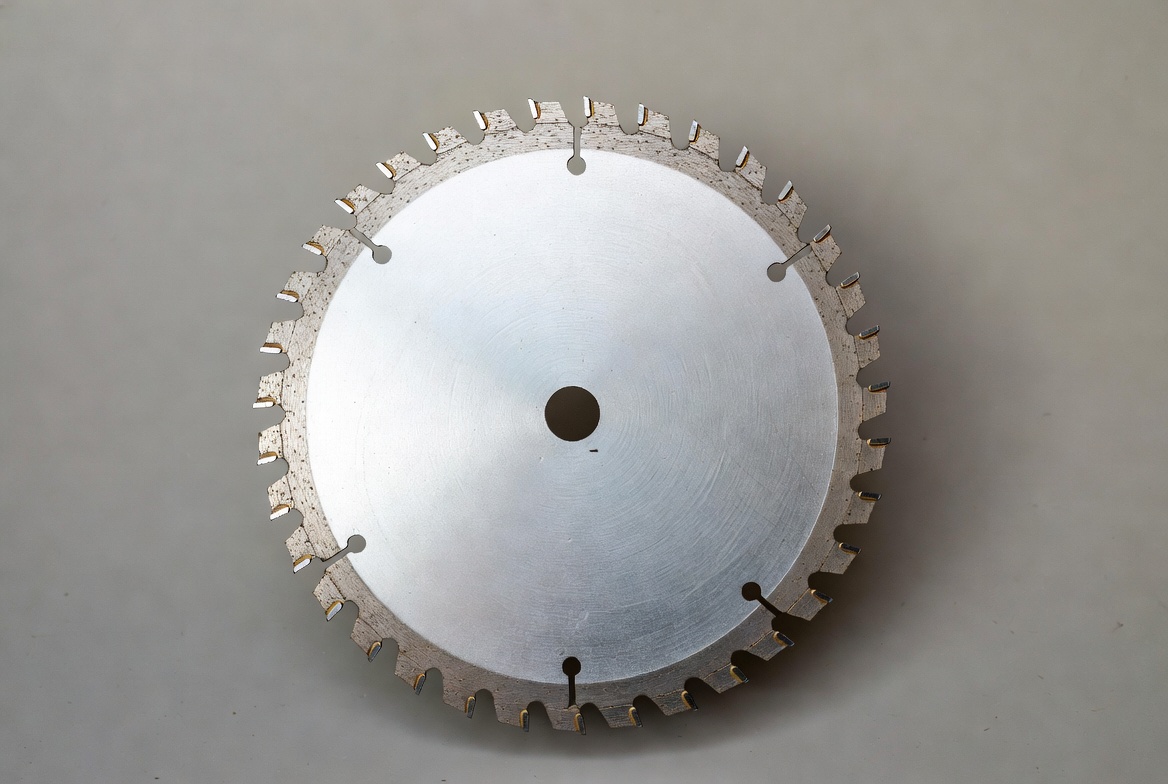
Tungsten Carbide Tipped technology is based on a dual-material concept. Instead of manufacturing the entire blade from a single alloy, engineers combine a hardened carbide cutting edge with a resilient steel body. This separation of functions allows each material to contribute its natural strengths.
Tungsten carbide is formed by bonding tungsten and carbon under controlled conditions, resulting in a compound with high hardness and notable resistance to abrasive wear. This hardness allows the cutting edge to maintain its geometry even when exposed to demanding materials such as hardwood, composite panels, and laminated boards.
The supporting steel body, on the other hand, provides flexibility and structural stability. It absorbs vibration, accommodates rotational stress, and reduces the likelihood of sudden fracture under dynamic load. By integrating these two components, the blade achieves a balanced mechanical profile suitable for continuous operation.
Wear resistance is not simply a function of hardness. It is the result of several interacting factors including material composition, microstructure, edge geometry, and thermal behavior during cutting.
Carbide tips exhibit a dense microstructure that resists abrasive particles generated during cutting. When the blade contacts material containing adhesives, fillers, or mineral components, the cutting edge is exposed to micro-abrasion. The hardness of carbide slows this process, helping preserve sharpness over longer cutting cycles.
Heat management also contributes to wear resistance. During cutting, friction generates localized temperature increases. The joint between the carbide tip and the steel body must maintain structural integrity despite repeated heating and cooling cycles. Controlled brazing techniques and stress-relief processes reduce the risk of separation or micro-cracking at the interface.
Additionally, carefully engineered tooth geometry distributes cutting force more evenly. Proper rake angles, gullet spacing, and tip shaping reduce stress concentration at a single point. This structural balance supports stable wear patterns rather than irregular edge degradation.
A deeper examination of blade construction reveals how small design decisions influence performance outcomes.
Each tooth is shaped to achieve a specific cutting behavior. Alternate top bevel designs, flat-top configurations, or combination patterns are selected depending on intended materials. Edge preparation processes, including fine grinding and micro-finishing, influence how smoothly the blade enters the workpiece and how chips are evacuated.
A refined cutting edge reduces friction and vibration, which indirectly contributes to extended service intervals. Even slight improvements in balance and geometry can influence overall user experience during prolonged operation.
The bonding process between carbide and steel is central to durability. Uniform heat distribution during brazing helps prevent residual stress that could weaken the joint. Post-bond inspection ensures alignment accuracy so that each tooth operates under consistent load conditions.
Stable attachment not only enhances structural reliability but also supports predictable maintenance planning. When a blade performs consistently, users can schedule sharpening or servicing based on observed wear rather than unexpected failure.
The steel body undergoes tensioning procedures that optimize flatness during rotation. Controlled tensioning reduces distortion at high speeds and helps maintain straight cutting lines. In certain designs, expansion slots are incorporated to manage thermal expansion and reduce operational noise.
These features do not change the fundamental carbide concept, but they enhance overall performance stability, especially in demanding workshop conditions.
In woodworking and light industrial processing, tool selection directly influences workflow stability, maintenance planning, and long-term operating costs. Among the available options, the TCT Circular Saw Blade has become widely discussed due to its structural design and material composition. To better understand its position in the market, it is helpful to compare this type of blade with conventional high-speed steel (HSS) blades across four essential dimensions: durability, cutting efficiency, service life, and cost-effectiveness.
| Comparison Dimension | TCT Blade Characteristics | HSS Blade Characteristics |
|---|---|---|
| Structural Composition | Carbide tips attached to steel body, separating cutting edge from support structure | Single alloy construction integrating cutting edge and body |
| Durability in Abrasive Materials | Maintains edge geometry under composite and resin-rich materials | Edge wear accelerates under abrasive or filler-containing materials |
| Cutting Efficiency | Stable tooth profile supports consistent feed and surface finish | Gradual dulling may increase resistance over time |
| Heat Tolerance | Carbide retains structural stability at elevated temperatures | Heat buildup can influence edge deformation |
The primary distinction lies in material structure. A TCT blade incorporates tungsten carbide tips attached to a steel body. This configuration separates the cutting interface from the supporting structure. Tungsten carbide is characterized by high hardness and resistance to abrasive wear, while the steel base absorbs mechanical stress and rotational force.
By contrast, an HSS blade is manufactured from a single alloy that balances hardness and toughness within one material. This integrated structure offers resilience and flexibility, but the cutting edge and the body share the same wear characteristics. Under abrasive conditions, the edge of an HSS blade may dull more quickly because it lacks the additional hardness provided by carbide tips.
In demanding environments that involve composite boards, resin-rich wood, or materials containing fillers, the enhanced wear resistance of carbide-tipped teeth allows the cutting edge to maintain its profile longer. Meanwhile, the steel body provides the elasticity required to withstand operational stress. HSS blades remain suitable for applications where impact resistance and ease of reshaping are valued, but under sustained abrasive conditions, their edges tend to lose sharpness sooner.
Cutting efficiency depends on how effectively a blade removes material while maintaining manageable friction levels. Carbide-tipped teeth are ground to defined geometries that hold their shape over repeated use. Because the cutting profile remains consistent for longer periods, feed rates can remain steady, and surface finishes remain uniform across multiple cuts.
With HSS blades, the cutting edge gradually deforms or dulls as friction and heat accumulate. As sharpness decreases, operators may experience increased resistance during cutting, which can influence both surface quality and machine load. Frequent sharpening restores performance but also introduces interruptions to workflow.
Another factor influencing efficiency is heat tolerance. Carbide retains structural stability under elevated temperatures better than standard high-speed steel. When combined with proper tooth design that promotes chip evacuation, heat buildup is moderated, supporting smoother and more predictable cutting behavior.
Service life is not solely determined by hardness; it also depends on how wear progresses and how maintenance is managed. A carbide-tipped blade typically exhibits gradual edge wear rather than rapid deformation. This predictable pattern allows workshops to plan maintenance cycles in advance, reducing unexpected downtime.
Repair approaches differ between the two blade types. HSS blades can be resharpened more easily using in-house equipment. However, each sharpening session removes material from the tooth, gradually altering geometry and reducing overall tooth height. Over time, repeated reshaping may limit performance consistency.
In contrast, carbide-tipped blades may require professional re-tipping or specialized sharpening when the edge becomes excessively worn or chipped. Although this process involves external servicing, the interval between maintenance sessions is generally longer under comparable usage conditions. For workshops focused on minimizing workflow interruptions, this extended stability can be advantageous.
In the evolving world of professional woodworking, tool selection reflects the balance between performance, cost, and the practical demands of daily work. Among the many tools on a craftsman's bench, saw blades play an essential role in determining cut quality and workflow efficiency. Increasingly, seasoned woodworkers are opting for the FandDa TCT Circular Saw Blade when outfitting their table saws, miter saws, and panel saws. This shift is not accidental. It arises from observable developments in market expectations, changes in professional preferences, and an appreciation for attributes that contribute to a dependable woodworking environment.
In professional woodworking, the selection of cutting tools is shaped by a combination of practical experience, material demands, economic considerations, and shared professional understanding. Tools that deliver consistent results, maintain edge life under varied conditions, and align with workflow priorities are noticed by professionals who evaluate them through lived experience rather than abstract claims.
 4008-253-777
Industrial Zone, Furong Town, Yueqing City, Zhejiang Province, China


+86-0577-62298888
+86-0577-62299999

+86-0577-62295777
+86-0577-62297777
Copyright © Fangda Holding Co., Ltd. All Rights Reserved
Metal Drill Bit Sets Suppliers
