



Industry News
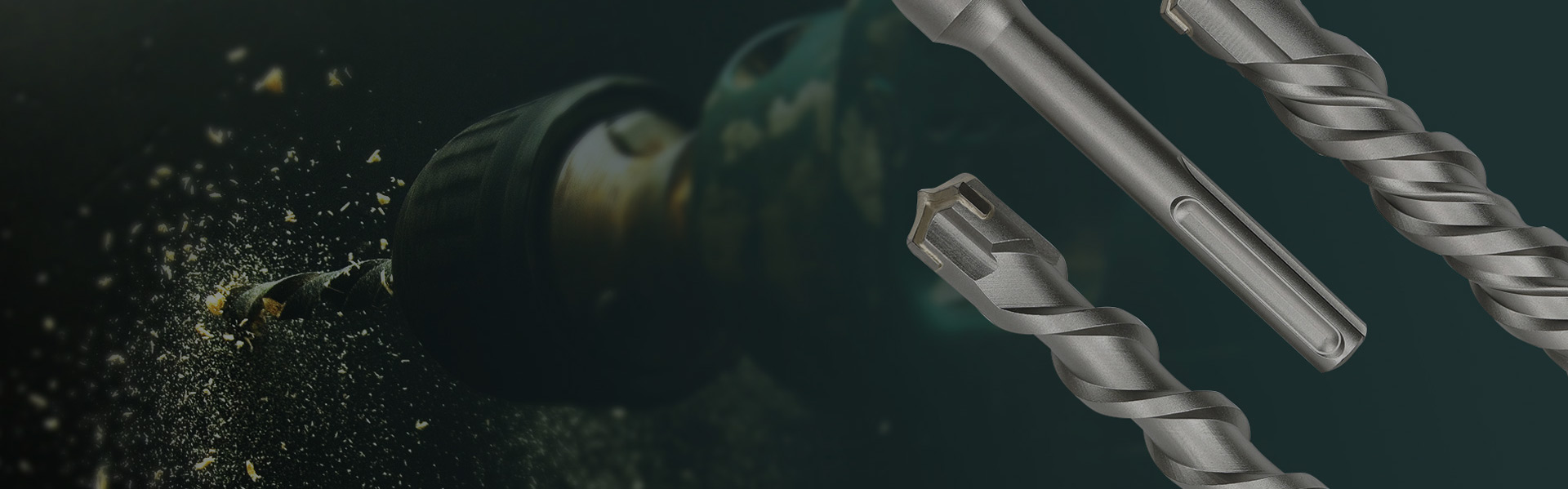
When professionals and hobbyists consider the tools that make circular openings neat and efficient, a particular circular cutting accessory often attracts attention.
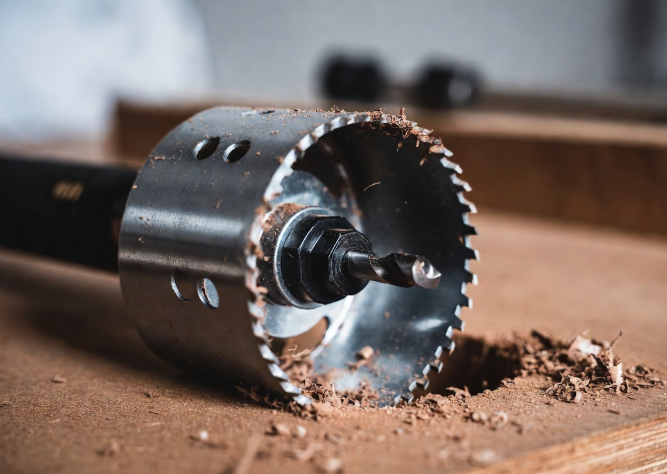
A circular cutting accessory is a suspended ring of cutting teeth attached to a mandrel that mounts on a drill. Its basic purpose is to remove a cylindrical piece of material to leave a round hole. The device converts rotational power into an efficient coring action: as the ring turns, its teeth engage the workpiece and shear away material along a circular path while leaving the central slug intact or easily removed. Compared with drilling multiple smaller holes or chiseling by hand, this method is typically chosen for its ability to produce cleaner holes with less effort and reduced finish work.
Design elements vary across models, but several components are common. The cutting ring itself is the heart of the accessory; manufacturers may use different alloys or manufacturing methods to influence wear resistance and toughness. The arbor or mandrel secures the ring and provides the interface to the drill; many arbors include pilot bits that help position the cut and prevent wandering as cutting begins. Some systems allow quick changes between ring sizes or include mechanisms to eject the slug after cutting. These practical touches affect how easily a person can switch tasks and maintain workflow on the job.
Material compatibility is an important consideration. Different cutting ring constructions are intended for specific materials such as softwoods, engineered wood products, drywall, plastics, or various metals. Selecting the right ring geometry and edge type for the target material helps reduce heat buildup and minimizes undue wear. In mixed-material settings, operators can adapt by choosing rings intended for the most demanding surface they will cut or by using appropriate lubricants and reduced feed rates to protect the tool and the workpiece.
Application contexts range from routine home improvements to trade-specific installations. Electricians, plumbers, and cabinetmakers often rely on circular cutting accessories to create openings for conduit, piping, or fixtures. In renovation work, a properly executed circular cut can streamline the installation of lighting, ventilation, or cable management systems. For hobbyists engaged in woodworking or model-making, the ability to produce repeatable round openings with smooth edges can save time and support cleaner joins and fittings. The device's value lies in its adaptability across a variety of tasks where round openings are required.
In settings where round openings are a routine part of the task—whether in construction, mechanical work, or hands-on fabrication—the choice of a coring tool affects workflow, finish quality, and long-term operating costs.
At the core of each system is the same basic idea: a cylindrical cutter attached to a drill or power driver removes a plug of material to leave a circular hole. However, differences in assembly, material choices, and ancillary features influence how each tool performs in specific conditions. The modern design under discussion departs from older patterns in several deliberate ways: modularity of components, attention to slug removal, and options for interchanging arbor systems without tools. By contrast, many traditional assemblies emphasize simplicity of manufacture and a single-piece interaction between ring and arbor.
Materials and tooth geometry shape how the cut proceeds and how long the cutting edge remains serviceable. Contemporary rings may be produced with hybrid metallurgy intended to balance hardness and resistance to shock, and their tooth profiles are often tailored for particular substrates. Older rings tend to use single-alloy constructions and more generalized tooth angles that perform adequately across common woods and soft plastics but may require more cautious feed rates when used on denser or abrasive materials. For mixed-material jobs, users report that matching the ring type to the hardest material present helps reduce heat generation and preserves edge life.
Attachment systems are a common point of difference. The newer approach often offers quick-change mechanisms and captive pilot bits that facilitate fast size swaps and keep small components in place during transit. Some contemporary arbors include slug-ejection features or slotted designs that make it easier to remove the core after cutting. Traditional arbors usually rely on threaded interfaces and separate pilot drills, which are robust and simple to repair but can slow down a sequence of cuts when operators must switch sizes frequently or clear stuck plugs by hand.
Operational feel and ergonomics matter in prolonged use. Reduced vibration, balanced weight distribution, and the availability of guide pilots influence how comfortably an operator can sustain accurate work over a workday. The newer designs put measurable emphasis on minimizing user fatigue through refined balance and faster changeover; older models remain favored where ruggedness and low replacement cost are primary concerns. In practice, the decision often reflects whether a user values throughput and convenience or prefers a no-frills tool that is easy to service in remote or harsh environments.
Cut quality is conditioned by a combination of tool geometry, drill speed, feed method, and the operator's technique. For fragile or laminated surfaces, starting with a low speed and increasing gradually helps avoid splintering. Pilot bits reduce wandering at the start of a cut and improve center accuracy. When working on metal, appropriate lubrication and reduced feed pressure protect both the cutting edge and the workpiece. These operational habits are equally relevant regardless of the cutter family, but some modern systems include explicit manufacturer guidance intended to simplify these choices for users who may be less experienced.
When a cutting tool is intended to make round openings cleanly and with repeatable results, material choice for the cutting edge shapes performance and lifecycle. Carbide is a common choice for teeth or tips on cutting rings, and its inclusion brings a set of strengths and trade-offs that matter for different users and environments.
Carbide is an engineered material valued for wear resistance compared with many steels used in cutting edges. In applications where abrasive materials or repeated contact with hard substrates are routine, carbide tips tend to retain sharpness longer than softer alternatives. That property influences how often teeth need to be reshaped or components need replacement, and it can affect the rhythm of a job where multiple holes must be produced with consistent edge quality. The trade-off comes from carbide's material nature: it is harder and more brittle than many steels, which means it handles abrasion well but is more vulnerable to shock.
One clear practical benefit is reduced frequency of edge changes in abrasive settings. When cutting through materials that contain fillers, resin, or intermittent reinforcing fibers, carbide tends to withstand abrasive wear and maintain cutting geometry longer than softer alloys. For users whose workflow involves repeated cuts into mixed or demanding substrates, that stability can mean fewer interruptions for sharpening or swapping rings.
Another advantage appears during jobs that require a precise perimeter with minimal finish work. Carbide edges hold a cutting profile that can produce cleaner edges on tougher materials, reducing the need for sanding or trimming after the hole is made. In installations where fit and finish are visible or where mating components must seat flush, a consistent cut edge can reduce rework and alignment adjustments.
Carbide also performs well where heat generation is a concern if cutting speed and feed are managed appropriately. Because a well-retained edge cuts more efficiently, the operator can avoid excessive rubbing and dragging that otherwise raises temperature and accelerates wear.
Carbide's brittleness means it is less tolerant of sudden impacts than some tougher, more ductile alloys. If the cutting action encounters hidden fasteners, nails, or thick inclusions at the start of a cut, carbide teeth can chip. In environments where the workpiece contains unknown embedded materials or where detecting hazards is difficult, operators should adopt slower entry speeds and use pilot guidance to reduce the chance of shock to the teeth.
Another factor is repairability. When the edge of a softer alloy dulls, it is often feasible to regrind the entire ring to restore geometry. Carbide tips, once chipped or fractured, typically require replacement rather than field resharpening. That creates an inventory decision: whether to keep extra carbide rings or to accept downtime when replacement parts are not immediately available. For some maintenance crews and small shops, the simplicity of resharpening a steel ring can outweigh the longer service life of a carbide element.
Cost is also an element to weigh. Carbide components normally carry a higher unit price than comparable rings made solely of softer alloys. The economic balance depends on usage patterns; for heavy, repetitive work on abrasive materials, the longer usable life may offset the upfront cost, while for occasional tasks the additional expense may be harder to justify.
| Comparison Aspect | Carbide-Edged Design | Conventional Steel Design |
|---|---|---|
| Wear Resistance | Maintains cutting edge longer under abrasive materials | May wear faster in abrasive environments |
| Impact Tolerance | More sensitive to sudden impact or embedded objects | Generally more tolerant to shock |
| Edge Retention | Holds cutting geometry consistently over repeated use | Requires more frequent reshaping |
| Repair Method | Typically replaced when chipped | Can often be resharpened |
Selecting whether to use a carbide-edged coring tool depends on the material mix and the working environment. For tasks involving engineered panels, dense composites, or laminated assemblies, carbide's wear resistance becomes relevant. For work in demolition zones, salvage sites, or older structures with unpredictable embedded items, a cautious approach is advisable: consider using pilot drilling, protective barriers, or starting with a sacrificial ring to profile the cut before committing a carbide unit.
Operators can also combine choices within a toolkit. Retaining rings of different materials and geometries enables rapid adaptation to changing on-site conditions. In practice, many crews choose carbide for defined production runs on uniform materials and softer alternatives for exploratory or uncertain cuts.
Carbide presents a distinctive set of attributes for coring tools: notable resistance to abrasive wear paired with a vulnerability to shock and a need for considered maintenance and handling. The decision to use carbide edges depends on the specific mix of materials, the predictability of the work environment, and the maintenance resources available. By balancing these considerations and adopting careful operational practices, users can align expected performance with practical outcomes and choose the tool configuration that fits the demands of each project.
 4008-253-777
Industrial Zone, Furong Town, Yueqing City, Zhejiang Province, China


+86-0577-62298888
+86-0577-62299999

+86-0577-62295777
+86-0577-62297777
Copyright © Fangda Holding Co., Ltd. All Rights Reserved
Metal Drill Bit Sets Suppliers
