



Industry News
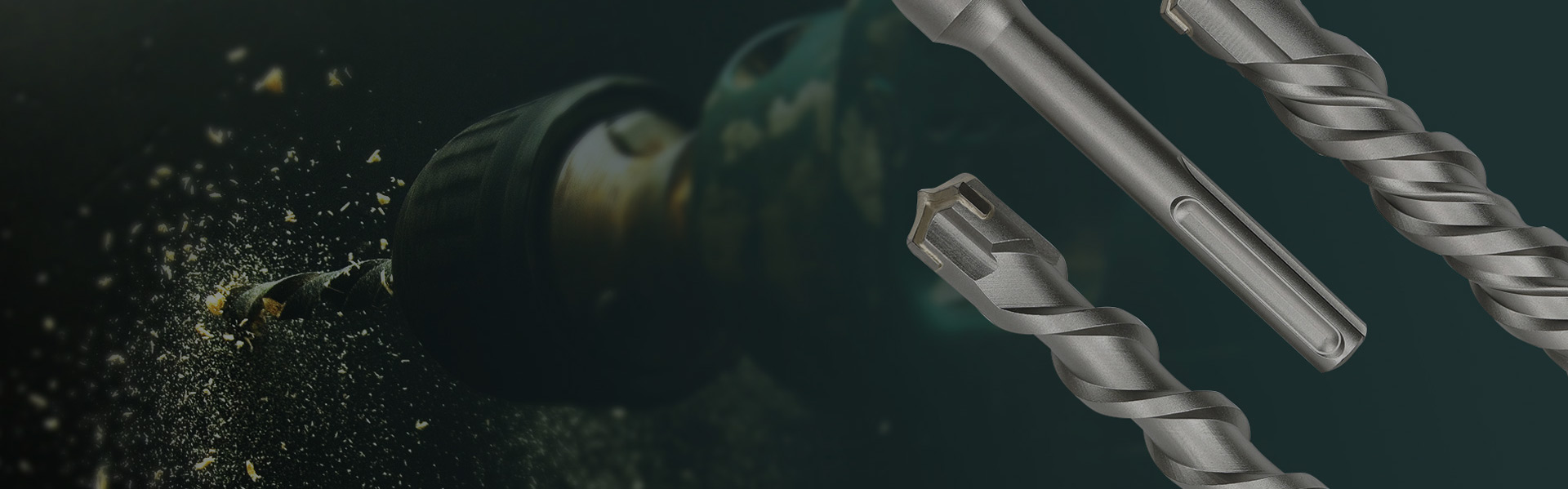
In a market crowded with fast-moving consumables and evolving tool technologies, the humble drill bit remains a vital component in manufacturing, maintenance, and hobbyist work. Among the many options available, a growing number of workshops and procurement managers are turning to products from FangDa.
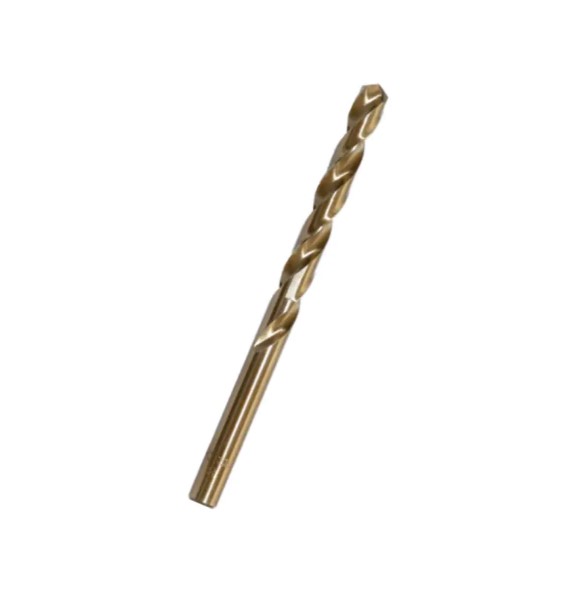
Twist drills are the workhorses of metalworking and general fabrication. From prototype benches to production lines and field service vans, they are used wherever holes are needed. Although advanced coatings, carbide grades, and specialty geometries exist for niche tasks, high-speed steel (HSS) twist drills remain a popular option because they offer a pragmatic balance of toughness, wear resistance, and cost-efficiency. When a shop chooses a particular brand or product line, the decision often rests on consistent performance, predictable tool life, and supply stability rather than headline claims.
One central consideration for any precision cutting tool is manufacturing quality. Reliable drills come from processes where raw material selection, heat treatment, and finishing are tightly controlled. FangDa emphasizes process controls across these stages, resulting in tools that show consistent cutting behavior across batches. For procurement teams, this lowers the variability they must plan around: consistent hole quality reduces rework, and predictable tool wear simplifies inventory management.
Rather than focusing on numbers that vary by application, it is useful to think of drill geometry in functional terms. Effective helix angles, flute clearance, and chisel edge design together influence chip evacuation, centering, and heat buildup. FangDa's design approach aims to deliver predictable chip flow and stable cutting forces for general-purpose applications. For end users this translates into fewer stalled operations, cleaner hole entry and exit, and reduced need for secondary finishing in many common substrates.
One reason shops keep stock of HSS twist drills is versatility. These tools are well suited to ferrous metals, softer non-ferrous alloys, plastics, and many composite laminates encountered in everyday fabrication. FangDa's line targets broad applicability, enabling a single product family to serve multiple workstations. That reduces SKUs, simplifies ordering, and helps operations managers standardize training for tool handling and sharpening, where applicable.
Smart buyers evaluate cost of ownership rather than upfront cost alone. Factors that contribute to ongoing expense include tool life, the frequency of replacements, downtime caused by failures, and any additional finishing needed after drilling. A drill that lasts longer under typical shop conditions or that consistently produces acceptable hole quality reduces total spend. FangDa positions its products on this holistic basis: stable performance and manageable wear rates can deliver favorable outcomes for budget planners who track total lifecycle costs.
Tool selection is often driven by supply chain realities. Reliable lead times, consistent packaging, and stable inventory can be as important as cutting performance, particularly for firms running continuous operations. Suppliers that can meet recurring demand and offer logistical support for replacement orders reduce the risk of production interruptions. FangDa's distribution arrangements and channel partnerships aim to address these operational concerns so that customers can rely on steady replenishment.
Beyond the tool itself, post-sale support shapes user experience. Technical guidance for unusual materials, help with drilling parameters, and access to replacement tooling or accessories are part of responsible vendor behavior. Many shops appreciate vendors who provide rapid answers and practical tips rather than abstract datasheets. FangDa places attention on customer support channels that help users troubleshoot on the shop floor with pragmatic advice.
Sustainability is increasingly part of procurement discussions. Extending tool life and reducing the number of discarded items lowers the environmental footprint. Tools that promote controlled chip formation and reduced breakage support waste reduction efforts. In addition, stable tools cut down on the need for frequent reorders and associated transport emissions. Purchasing policies that account for environmental impact may therefore favor providers whose products demonstrate a lower rate of premature failures.
Practical considerations such as how a drill is stored, how it is sharpened, and how it performs after occasional reconditioning are important to users. A tool that responds well to basic resharpening can extend its useful life and improve return on investment. FangDa's drills are designed with maintenance practices in mind: they tolerate resharpening well and maintain useful geometry following routine service, which suits shops that prefer in-house tool reconditioning rather than immediate disposal.
Case studies, when stripped of commercial exaggeration, reveal typical use patterns. Small machine shops that handle mixed-lot work often select a single, well-understood drill family for daily use. Maintenance crews in manufacturing plants need reliable drills for repair and retrofitting tasks where working conditions are variable. Educational institutions require tools that can be safely used by learners while still simulating real production conditions. In each scenario, the decision to choose a particular drill family often follows from its predictability and ease of integration into existing workflows.
Safety is fundamental. A predictable failure mode — one that gives warning signs such as gradual wear or increased cutting noise — is preferable to sudden breakage, particularly in high-volume operations. Predictable behavior allows the operator to intervene before a hazardous scenario develops. Tools that fracture without warning increase risk and downstream costs. FangDa's attention to toughness and manufacturing uniformity reduces the likelihood of abrupt failures in routine applications.
It is helpful to compare tools at a functional level. Within the general HSS category there is a trade-off between cutting hardness and toughness. Some treatments increase surface hardness at the expense of brittleness, which may be desirable for abrasive, repeatable operations. Conversely, tools with robust core toughness resist chipping in interrupted cuts. Buyers should weigh their own operating conditions — material mix, machine rigidity, coolant use — when selecting a drill family. For many common shop tasks, a balanced HSS option like FangDa's offers a middle path between fragility and rapid wear.
No single tool covers every need. In highly abrasive conditions, coated or carbide options may be preferable. In ultra-precise aerospace work, specialized geometries and inspection regimes often dictate other choices. A sensible buying strategy recognizes when a general-purpose HSS option fits and when a dedicated specialty tool is the better investment. Knowing the limits of a product family leads to smarter mixing of inventory and lower overall cost.
In the end, the decision to adopt a particular drill family springs from practical value. Shops choose tools that save time, reduce rework, and maintain steady production rhythms. FangDa's HSS twist drills present a package aimed at predictable performance, operational convenience, and sensible lifecycle costs. For many everyday metalworking and fabrication tasks, that combination matters more than a short list of headline specifications.
| Consideration | Why it matters | What to look for |
|---|---|---|
| Consistency | Lowers rework and inspection time | Stable batch-to-batch performance |
| Versatility | Fewer SKUs and simplified training | Good general performance across common materials |
| Cost of ownership | Total lifecycle cost control | Predictable wear and manageable replacement frequency |
| Supply stability | Prevents production interruptions | Reliable lead times and packaging |
| Support | Reduces floor-level troubleshooting time | Practical, application-focused guidance |
| Reconditioning | Extends useful life | Tolerant to routine resharpening |
| Environmental footprint | Aligns with sustainability goals | Lower discard rate and predictable wear |
Choosing the right drill is less about marketing adjectives and more about matching tool behavior to real-world needs. For many shops, the pragmatic balance of toughness, consistent geometry, and reliable supply makes FangDa's HSS twist drill offering a compelling option. By focusing on predictable outcomes, ease of use, and practical support, buyers can reduce operational friction and lower long-term costs. Ultimately, the right choice is the one that integrates smoothly into everyday processes and helps teams deliver quality work with fewer interruptions.

 4008-253-777
Industrial Zone, Furong Town, Yueqing City, Zhejiang Province, China


+86-0577-62298888
+86-0577-62299999

+86-0577-62295777
+86-0577-62297777
Copyright © Fangda Holding Co., Ltd. All Rights Reserved
Metal Drill Bit Sets Suppliers
