
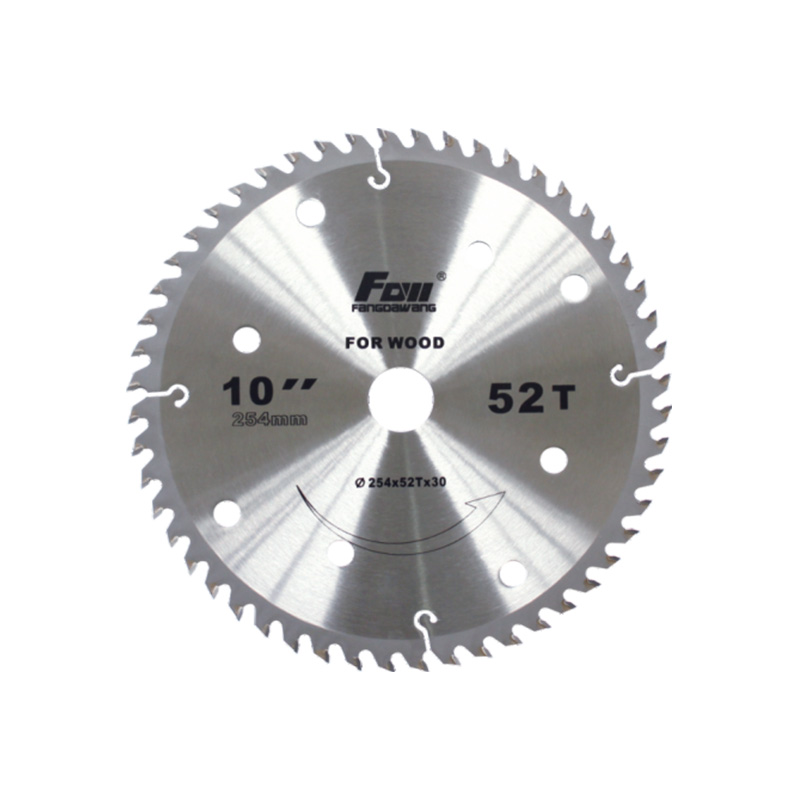
RPM: 80m/s
Application: Rip Saws
Teeth Type: ATB
Suitable For Cutting: Soft Wood, Solid Wood, Wood With Knots, Worn Wood With Nails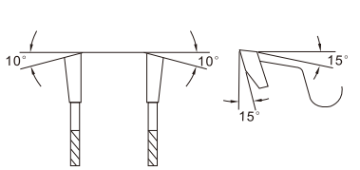
Strengthened Multi-Ripping Circular Saw Blades
Built for the demands of multi-rip machines with one or two shafts, these strengthened blades feature a high-tensile steel body that's thicker than usual to resist bending during long runs. The precision laser-cut design includes anti-kickback shoulders and copper-plugged slots for better thermal control, keeping things stable even in extreme conditions.
High-density carbide tips in a flat configuration work with rakers to clear chips fast and avoid plate contact with the wood, which means smoother rips and less tear-out on knotty stock. Positive hook angles let you push aggressive feed rates without the machine bogging down, and the large gullets handle sawdust buildup easily.
Pros pick these for their extended edge retention, lower power draw, and reliable output across shifts. Whether ripping beams for construction or panels for cabinets, they deliver straight, glue-ready edges that cut down on extra processing steps.
| MULTIRIPPING SAWBLADES(STRENGTHEN) | |||
| Diam | Kerf | Id | Teeth |
| 254 | 3.2 | 30 | 40 |
| 254 | 3.2 | 30 | 52 |






Woodworking genuinely involves a lot more than just chopping a piece of timber d...
Metalworking often depends on small cutting tools that perform very specific job...
Try cutting a clean, round hole through a steel plate with the wrong tool, and y...
Ask any carpenter who's spent a day swinging a hammer versus a day running a pne...
Why does my saw blade start drifting during long ripping runs?
Blade drift is often caused by heat buildup and plate deformation. The strengthened steel body and laser-cut structure help maintain stability and reduce deflection during continuous operation.
How can I prevent tear-out when cutting knotty or uneven timber?
High-density carbide tips combined with raker design help clear chips efficiently, reducing fiber pull-out and improving edge quality on knotty wood.
Why does my machine struggle when feeding timber at higher speeds?
Poor chip evacuation or incorrect hook angle can overload the machine. Positive hook geometry helps maintain smooth feed rates with less motor strain.
Can this blade handle continuous industrial multi-shift use?
Yes. The thickened high-tensile steel body and reinforced structure are designed for long production cycles and reduced downtime in industrial environments.
Why do blades overheat and lose sharpness too quickly in multi-rip machines?
Insufficient cooling and chip blockage increase friction. Copper-plugged slots and large gullets help improve heat control and chip evacuation.
How can I achieve glue-ready edges without extra sanding?
Precision carbide alignment and stable cutting geometry help produce smoother rip cuts, reducing the need for secondary finishing operations.
What causes excessive power consumption during ripping operations?
High friction from poor chip clearance or dull cutting edges increases load. Optimized gullets and sharp carbide tips help reduce power draw.
Can this blade maintain performance in resin-rich or wet timber?
Yes. The anti-kickback shoulders and chip-clearing design help maintain cutting stability even in challenging wood conditions.
Why do some blades cause vibration at high RPM in multi-rip machines?
Imbalance or weak blade plates can cause vibration. The strengthened laser-cut body improves rigidity and reduces operational instability.
How does this blade improve production efficiency in sawmills or workshops?
Stable multi-rip performance, reduced downtime, and fewer finishing steps help increase throughput and improve overall production efficiency.

Industrial Zone, Furong Town, Yueqing City, Zhejiang Province, China


+86-0577-62298888
+86-0577-62299999

+86-0577-62295777
+86-0577-62297777
Copyright © Fangda Holding Co., Ltd. All Rights Reserved
Metal Drill Bit Sets Suppliers