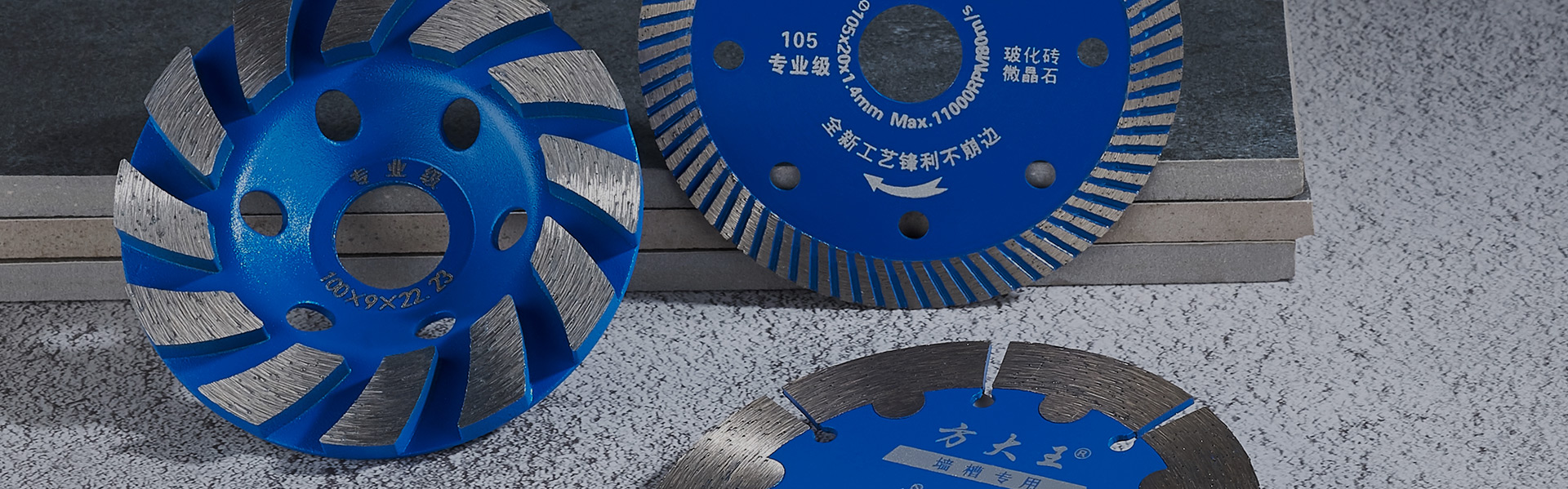
Suitable For Cutting Various Hard Processed Stone, Non-Metallic Materials.
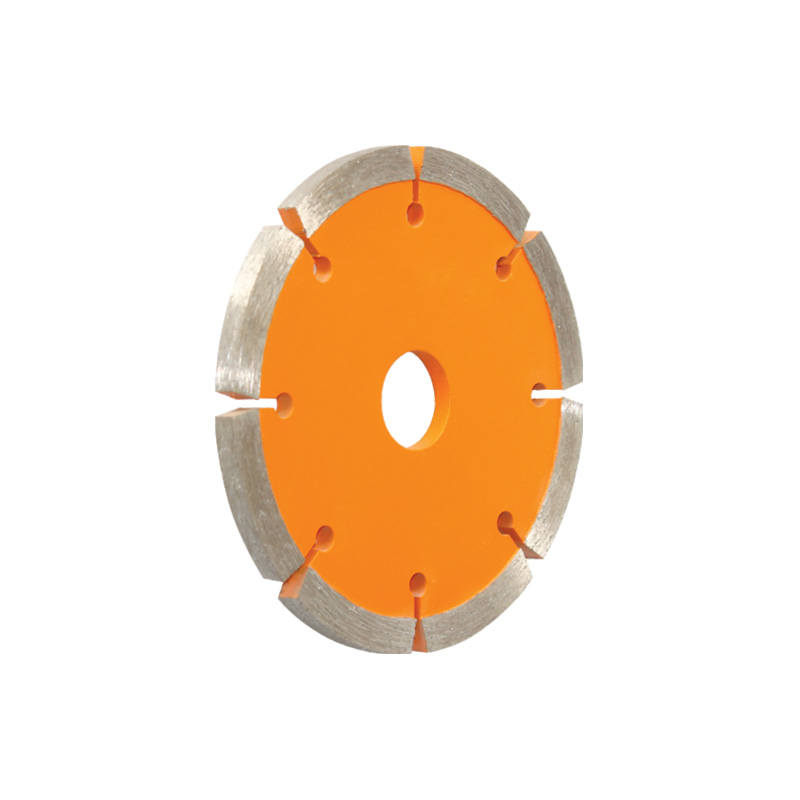
The Fangda Tuck Point Diamond Cutting Saw Blade is engineered for precision and high performance, making it the ideal solution for cutting various hard processed stone and non-metallic materials. Whether you're tackling masonry, concrete, or other challenging materials, this saw blade guarantees clean and accurate cuts, ensuring professional results every time.
Key Features:
Precision Tuck Pointing: Designed specifically for tuck pointing and joint cleaning, this saw blade delivers accurate cuts with minimal effort, making it the perfect tool for masonry and restoration projects.
Durability: Constructed with high-quality diamond segments, the blade provides extended wear life, offering superior cutting performance over traditional blades.
Efficient Cutting: The blade's consistent cutting depth ensures quick and precise cuts through tough materials, such as brick, concrete, and stone, with reduced vibration and noise.
Versatility: Available in various sizes (100mm to 230mm), this blade is suitable for different cutting machines, including angle grinders and masonry saws.
Optimized for Dry Cutting: This saw blade is designed for dry cutting applications, making it the go-to choice for professionals who need effective cutting without the need for water cooling.
Low Dust Production: The dry cutting feature helps reduce dust production, keeping work environments cleaner and safer without compromising on performance.
Applications:
Tuck pointing, joint cleaning, and restoration of brick and stone surfaces
Dry cutting of concrete, stone, and masonry materials
Ideal for use in construction, renovation, and repair projects
| Diam. | Id | Size |
| 100 | 16/20 | 36×6×7.5 |
| 115 | 16/20 | 36×6×7.5 |
| 125 | 20/22.23 | 36×6×7.5 |
| 150 | 20/22.23 | 36×6×7.5 |
| 180 | 20/22.23 | 36×6×7.5 |
| 200 | 20/22.23 | 36×6×7.5 |
| 230 | 20/22.23 | 36×6×7.5 |






Woodworking's been changing pretty steadily as customers pay closer attention to...
Demand for customized cutting tools has been climbing across a lot of manufactur...
Choosing the right router bit is a common consideration in woodworking productio...
In woodworking, the final appearance of a product is often decided by small deta...
How can this blade help reduce labor time on tuck pointing projects?
The blade is engineered for fast mortar joint removal and cleaning, allowing operators to complete more linear feet of work in less time, helping improve overall jobsite productivity.
Will the blade maintain a consistent groove width throughout the project?
Yes. The precision-engineered segment design helps maintain uniform cutting width and depth, supporting cleaner mortar removal and a more professional finished appearance.
Is this blade suitable for restoration work on historic brick buildings?
Yes. The blade is designed for controlled mortar removal, making it suitable for restoration projects where preserving surrounding brickwork is important.
Can the blade handle continuous daily use on commercial jobsites?
The diamond segments are built for demanding applications and frequent use, helping contractors minimize downtime caused by blade changes.
What makes this blade more cost-effective than abrasive wheels?
Diamond segments typically provide a longer service life and more consistent cutting performance, reducing replacement frequency and lowering operating costs over time.
Does the blade cut smoothly through both old and newly cured mortar?
Yes. The blade is designed to perform on a variety of mortar conditions, making it suitable for renovation, repair, and new construction applications.
How does the blade perform when working in confined spaces?
Its compatibility with handheld angle grinders makes it practical for accessing narrow joints, corners, and difficult-to-reach masonry areas.
Can distributors request different blade sizes for different market demands?
Yes. Multiple diameters ranging from 100mm to 230mm are available to meet the requirements of various users and equipment types.
What problems can occur if an incorrect tuck point blade is used?
Using an unsuitable blade may lead to uneven joint cleaning, excessive vibration, poor cutting efficiency, faster wear, and potential damage to surrounding masonry materials.
How can this blade improve jobsite cleanliness during dry cutting?
The blade is designed to cut efficiently while helping limit unnecessary material breakage, which can contribute to better dust management when used with appropriate dust extraction systems.

Industrial Zone, Furong Town, Yueqing City, Zhejiang Province, China


+86-0577-62298888
+86-0577-62299999

+86-0577-62295777
+86-0577-62297777
Copyright © Fangda Holding Co., Ltd. All Rights Reserved
Metal Drill Bit Sets Suppliers